Nov. 16, 2026 | Vince Lara-Cinisomo
The opportunity to work directly with faculty and students made the position appealing
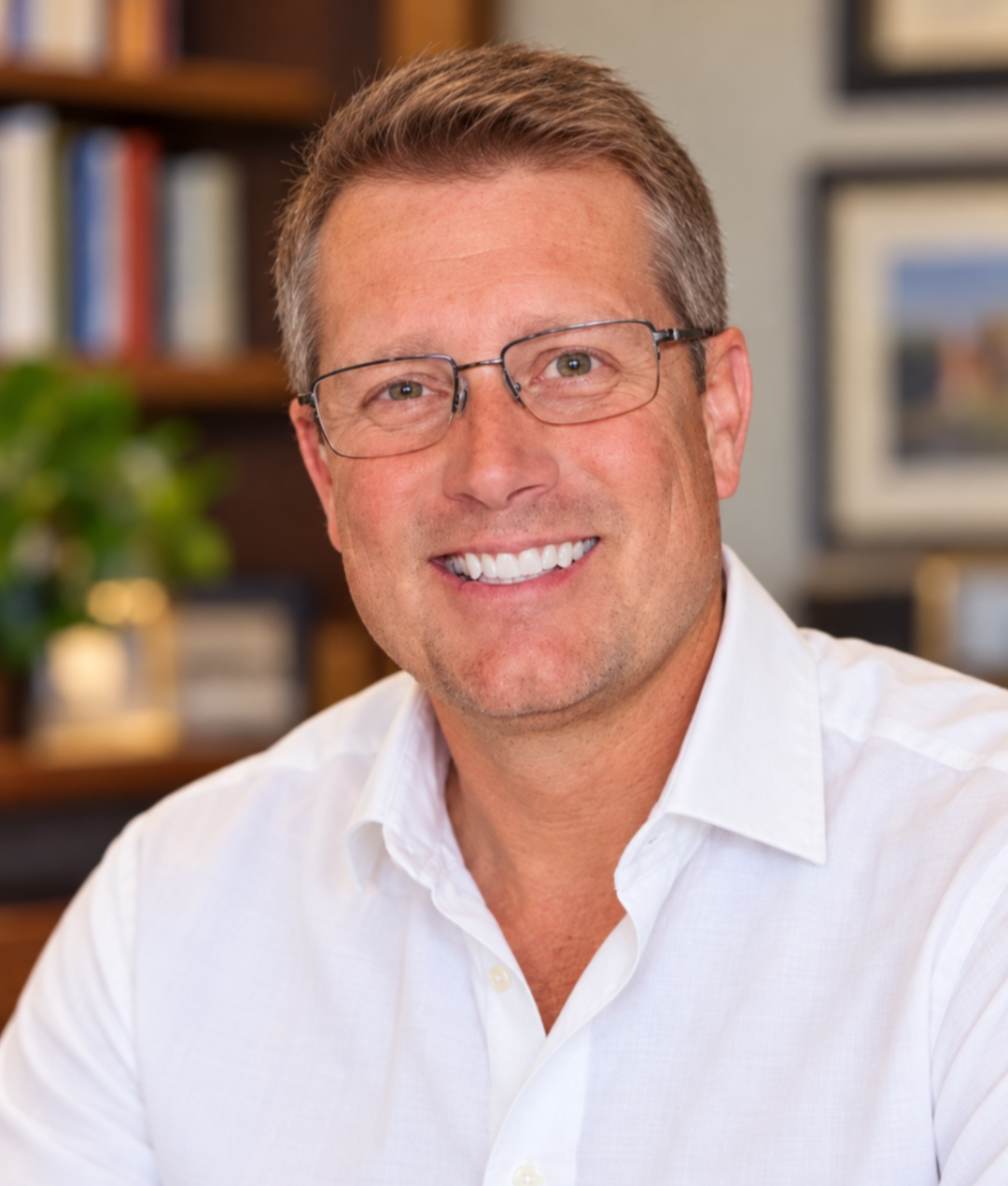
Ryan Gower spent 13 years in leadership positions helping shape how colleges serve students. As chancellor of Illinois Eastern Community Colleges, that meant setting a vision, building a team and trusting others to carry out the work.
Now, back at the University of Illinois Urbana-Champaign, he is looking forward to a more immediate connection with the people behind those plans.
“I missed the students,” he said.
Gower has returned to the College of Applied Health Sciences as assistant director of online graduate programs and teaching faculty in the Department of Recreation, Sport and Tourism. A former RST faculty member and AHS associate dean, he brings experience that spans classrooms, college administration and leadership of an open-access community college system.
His new responsibilities include enrollment management, marketing and recruitment for RST’s online programs. But his approach to that work extends well beyond getting prospective students to apply.
“I spent the first 20 years of my professional career at Illinois, so the Department of Recreation, Sport and Tourism has always felt like home,” Gower said.
Familiar colleagues and a connection to the university helped draw him back. The opportunity to work directly with faculty and students made the position especially appealing.
“We’re thrilled to have Ryan back in RST,” said interim Department Head Toni Liechty. He knows our department and its people, and he brings a depth of leadership experience and a genuine commitment to students that will serve our online M.S. program well. We couldn’t be happier to welcome him home.”
His years away also changed how he understands the task ahead.
At Illinois Eastern, Gower encountered students balancing jobs, family responsibilities and financial pressures. Those obligations shaped whether students could begin college, remain enrolled and complete their education. Limited institutional resources added another challenge.
Earlier in his career, he said, enrollment conversations often revolved around recruiting prospective students, increasing applications and persuading admitted students to enroll. Community college leadership broadened that perspective to encompass the entire student experience.
“So now I understand that recruitment, retention, completion and post-graduation success aren’t separate institutional responsibilities,” he said. “They’re interconnected parts of the promise we make to students when we first meet them.”
I missed the students.”
Ryan Gower
Assistant director of online graduate programs, RSTThat perspective informs his approach to online graduate education, where working professionals must weigh the benefits of further study against demands on their time and money.
Gower sees opportunities to reach recent graduates seeking to apply their undergraduate knowledge in professional settings, along with experienced practitioners preparing for leadership or career advancement. Online delivery makes it possible to connect with those students across the country and potentially beyond.
Reaching them, he said, begins with understanding what they want to accomplish.
A prospective student might need a certificate, a master’s degree or a different educational pathway. Gower wants those conversations to help students find the right fit, with a clear understanding of the investment involved.
He is particularly interested in stackable certificates that faculty have been discussing and developing. Beginning with three courses could give students useful skills and experience with graduate education before they decide whether to pursue additional credentials or a full degree.
For someone uncertain about returning to school, that smaller initial commitment could help build confidence.
His administrative experience also reinforced the importance of coordination. Strong individual courses and effective recruiting efforts accomplish more, he said, when faculty and staff share an understanding of what they want students to achieve.
For Gower, the return offers a chance to connect those experiences: the classroom perspective of a faculty member, the broader responsibilities of an associate dean and a chancellor’s understanding of how institutional decisions affect students pursuing their individual educational goals.
Gower said he has been encouraged by RST faculty members’ efforts to consult professionals and subject matter experts about the skills graduates need and incorporate that feedback into online programs.
He views those exchanges as an expression of the university’s land-grant mission: connecting academic expertise with the needs of communities and professions.
Building those relationships will be central to his work. Employers, professional associations and practitioners could become partners through professional development, opportunities to learn new skills and help addressing challenges in their organizations.
Those connections could also bring professional problems into students’ coursework and create opportunities for faculty research.
Gower sees RST’s interdisciplinary approach as another strength. Recreation, sport and tourism intersect in event operations, facility management and visitor experiences, giving students opportunities to consider how leadership and management principles apply across professional settings.
He is still learning about the programs and reconnecting with colleagues. He also plans to seek input from current students and graduates through focus groups in the spring.
The welcome from former students has already made an impression. After a decade away, he said, hearing from them through social media has been meaningful.
As he settles into the role, his measure of success will include graduates’ professional accomplishments, students’ experiences and the strength of relationships with employers and professional organizations.
Enrollment matters, but he sees it as the result of meeting those responsibilities.
“I’ve always believed that enrollment growth is not the goal,” Gower said. “It’s the symptom of getting things right.”
Editor’s note:
To reach Ryan Gower, email gower@illinois.edu.
Share on social