Inside LIFE Home: Five years of innovation for independent living
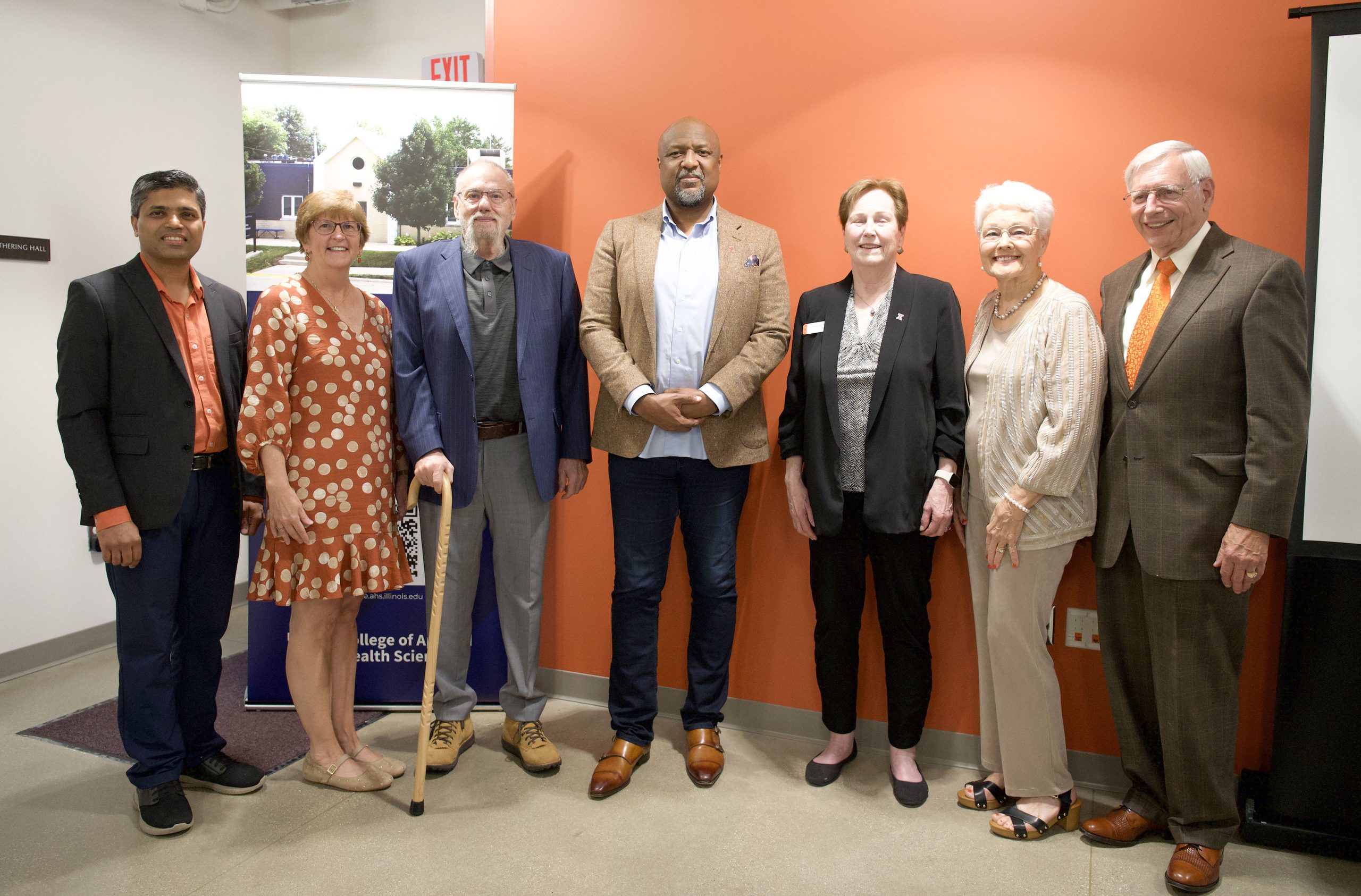
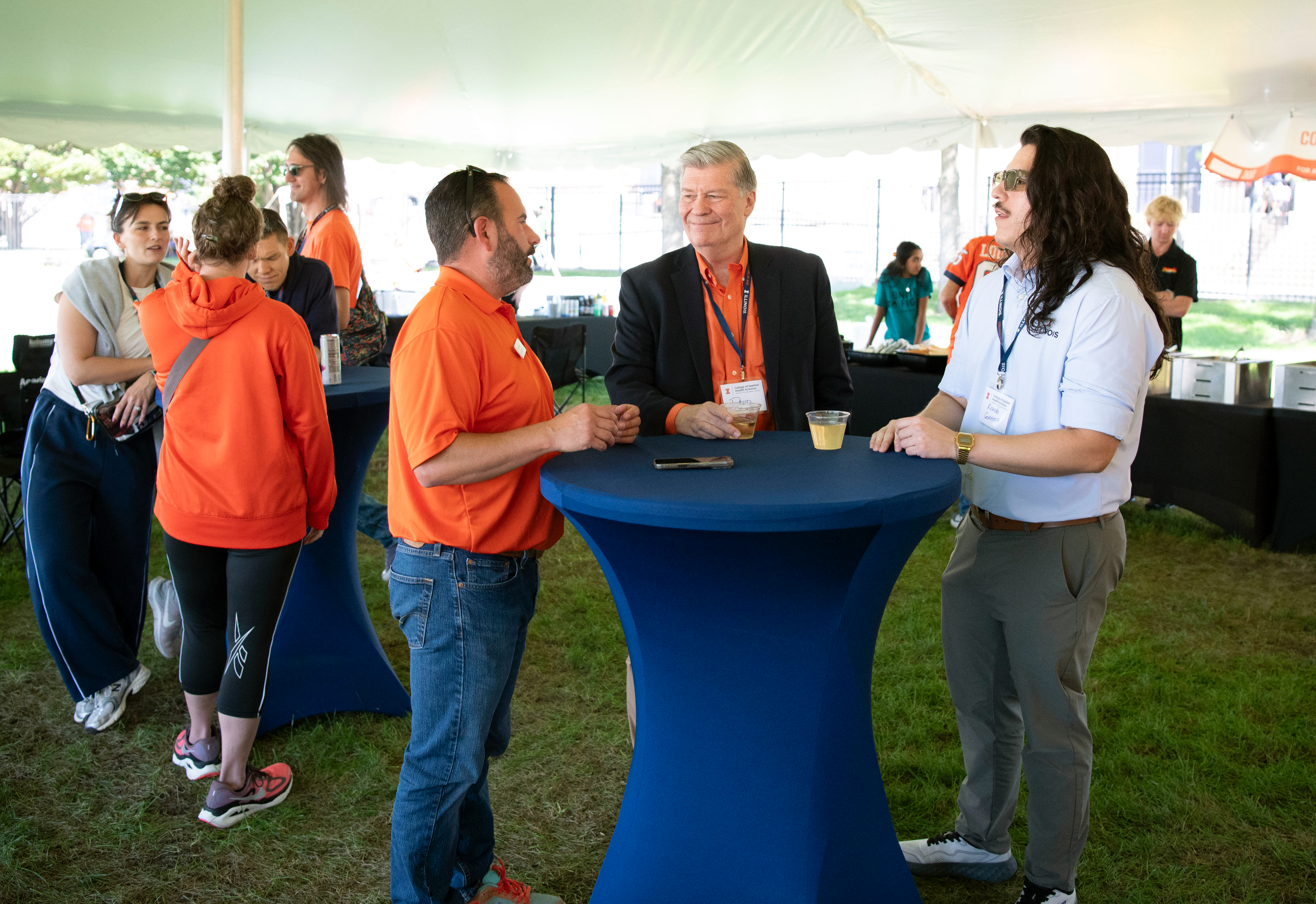
Chancellor Isbell, center, with LIFE Home Director Wendy Rogers, second from left, Dean Cheryl Hanley-Maxwell, right and Karen and Jim McKechnie, lead benefactors of the McKechnie Family LIFE Home (Photo by Bridget Lee-Calfas)
The McKechnie Family LIFE Home at the University of Illinois celebrated its fifth anniversary Oct. 8, marking five years of bringing researchers, students, community members and industry partners together to develop technologies that help people live healthier, more independent lives.
The facility—where LIFE stands for Living in Interactive Future Environments—provides a real-world home environment where research is grounded in everyday experience. By bringing together engineering, health sciences, design and human-centered research, the LIFE Home helps researchers better understand the routines, challenges and aspirations of the people their innovations are intended to serve.
“It is a place where discovery is grounded in everyday experience—where researchers can better understand the routines, challenges and aspirations that shape people’s lives,” said College of Applied Health Sciences Dean Cheryl Hanley-Maxwell during the anniversary celebration.
Over the past five years, the LIFE Home has supported interdisciplinary research in healthy aging, disability, rehabilitation, assistive robotics, smart-home technology and virtual and extended realities. Students learn alongside faculty, community partners and the people whose perspectives help make that research stronger and more relevant.
The work reflects the university’s land-grant mission toward improving lives through research, education and engagement. It also gives students opportunities to see how innovations can address everyday needs and support greater independence, dignity and connection for people of all ages and abilities.
Hanley-Maxwell credited Jim and Karen McKechnie’s generosity and commitment with giving the work a home and creating a lasting foundation for discovery, education and public impact. She also recognized Dan Fisk; Larry Kanfer; other donors and supporters; and Wendy Rogers, Shahid and Ann Carlson Khan Professor of Applied Health Sciences and director of the McKechnie Family LIFE Home, along with the facility’s faculty, staff, students, collaborators and community advisors.
Rogers recalled that the vision for a smart-home research facility began when then-Dean Tanya Gallagher hired her. Hanley-Maxwell later embraced the idea, and the McKechnies’ support enabled the team to expand the original plan.
“This is an amazing facility,” Rogers said. “And it is an amazing community that has contributed to its success.”
Rogers also recognized Fisk for sponsoring a named room and establishing a research fund, Larry and Alaina Kanfer for donating photographs that make the facility feel more like a home, and Walt and Sue Schneider for supporting research on in-home mobility for older adults.
She credited Harshal Mahajan with helping develop the LIFE Home from before the building existed and throughout its first five years. Mahajan prepared a video highlighting the facility’s activities during that period.
Rogers thanked postdoctoral associate Shafiqul Islam, who oversees the facility’s technology and supervises interns,; and operations coordinator Yvona Vlach, who works with clients, campus offices and the public. She also recognized building service worker Leonard Mcfarland for the daily care that keeps the facility ready for research and events.
The anniversary is an opportunity to build on that foundation. Continued philanthropic and institutional support—along with new partnerships—could advance research and strengthen collaboration across the university and broader community. Rogers said the LIFE Home’s mission aligns with the university’s priorities in people-first technological transformation, health and well-being, preparing future leaders and serving the public.
“As proud as we are of these first five years, today is not simply a look back,” Hanley-Maxwell said. “It is an invitation to imagine what comes next: smarter and more accessible homes; more inclusive technologies; stronger community partnerships; and new solutions that help people of all ages and abilities live with greater independence, dignity and connection.”
Rogers agreed, saying, “Together, we will lead the way in improving quality of life and independence for people of all ages and abilities through technology.”
Brasillinois spans the system’s universities in Urbana-Champaign, Chicago and Springfield. Its broad priorities include climate and sustainability, global health, and democracy and inclusion.
Photo by caption
For Pedro Hallal, the distance between Illinois and Brazil shrinks when he considers who gets the chance to live a long, healthy life.
In Brazil, he sees gaps in life expectancy between rich and poor. In Illinois, he sees similar disparities associated with ZIP codes. The settings differ, but the questions give researchers common ground: Who is being left behind, and what would help?
Those questions help explain why the Department of Health and Kinesiology has become a major contributor to Brasillinois, the initiative connecting the University of Illinois System with Brazilian research and educational institutions.
Hallal and fellow HK faculty members Andi Schwingel and Bruno Nunes hosted a delegation in Brazil in summer 2026, adding another personal connection to a partnership already supporting faculty research. For HK, those relationships offer opportunities to study shared health problems, involve students in international work and bring research closer to communities.
“I think health equity is a key issue here,” said Hallal, the Alvin M. and Ruth L. Sandall Professor in Health and Kinesiology at Illinois and president of the Federal University of Pelotas, Brazil, from 2017 to 2020.
Brasillinois spans the system’s universities in Urbana-Champaign, Chicago and Springfield. Its broad priorities include climate and sustainability, global health, and democracy and inclusion. Within that larger effort, HK brings expertise in physical activity, chronic disease prevention, aging and the conditions that shape people’s health.
Jerry Dávila, who holds the Jorge Paulo Lemann Chair in Brazilian History at the University of Illinois and serves as director of the Humanities Research Institute, said HK’s strength as a partner reflects both shared concerns and Brazilian expertise.
“The questions about life expectancy and healthy lives that researchers at Illinois and in institutions in Brazil are working on have the same relevance to both societies,” Dávila said. He also pointed to Brazil’s achievements in expanding public access to healthcare and the public health research that places its researchers at the forefront of many questions Illinois collaborators are studying.
You need to take research to the places where it’s needed the most.
Pedro Hallal
Alvin M. and Ruth L. Sandall Professor in Health and Kinesiology at Illinois
Schwingel, a professor in HK as well as director of the Lemann Center for Brazilian Studies on Illinois’ flagship campus, sees that expertise reinforced by people who already know both countries.
“HK has a strong faculty and graduate student presence doing research on Brazil,” she said. “This translates into a greater understanding of Brazil and the U.S. and makes the partnerships established more feasible.”
That familiarity matters when researchers must identify collaborators, understand local institutions and develop studies that respond to the communities involved. Schwingel credits Hallal’s reputation in Brazil with helping Illinois build relationships across the country. His experience leading a Brazilian university also informs how he approaches international research.
Hallal said advances in communication make it easier to discuss shared problems with international colleagues and develop studies together while learning from the different conditions in each country.
Dávila said the delegation’s visit demonstrated the university’s support for those relationships. “Whether in Brazil or in Illinois, showing up is important,” he said. “The visit of the delegation shows vividly that these research collaborations are not solely the initiatives of the faculty, but that they have the support of the university.”
He credits Illinois’ reputation as a steady institutional partner with helping attract investment in joint research from state research foundations in Paraná, São Paulo and 10 other Brazilian states.
One measure of HK’s involvement comes from a Brasillinois funding competition linking Illinois researchers with colleagues in the Brazilian state of Paraná.
Pedro Hallal and Aline Lamas are part of HK’s Brazilian faculty contingent (Photo by Jerry Thompson)
According to Hallal, 12 eligible proposals competed for five awards. Four of the selected projects came from HK, a striking share of a competition open to researchers across all three Illinois universities. Hallal, Schwingel and Rafael Tassitano are among the faculty members leading those projects.
Each project received $100,000, Hallal said, with the funding provided entirely by Paraná’s state research foundation, Fundação Araucária. Together, the four HK awards represent $400,000 for collaborative research.
Dávila said Fundação Araucária selected the projects as part of its priority to engage leading international scholars in research collaboration and support graduate training in Brazil.
Hallal is more interested in what the projects can accomplish than in the department’s share of the awards. Much of the work, he said, addresses chronic diseases and their risk factors, areas in which HK’s research strengths match Brazilian priorities.
Cardiovascular disease, diabetes and high blood pressure are central concerns. So are physical inactivity, obesity, unhealthy diets and smoking. These subjects give researchers in both countries reasons to work together and opportunities to learn from different approaches.
A separate Brasillinois grant illustrates how those connections can become a specific research question. Nunes, an assistant professor in HK, and Alexandre Dias Porto Chiavegatto Filho of the University of São Paulo are developing machine learning models to identify underdiagnosed chronic diseases in Brazil.
Their project focuses on diabetes, hypertension and abnormal blood lipid levels, using national health data to improve detection and address disparities in access to screening. It was selected through the inaugural Brasillinois program with the São Paulo Research Foundation (FAPESP), with support from the Lemann Center for Brazilian Studies at Illinois.
For Hallal, choosing where to conduct research requires looking beyond convenience. The communities with the greatest health challenges should help determine where researchers direct their attention.
“You need to take research to the places where it’s needed the most,” he said.
That principle also shapes how he describes the relationship between the two countries. Brazil and the University of Illinois can each contribute knowledge, and each can learn. Differences in health systems and lived experiences give collaborators more ways to examine a shared problem.
Schwingel sees opportunities for that exchange to reach the places where people receive care and children learn.
“Many projects include primary care, health clinics and schools that serve local communities, creating engagement with them,” she said.
Aging offers another strong connection. Hallal points to Brazil’s growing population of older adults and the increasing importance of managing chronic disease as reasons for collaboration. HK’s expertise in aging, including the work of Shahid and Ann Carlson Khan Professor of Applied Health Sciences Wendy Rogers, gives the department another way to contribute.
The questions extend beyond how long people live. Researchers can also examine the conditions that support health as people grow older and the inequalities that shape those experiences. Hallal identifies aging, chronic disease and equity as especially close matches between departmental strengths and Brazilian needs.
Students stand to gain from these connections throughout their training. Hallal said the projects already involve students, exposing them to health questions that matter in more than one country. He would like that experience to have an even greater influence on the curriculum.
For Schwingel, externally funded collaborations can also create paid research assistant positions and introduce students to unfamiliar research settings. Working alongside colleagues in Brazil can help them develop relationships that continue beyond an individual project.
She expects more scholars, including graduate students, to visit Brazil. Student exchanges and more regularly offered undergraduate study abroad programs are possibilities, too. Those opportunities would give students additional ways to connect their classroom learning with the circumstances shaping health elsewhere.
Jerry Dávila holds the Jorge Paulo Lemann Chair in Brazilian History at the University of Illinois and serves as executive director of the Illinois Global Institute (Photo provided)
The Lemann Center, which Schwingel said has supported exchange between Brazil and the United States since 2009, is also partnering with Brasillinois. That connection adds an established resource for Brazilian studies to the initiative’s expanding collaborations.
Dávila credited the Lemann Center with pioneering institutional relationships. He said the creation of Brasillinois reflects the University of Illinois System’s commitment to continuing, strengthening and expanding them.
Schwingel sees the potential extending from stronger research to changes in programs and policy. International experience, she said, can also influence the next generation of scholars and the professional networks they build.
Dávila said a new collaborative research call with FAPESP, the São Paulo Research Foundation, is planned for 2026. “We hope our colleagues in (the College of Applied Health Sciences) will find opportunities through it to carry their research in new directions,” he said.
For HK, the delegation visit and research awards are part of that longer process. Faculty relationships make joint projects possible; those projects give students experience and bring new questions into the department’s teaching and research.
Hallal describes the exchange with a simple image: “It’s like a two-way avenue.”
The work ahead will give that idea practical meaning in studies of chronic disease, opportunities for students and partnerships with communities. Its direction follows the concern that draws Hallal back to the comparison between Illinois and Brazil: People’s chances of living healthier lives should guide where researchers look, whom they work with and what questions they ask.
“Seeing my academic training translate into practical solutions has been one of the most rewarding aspects of my graduate experience”
Bisola Adeleke, a community health Ph.D. student, at her internship for Argonne Leadership Computing Facility. (Provided)
While still working on her Ph.D., a University of Illinois community health student researcher landed an internship at the biggest national laboratory in the Midwest.
This summer, Bisola Adeleke has conducted user experience research at Argonne National Laboratory, a federally funded science and engineering lab in Argonne, Illinois.
“Although my research focuses on older adults, the principles of human-centered design are universal,” Adeleke said.
This summer, her UX research has taken place in the Argonne Leadership Computing Facility, which provides supercomputing and AI resources to academic researchers, government agencies and industry scientists.
“Even world-class computing systems need intuitive, user-centered design,” Adeleke said. “The researchers who use ALCF are experts in their scientific fields, but that doesn’t necessarily mean they should have to struggle with complex workflows or documentation.”
What she’s seen so far: good user experience can make these advanced computing resources operate more efficiently and accessibly, allowing the researchers to spend more time on discovery and less navigating technical barriers, Adeleke said.
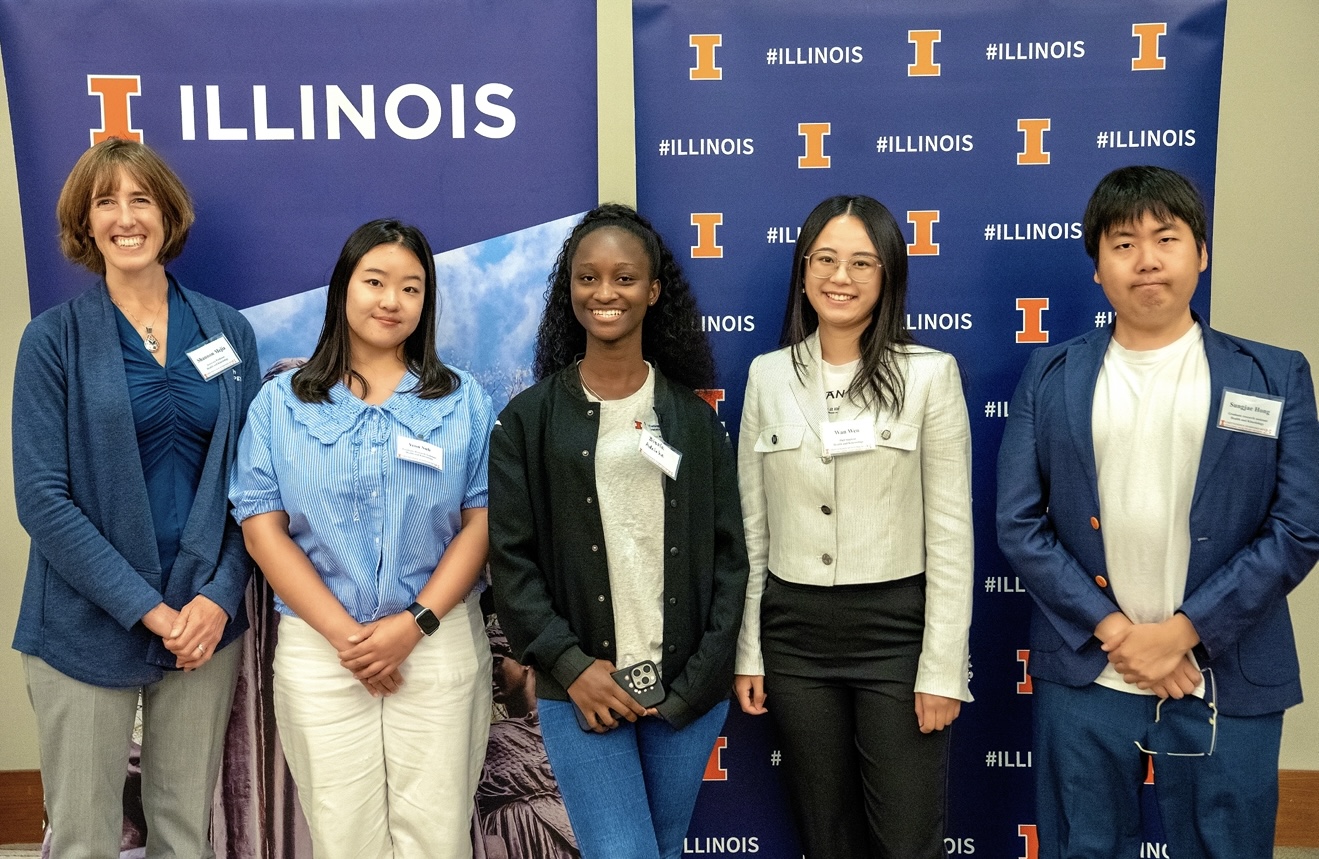
Members of the ADAPT Lab, led by Shannon Mejía (left).
An extended time working with professionals from computing and tech backgrounds has strengthened her ability to communicate across a diverse set of disciplines.
“One of the things I’ve valued most about my time at the University of Illinois is the emphasis on applying research to real-world challenges,” Adeleke said. “My coursework has provided a strong foundation in public health and research methods, while my internship at Argonne has shown me how those skills can be applied to improving technologies that support scientific research.
“Seeing my academic training translate into practical solutions has been one of the most rewarding aspects of my graduate experience.”
Before joining the University of Illinois Urbana-Champaign, Adeleke’s academic journey spanned two continents: she obtained her bachelor’s in health education from Lagos State University in Nigeria, and her master’s degree in research and development in educational studies from Palacky University in Olomouc, Czech Republic.
After 35 years, Steve Petruzzello leaves the University of Illinois the same way he built his career: putting people first
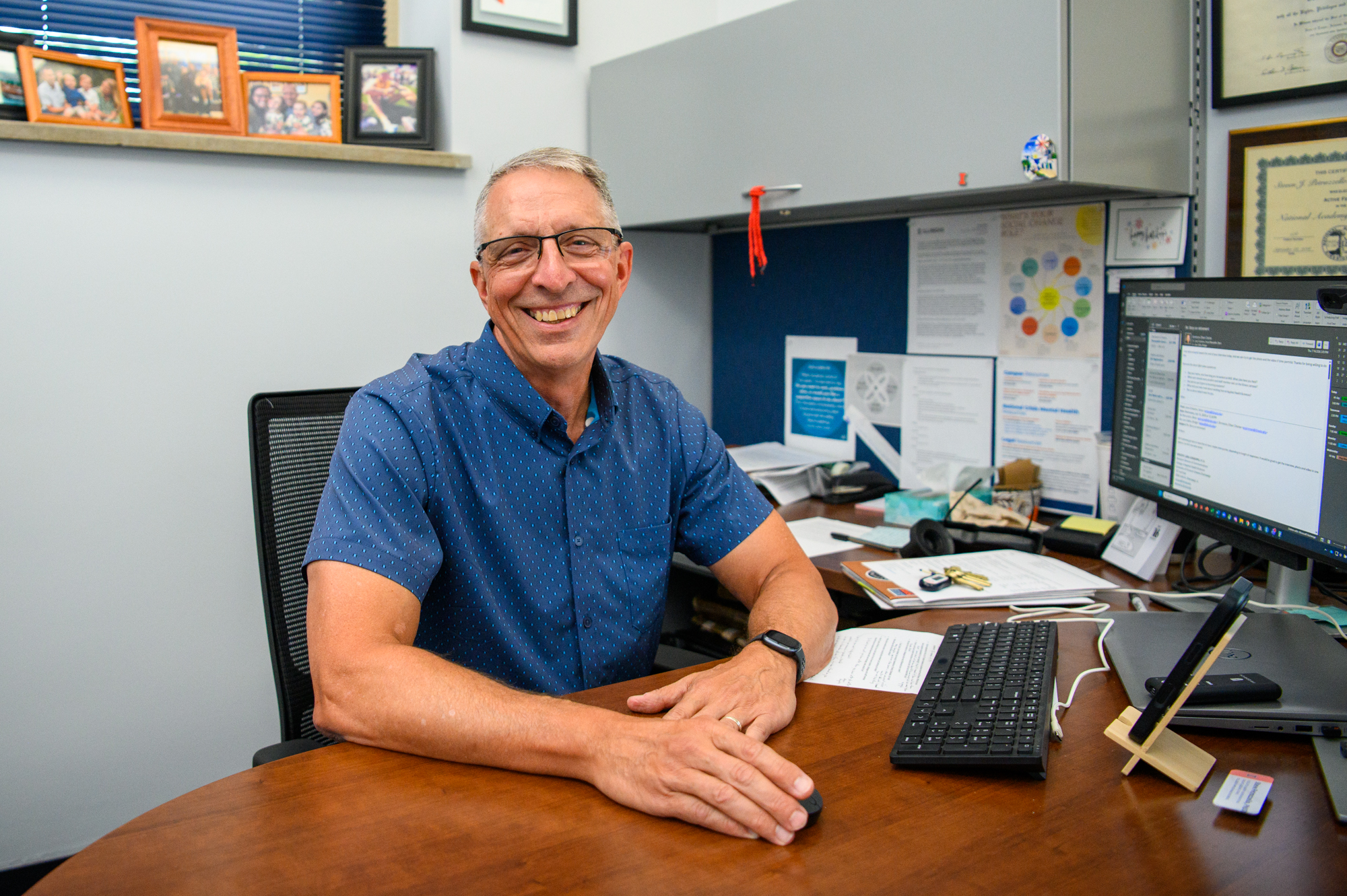
Professor Steve Petruzzello, associate dean for Undergraduate Academic Affairs, is retiring from the College of Applied Health Sciences after more than 30 years at the University of Illinois. (Photo by Ethan Simmons)
There are easier ways to measure an academic career.
You can count publications. Research grants. Awards. Citations. National rankings. For Steve Petruzzello, those numbers are certainly impressive. For 35 years at the University of Illinois, the Health and Kinesiology professor helped shape the scientific understanding of how physical activity affects mental health, conducted influential research that improved firefighter safety, mentored generations of graduate students and earned a place on the University’s List of Teachers Ranked as Excellent more than 60 times.
But ask Petruzzello what mattered most, and he’ll answer with a single word.
People. The students who walked into his classroom every semester. The graduate students whose ideas he encouraged—even when those ideas challenged conventional wisdom. The colleagues who opened laboratory doors for a young professor before they had any reason to trust him.
Those relationships, more than any publication or promotion, became the defining thread of a career that unfolded in ways he never expected.
“When I came here,” said Petruzzello—who came to what was then known as the Department of Kinesiology in 1991—“I knew I’d set up a lab, get my research started and begin teaching. I don’t think I could have ever predicted the twists and turns it would take over 35 years.”
Petruzzello, known to students as “Dr. P.” and to most others as “Steve P.,” never had a rigid vision of where his career was headed. Looking back, he believes that may have been one of his greatest strengths.
“I’ve always tried to remain open to possibilities,” he said.
Sometimes those possibilities appeared in remarkable acts of generosity.
Fresh off earning his Ph.D. from Arizona State University, Petruzzello arrived at Illinois with little more than ideas and ambition. Established faculty in the Psychology Department—many of them nationally recognized researchers—offered him access to their laboratories and equipment.
“They didn’t know me from Adam,” he said. “And they were willing to let me do anything I wanted.”
Other opportunities arrived by pure chance.
One afternoon, exercise physiology professor Jim Misner mentioned he was conducting research with firefighters. Petruzzello immediately recognized a connection to his own work studying body temperature and the psychological effects of exercise.
A hallway conversation became a decades-long research partnership that would eventually influence firefighter training across Illinois.
For Petruzzello, that became a lesson he carried throughout his career: some of the most important moments aren’t carefully planned. They’re recognized.
From Olympic Archers to Everyday People
His path into research was equally unexpected. Growing up in Wisconsin, Petruzzello was always active. Summers were spent outside, not in front of screens. Football games with his brothers continued through snowy winters. Later came competitive swimming.
The turning point arrived during college. A teammate developed a peculiar pre-race ritual. Before every race, he disappeared into a dark hallway, lay quietly beneath a towel for several minutes, then emerged to dominate his event. Petruzzello couldn’t stop wondering why.
That curiosity led him into sports psychology, graduate school at Arizona State and eventually research on elite athletes, including members of the U.S. Olympic archery program. His team measured brain activity and heart function while elite archers shot arrows, searching for the mental ingredients behind world-class performance.
The work fascinated him. But eventually another question seemed even more important.
Instead of asking how to help elite athletes improve by fractions of a percent, what if researchers could understand how exercise affected everyone?
That realization redirected his entire career toward studying the psychological benefits of physical activity—a field that has since become central to public health.
“It was like, ‘This is what I’m going to do,’” he said.
Science with Immediate Consequences
Many researchers hope their work eventually changes lives. Petruzzello got to watch it happen. Working alongside the Illinois Fire Service Institute, his laboratory studied how firefighters respond to extreme heat, dehydration and physical stress during training exercises.
Initially, researchers simply evaluated whether a structured physical training program improved fitness. It did. But the partnership quickly expanded into something much larger. Petruzzello’s team measured core body temperature, hydration, heart rate and cognitive performance during live-fire training scenarios. Their findings revealed how heat stress could influence decision-making, reaction time and safety.
The practical implications were immediate. Departments adjusted hydration practices. Training evolved. Better information led to better decisions for firefighters entering dangerous environments.
“We’re finding things we can give back to these folks,” Petruzzello said, “and they can use them to make changes in how they do things.”
For someone whose research centered on improving people’s lives, there was no greater reward than watching science move beyond journal pages.
I’ve always tried to remain open to possibilities.”
Steve Petruzzello
Outgoing associate dean for Undergraduate Academic Affairs
Despite an accomplished research career, Petruzzello never viewed teaching as secondary. Quite the opposite. Years ago, when asked to become director of graduate studies, he was offered the standard incentive: a reduced teaching load. He declined.
“If that’s what I have to do to take this job,” he told his department head, “I don’t want it.” He took on the role without giving up any of his teaching responsibilities.
Teaching wasn’t something to escape. It was the reason universities exist.
“We don’t have a job if we don’t have students,” he said. “Teaching has just been the best thing.”
Students sensed that commitment.
Every semester, Petruzzello updated his lectures rather than recycling decades-old material. He greeted students before class—eventually with fist bumps that became something of a tradition. He noticed who looked distracted, who hadn’t attended recently and who might simply need someone to ask whether everything was OK.
When students encountered illness or personal hardship, he tried to offer understanding before judgment. Sure, he admits, a few people probably took advantage of that kindness. He has no regrets.
“I don’t want to be the one that says, ‘I wish I would’ve given that student a little more leeway because they really needed it.’”
That philosophy explains why his teaching evaluations remained exceptional for decades. Students remembered not only what they learned, but how they were treated.
A Mentor Who Stepped Aside
Petruzzello’s impact extended far beyond the classroom. One of his proudest moments involved doing remarkably little.
Professor Steve Petruzzello says he’ll miss students and teaching. (Photo by Ethan Simmons)
Early in his career, doctoral student Panteleimon “Paddy” Ekkekakis approached him with four ambitious manuscripts questioning accepted ideas within exercise psychology.
One of the manuscripts was critical of the questionnaire developed by a more-senior faculty member. The faculty member was livid, Petruzzello said.
“He said, ‘How dare you let a graduate student do that?’ And I just sat there. And I thought, how dare I not? If it’s garbage, then the peer review process will point that out.”
Instead, all four manuscripts were accepted.
The work fundamentally changed how researchers study emotional responses to exercise and launched Ekkekakis into one of the field’s most influential careers.
Ekkekakis, now a professor and chairperson of the Department of Kinesiology at Michigan State University, said he first learned of Petruzzello in 1991 when he was an undergraduate student, and Petruzzello published a meta-analysis on the effects of exercise on anxiety in a leading review journal.
“Needless to say, at the time, for an undergraduate student in faraway Athens, Greece, the furthest thing from my mind was the notion that I could, one day, study for my Ph.D. under the guidance of Dr Petruzzello,” Ekkekakis said. “As fate would have it, a couple of years later, I met Dr. Petruzzello, in the flesh, at a conference in the U.S. We kept in touch and a few years later, I found myself driving a U-Haul truck through a major winter storm toward Champaign-Urbana, to enroll in the Ph.D. program under his guidance. I came to Illinois after a traumatic period of studying for my master’s, having experienced numerous variants of negativity, from racism to condescension and everything in between. In stark contrast, every interaction with Steve was like a breath of fresh air. In an early experience I will never forget, I observed him interact very calmly with a belligerent student in the classroom. I thought to myself ‘I wish that, one day, I will be able to develop this level of professionalism and self-control.’ Outside the classroom, Steve exhibited the perfect balance between providing guidance and cultivating autonomy. That’s a rare skill that I have also tried to emulate, but probably unsuccessfully.
“It is hard to put in a nutshell what Steve means to me as a mentor and academic role model. I owe him a huge debt of gratitude for helping me build a research program that has taken me all over the world and a professional career that I still find fulfilling. I consider myself enormously lucky that our paths crossed, especially considering how extremely improbable this encounter seemed back in 1991.”
Cheryl Hanley-Maxwell, dean of the College of Applied Health Sciences and a colleague since 2016, said Petruzzello “distinguished himself as a scholar, teacher, mentor and leader whose influence has shaped generations of students, faculty and staff.
“Steve’s leadership within the college has left a lasting mark. He has guided academic programs, supported student success initiatives and helped shape the educational experiences of countless undergraduate and graduate students. His steady guidance, thoughtful perspective and unwavering commitment to this college have strengthened our mission in countless ways.
Saying Goodbye
After three and a half decades, Petruzzello says he won’t miss committee meetings. He laughs about that. What he’ll miss are the conversations before class. The questions students asked that made him think differently. Conversations with fellow faculty members and colleagues. The faculty and staff members who quietly kept the department running every day.
Mostly, though, he’ll miss the students. For years, he joked that standing in front of classrooms full of 18-to-22-year-olds was the closest thing academia had to the fountain of youth.
Now, as retirement begins, he hopes the next generation of faculty remembers why universities exist in the first place. Help students. Be the best teacher and mentor you can be. Build meaningful research. Speak up. Stay curious. Those ideas sound remarkably similar to the principles that quietly guided his own career.
When asked for one final message, Petruzzello borrowed words that have long inspired him.
First came Maya Angelou: Do the best you can until you know better. Then when you know better, do better.
Then, with a smile, he reached for Winnie the Pooh.
“How lucky am I to have something that makes saying goodbye so hard?”
For thousands of Illinois students, colleagues and alumni, the answer is easy. They were lucky to have Dr. P.
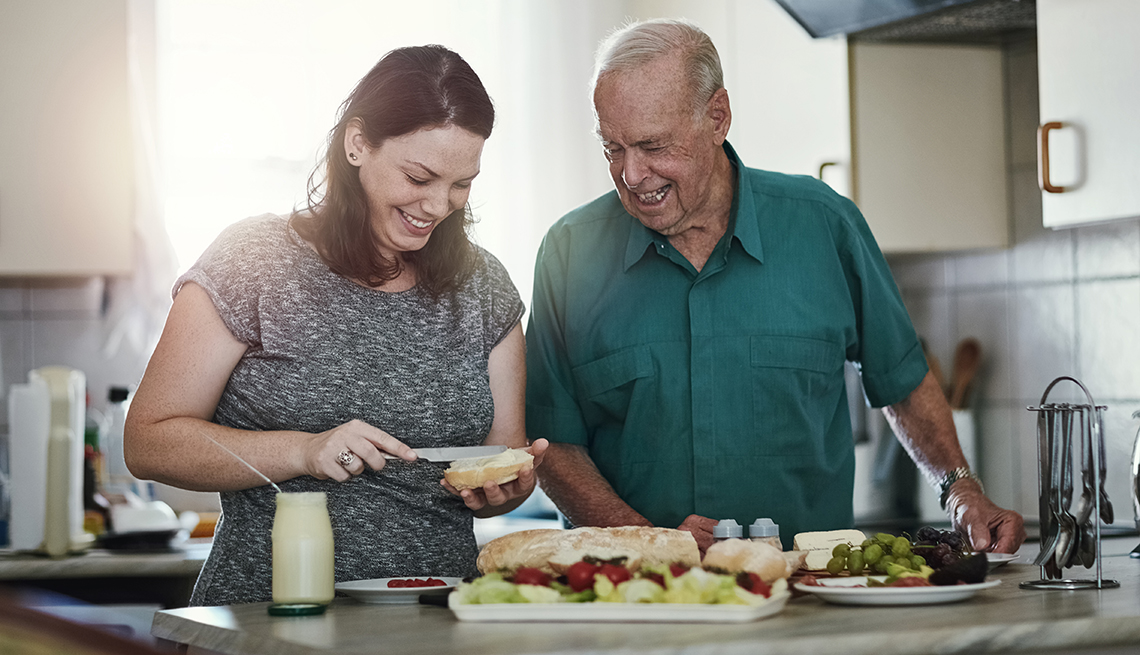
There are several ways caregivers can tailor their meals to their relatives’ health needs (Google images)
My first science experiment was in sixth grade, for our county’s science fair. Over three months, I tested how my grandfather’s blood sugar responded to green leafy vegetables versus brown rice at dinnertime. My mom would prepare traditional South Indian meals including those foods, and my dad would supervise as I measured and administered insulin and recorded my grandfather’s blood sugar levels.
It was the first time I observed how complex it is to feed a relative with a complex health condition.
Today, as a health services researcher studying how family caregivers manage food and nutrition as part of taking care of older family members, I know that helping an older relative eat well doesn’t just support their health. It can also bring them joy, boost their energy, prompt nostalgia or offer a chance for experimentation with flavors.
Too often, caregivers are left to manage these substantial responsibilities alone, with limited resources and information about nutrition. Here’s what you need to know.
Changing nutrition needs
Nutrition needs change with age. Older adults generally need fewer calories, but require more protein, fiber and other nutrients to maintain muscle, bone and overall health.
And the shrinking number and size of taste buds and reduced saliva production can affect which foods people enjoy or are able to eat.
More than 7 in 10 older adults have more than one chronic condition such as diabetes, cardiovascular disease, dementia or osteoporosis. Some conditions are risk factors for developing others—for instance, having Type 2 diabetes raises the likelihood of cardiovascular disease, and both are risk factors for dementia.
Optimal nutrition is critical for managing these diseases—and often for reducing the risk of developing them. Over 60 million caregivers in the U.S. support a relative, friend or neighbor with daily activities, and my colleagues and I have found that roughly a quarter of family caregivers of older adults help with nutrition. They are often responsible for every aspect of providing it—from planning meals to grocery shopping and making sure the food gets eaten.
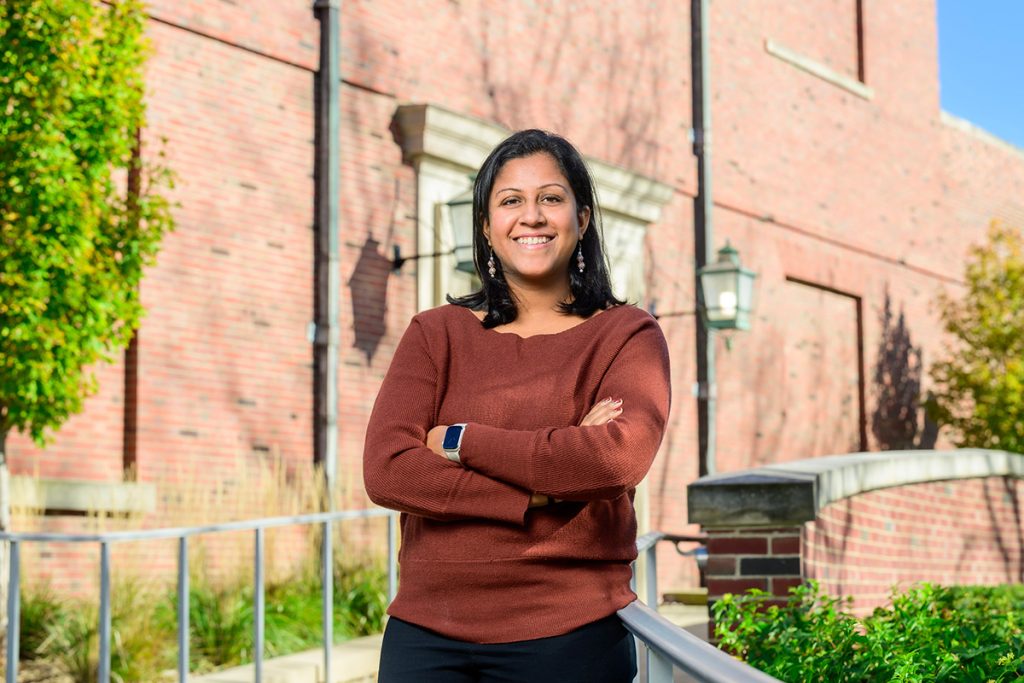
Associate Professor Minakshi Raj, outside near Freer Hall, is an expert on caregiving issues. (Photo by Fred Zwicky / University of Illinois Urbana-Champaign)
But different health conditions require different approaches to dietary changes, and those changes can be even more nuanced when someone has multiple conditions. For example, someone with Type 2 diabetes can benefit from eating fewer foods with refined carbohydrates found in cookies, candies and sodas, and more foods high in fiber, protein and fats to stabilize their blood sugar.
If that person also has kidney disease, they might need to restrict their consumption of foods that are high in potassium, such as potatoes and tomatoes as well as foods that are high in phosphorus, such as nuts, to avoid straining the kidneys.
Caregivers often don’t have the knowledge to help them with their nutrition responsibilities, such as making sure the food they provide includes the necessary amounts of macronutrients—proteins, carbohydrates and fats that the body needs. Many are also unsure of how nutrition affects their relative’s health condition and lack training on meal planning, budgeting and cooking for themselves and for a relative with chronic health conditions.
Key kitchen strategies
Online resources, such as those offered by the American Diabetes Association, can provide ideas for recipes as well as information about nutrition and management of specific health conditions. For caregivers who need to make dietary modifications to traditional, non-Western cuisines, resources such as Oldways can provide global culinary examples that meet specific nutritional needs.
A few targeted kitchen strategies, like meal planning, can go a long way toward helping caregivers navigate food decisions and nutrition needs of older relatives. You can start by thinking through what types of foods to include—or to skip—in order to meet your relative’s health needs. For example, they might need high fiber to slow digestion and prevent blood sugar spikes in diabetes. Or, they might need to add dairy to meals for good bone health.
Creating a list of meals for the week based on food groups—such as grains, protein sources, vegetables, fruits and dairy—can help ensure these items are part of each meal. It also enables you to shop with a specific list on hand, which can reduce food waste or spoilage.
One common dietary change for older adults is reducing how much sodium they consume. Packaged and prepared foods are often high in salt because it enhances flavor. To maximize flavor in low-salt foods prepared at home, try experimenting with different spices and herbs. If your relative seems to really enjoy a particular blend, you could even create your own mix to use in a variety of dishes.
In some cases, Medicare will cover the cost of consulting with a dietitian. A dietitian can talk caregivers through their family’s specific concerns and preferences about managing an older relative’s nutritional needs. They can also help families make sure that any dietary modifications safely align with their relative’s health conditions, as well as with their medications and other therapies. Since 2025, Medicare has allowed dietitians to train family caregivers on how to manage special diets for conditions like diabetes or chronic kidney disease, even if the patient isn’t in the room.
Steps like these can help caregivers continue providing this help and might even bring new foods and flavors into the home.
Editor’s note:
Minakshi Raj is an associate professor in the department of health and kinesiology at the University of Illinois Urbana-Champaign. This story was originally printed in The Conversation and The Washington Post.
New research suggests the liver retains a molecular memory of past workouts, helping the body respond more effectively when exercise resumes after a break
Diego Hernandez-Saavedra, center, says his study shows that the whole body, not just the muscles, remembers exercise. (Photo by Fred Zwicky)
For millions of people who have stepped away from regular exercise because of injury, illness, pregnancy or the demands of daily life, returning to fitness can feel like starting from scratch. New research suggests that may not be the case.
A new study, “Endurance Exercise Elicits a Hepatic Memory Associated with Improved Metabolic Function and Protein Secretion,” provides evidence that the liver retains a biological “memory” of previous exercise, allowing the body to respond more effectively when physical activity resumes. The findings, led by University of Illinois Health and Kinesiology Assistant Professor Diego Hernandez-Saavedra, point to a previously unknown adaptation in the liver that could reshape scientists’ understanding of exercise, metabolism and chronic disease prevention.
The research expands on earlier work showing that skeletal muscle can retain a memory of prior exercise. This study is among the first to demonstrate that another major metabolic organ—the liver—also appears to preserve molecular changes after periods of regular physical activity.
Funding for the study came from the Center on Health, Aging and Disability in the College of Applied Health Sciences as well as the Campus Research Board.
“Our study shows that exercise can help our body be healthier, specifically our liver, and that those ‘memories’ that we stored from the time we exercised can help us stay healthy over time,” said Hernandez-Saavedra, who is in AHS. “This is the first-of-its-kind study that shows that the whole body, not just the muscles, remembers exercise.”
The liver plays a central role in regulating blood sugar, processing fats and producing proteins that circulate throughout the body. During regular endurance exercise, liver cells activate genes that improve metabolic health. While many of those changes diminish when exercise stops, the study found the liver does not fully return to its pre-exercise state.
Instead, researchers discovered that the organ remains biologically “primed.” When exercise resumes, those dormant pathways reactivate more quickly and more powerfully than they did during initial training.
“If you had to explain this paper to someone in one sentence,” Hernandez-Saavedra said, “your liver remembers every workout you’ve ever done, and that memory makes getting back in shape faster, more effective, and more protective for your metabolic health than if you’d never exercised before.”
The majority of the mechanistic work was conducted in mice using carefully controlled endurance-training and detraining protocols. Researchers found that animals returning to exercise after a period of inactivity demonstrated stronger improvements in blood sugar regulation, reductions in liver fat and enhanced metabolic responses compared with animals exercising for the first time.
One of the study’s most striking discoveries involved a protein known as carboxylesterase 4A, or CES4A. The protein was secreted into the bloodstream only during retraining—not during an initial training program of equal duration—suggesting the liver distinguishes between first-time exercise and renewed exercise after prior conditioning.
Researchers also observed a dramatic increase in gene activity during retraining.
This is the first-of-its-kind study that shows that the whole body, not just the muscles, remembers exercise.”
Diego Hernandez-Saavedra
Assistant Professor, HK
“The liver went from expressing 18 differentially regulated genes after initial training to more than 6,000 after retraining,” Hernandez-Saavedra said. “That’s not a subtle effect.”
Although the strongest evidence comes from laboratory mice, the study included a six-week human exercise program involving 20 participants that produced encouraging results.
Researchers found that carboxylesterase activity increased after exercise in humans as well. Those increases were greatest among participants with higher cardiorespiratory fitness and a greater history of previous physical activity, mirroring the retraining response observed in mice.
“We’re cautiously optimistic,” Hernandez-Saavedra said. “The human data we present are preliminary … but the pattern is strikingly consistent with what we found in mice.”
The findings could have important implications for metabolic dysfunction-associated steatotic liver disease, or MASLD, formerly known as nonalcoholic fatty liver disease. The condition affects roughly one-third of adults worldwide and is closely linked to obesity, Type 2 diabetes and cardiovascular disease.
Exercise remains one of the most effective treatments for improving liver health, but maintaining consistent physical activity over time remains a challenge for many people.
“If we can establish that a history of exercise, even interrupted, confers durable protection on the liver and amplifies the response to future training, that changes how we think about exercise prescriptions for people at risk of or already living with MASLD,” Hernandez-Saavedra said. “It also opens the door to new therapeutic targets.”
The researchers are now investigating whether those beneficial exercise memories can eventually be activated therapeutically, potentially allowing scientists to mimic some of exercise’s protective effects for patients unable to engage in regular physical activity.
Still, Hernandez-Saavedra cautioned against overinterpreting the results.
“Our study shows that prior exercise history provides a biological advantage when exercise resumes,” he said. “It does not show that stopping exercise is without consequence.” Many of exercise’s measurable benefits diminished during periods of inactivity, he noted, meaning the memory remains dormant until exercise begins again.
Instead, the research offers encouragement for people who have fallen out of an exercise routine.
“Start again, and don’t be discouraged by the gap,” Hernandez-Saavedra said. “The biology suggests that your previous exercise history is not gone; it’s simply dormant.” Even modest activities such as walking, cycling or light resistance training may be enough to reactivate those molecular pathways.
Scientists caution that several important questions remain unanswered before physicians can apply the findings clinically. Researchers still need to determine how long hepatic exercise memory lasts, whether it differs by age or sex, what types and amounts of exercise activate it most effectively and whether specific carboxylesterase proteins can serve as biomarkers of liver health in humans.
Even so, the study challenges one of the most common assumptions surrounding exercise—that periods of inactivity erase previous gains completely.
“People assume that if they stop, they go back to zero,” Hernandez-Saavedra said. “Our research supports a different view: exercise is an investment that accumulates biological capital in your tissues, including your liver, and that capital doesn’t fully disappear when you stop. The body keeps a record.”
While additional human studies are needed to confirm the mechanisms, the research offers a hopeful message to anyone hesitant to restart an exercise program after months—or even years—away: the body may remember more than previously believed.
New research is testing effective ways to communicate with families about chemical exposures
The IKIDS research team at the Beckman Institute for Advanced Science and Technology at the U. of I. studies maternal and child health outcomes and their relationship to environmental and nutritional exposures. Participant Margo Schiro, age 7, speaks to doctoral student Cai Zhang. (Photo by Fred Zwicky)
Among the last things a mother wants to hear is that chemical compounds found nearly everywhere in the modern environment—our clothing, packaging, plastics and drinking water—could have implications for their child’s development in the womb.
Sarah Geiger, assistant professor of health and kinesiology at the College of Applied Health Sciences at the University of Illinois Urbana-Champaign, has studied the adverse impacts of environmental pollution and chemical exposures on human development for more than 15 years as a researcher.
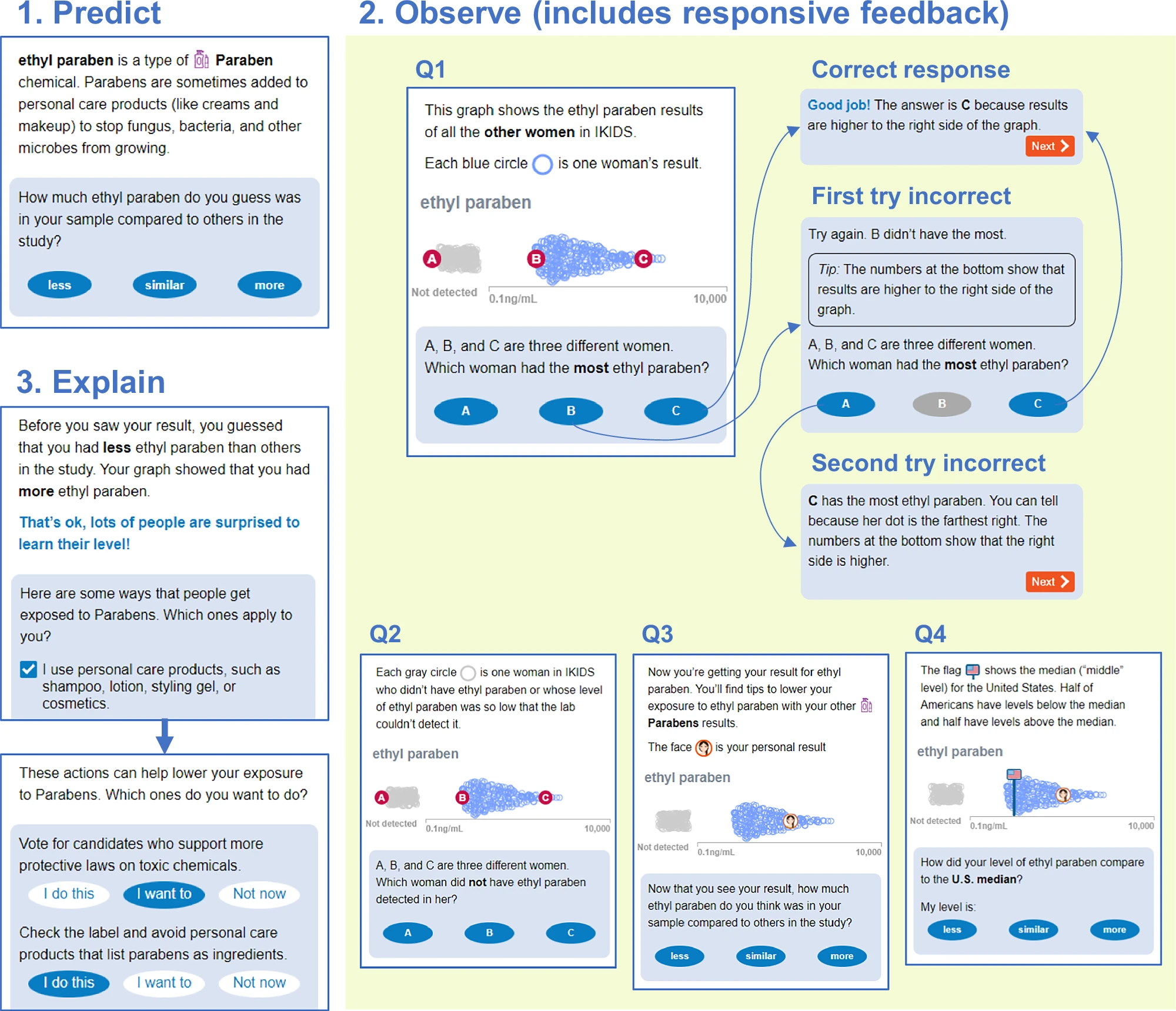
Now she’s part of emerging research to hone those conversations: how do we communicate these findings without creating undue levels of fear or concern?
“You don’t want them to feel like, ‘Great, now I’ve somehow unknowingly put my developing child at risk,’” Geiger said. “The conversations we try to have with mothers is, ‘Here’s what we know so far and here’s what we’re trying to learn; here’s what could be the case, or not.
“We also equip them with knowledge to empower them to avoid chemical exposure in a way that is tailored to their individual chemical measures, as well as protective behaviors that could help to mitigate any effects of existing chemical exposure.’”
This process, known as ethical report-back of research results (“report-back”) is a science unto itself. With an R01 grant from the National Institutes of Health, Geiger is collaborating with the Silent Spring Institute—a women’s and environmental health research organization—and colleagues at the University of California San Francisco to experiment with the report-back process.
Geiger has teamed up with Silent Spring and UCSF previously to make a tutorial for research participants to understand chemical exposure. In this new study, participants will be tracked on several biomarkers that have not typically been reported back to participants—like telomere length, oxidative stress and inflammation—then informed of the results in separate groups.
“We’re doing a randomized controlled trial, not with vaccines or pharmaceutical products, but with report-back,” Geiger said. “If one study group gets the report-back report, and the other received their results with a feature designed to facilitate them taking action around these results, are there differences in behavior change outcomes?
“The idea is that we want to learn what best helps research participants understand and act on their individual results in a way that has the potential to enhance health.”
The report-back process is important because our polluted environment isn’t going away. Even as larger studies, including a birth cohort study hosted at the University of Illinois, continue to reveal how common chemicals impact children’s development, the United States industrial ecosystem doesn’t seem to be improving, Geiger said.
“Most of the chemicals far and away that I’ve studied are endocrine-disrupting. And the situation is not getting better—it’s getting worse because we’re stripping away environmental regulations in this country,” Geiger said. “Whatever your political persuasion is, the reality is that we don’t abide by the precautionary principle for chemical exposures and chemicals in products to the extent that our counterparts in other developed nations do.”
Understanding ‘forever chemicals’
Among the many compounds Geiger studies as an environmental epidemiologist, so-called “forever chemicals” are recurring characters.
Per- and polyfluoroalkyl substances, or PFAS, are manmade compounds used in water-resistant clothing, stain-resistant food packaging, nonstick cookware materials and countless other consumer products. Also found in drinking water, PFAS earned the moniker of forever chemicals for their durability and tendency to accumulate in human and animal bodies.
PFAS were long considered chemically inert. But a crisis in middle America opened new investigations into their health effects, and Geiger had a front-row seat.
Sarah Geiger (Photo provided)
For decades, chemical producer DuPont knowingly dumped perfluorooctanoic acid, called PFOA or C8, in the Ohio River, which flowed into drinking water for the surrounding communities. DuPont used C8 to produce nonstick Teflon products.
In 1998, more than 70,000 residents of the mid-Ohio River Valley in West Virginia and Ohio reached a $671 million settlement with DuPont. The class action lawsuit also funded a massive cohort study to observe PFOA’s long-term effects on human health.
Geiger obtained her doctorate at West Virginia University School of Medicine, where many researchers were untangling the damage done.
“I was really interested in environment and human health—and pediatrics, too,” Geiger said. “I had a couple kids at that time: I was interested, partially just from being a mom, in child development.”
What they learned: PFAS disrupts human endocrine systems. PFAS chemical structures are similar to the sex hormones estrogen and testosterone. Significant adult exposure is associated with kidney and testicular cancer risk, lowered fertility, and damage to the immune system.
Other common endocrine disruptors include bisphenol A, a chemical used in plastic manufacturing which coats the insides of metallic products like food and beverage cans, and parabens, preservatives commonly found in cosmetic products like shampoos and moisturizers.
Exposure to endocrine disruptors in utero can disrupt and complicate children’s pre-birth sexual development and affect their developmental trajectory years down the line—leading to lower birth rate, decreased bone density and accelerated puberty.
“How can a chemical exposure for a developing fetus in the womb change child behavior at age 5? Physically, chemically, how in the world does that happen? That’s what we’re trying to get to the bottom of,” Geiger said.
Prospective human cohort studies are the gold standard in epidemiology. They enroll participants and follow up with them for years or even decades, collecting relevant health data to find patterns in their development and life outcomes.
In IKIDS, pregnant women are enrolled early in their pregnancy and continue to check in from their child’s birth up to age 8 in many cases. More than 600 mothers, fathers and their children have been enrolled so far, and they’ve secured funding from the National Institutes of Health to continue the study through 2030.
Most of the chemicals far and away that I’ve studied are endocrine-disrupting. And the situation is not getting better—it’s getting worse because we’re stripping away environmental regulations in this country.
Sarah Geiger
HK Assistant Professor
Some participating mothers have been tested on a variety of chemical exposures in their blood during pregnancy. Their kids’ development is tracked for any significant associated outcomes, particularly around neurodevelopment, or the growth of the brain and nervous system.
“We don’t always know exactly what the causal factors are biologically for an outcome we see, but cohort studies allow us to drill down into it in a way that most studies don’t allow you to do,” Geiger said.
Communicating risks
In the large research group at IKIDS, Geiger has led the report-back process for participating families. With grant funding, she helped pilot an app made for the task.
Collaborators at the Silent Spring Institute and UCSF created a smartphone-based tutorial for mothers who participated in two cohort studies, including IKIDS, that walked participants through their chemical exposure results and offered personalized recommendations for reducing contaminants in the future.
According to their study published this February, the tutorial helped study participants understand graphs that detailed their own chemical exposures, aimed at accessibility to participants of all education levels and backgrounds.
The digital interface showed participants how their own chemical exposure levels compared against other mothers collectively in both the study and nationally, then offered pointers to reduce exposure to endocrine-disrupting contaminants.
Some practical recommendations shared in the study: eating more fresh and frozen food, opting for drinks in glass bottles instead of cans, moisturizing with natural oils like shea butter or avoiding household products that are advertised as “antimicrobial.”
The tutorial proved effective at “creating intentions to adopt health-protective behaviors,” the study’s authors wrote, while providing a report-back tool that scaled for participants across different socioeconomic and educational backgrounds.
The tricky part, Geiger said, is framing risks in the proper dose. Since many of these chemicals are still being researched, investigators must give participants their best guidance off of incomplete or evolving information.
“We have to think really hard about how to report these levels back—it’s a little bit of a double-edged sword because we’re getting grants to study these chemicals simultaneously,” Geiger said. “It’s still emerging research with many of these chemicals, so we don’t always have that hard and fast guidance to give back.
“We’re continuing to do this work and hoping that, at the policy level, we become more aware that we may be doing damage to children at these crucial developmental stages, by dosing them with chemicals that are not tested or understood commensurate with the value that our children hold for the future.”
AI could revolutionize disease prevention—but flawed data could deepen health inequalities
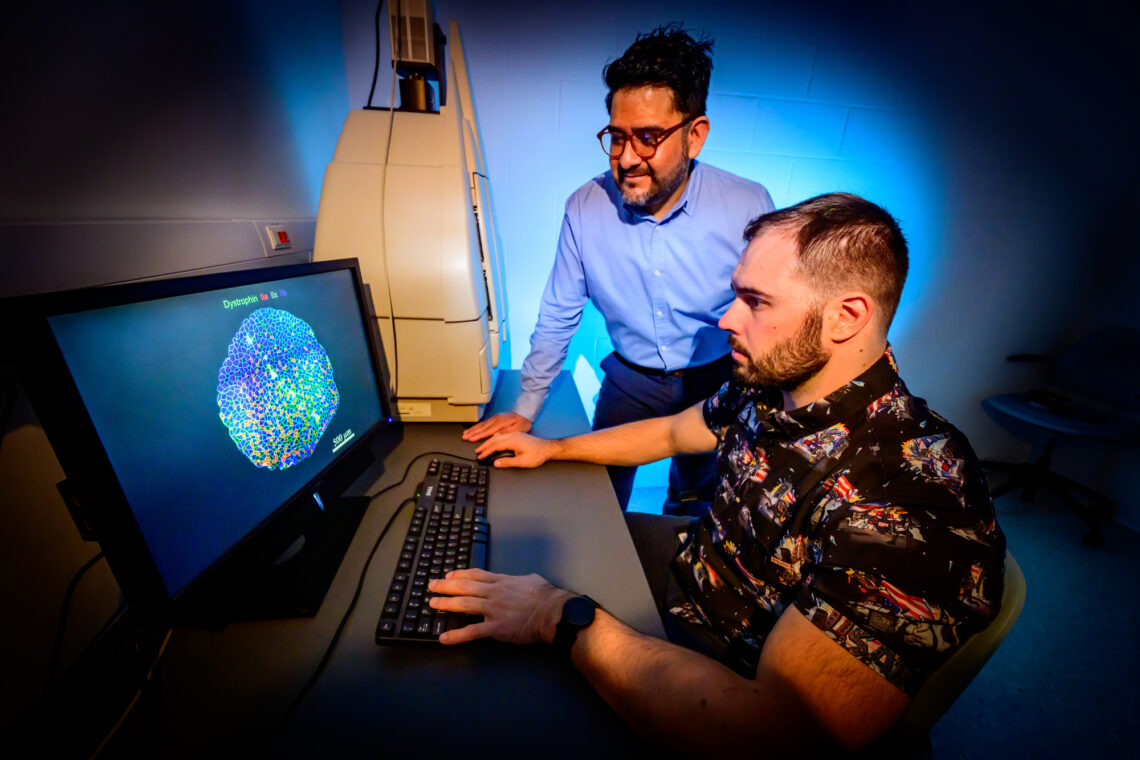
Bruno Nunes is trained as an epidemiologist. Now he studies how machine learning can lead to better health outcomes at the population level. (Photo by Ethan Simmons)
In the view of University of Illinois public health researcher Bruno Nunes, artificial intelligence shapes up as a potent tool to predict and prevent public health problems, such as chronic diseases.
But before AI-powered models are deployed in public health settings, they must be trained on richer data sets so they don’t amplify inequalities that exist in our healthcare system and society.
“To reach this future, we need to have better data to develop these models,” said Nunes, associate professor at the Department of Health and Kinesiology at the College of Applied Health Sciences. “Machine learning is a data learning process. It’s not just about using the fanciest algorithm—the problem is if you don’t have good data, you won’t have a good model.”
Trained as an epidemiologist, Nunes is focused on public health strategies: how to prevent chronic disease and promote positive health outcomes at the population level, in some cases before people visit the doctor’s office.
Artificial intelligence is already widely deployed in healthcare settings to better diagnose patients, especially reading medical imagery like X-rays, MRIs and CT scans.
With machine learning’s superior ability to detect patterns using huge tranches of data, Nunes envisions a future where models can accurately predict the risks of developing chronic diseases and allow populations to intervene earlier than before.
Part of this, Nunes argues, is AI may help us untangle “multimorbidity.” Many healthcare patients show up to the doctor’s office with two or more diseases, such as hypertension combined with diabetes or high cholesterol, which complicates management and quality of life.
“Our health system and services are tailored to one disease. But in most cases, especially when talking about populational aging, most people are presenting different diseases at the same time,” Nunes said. “And the worst part of that is when we aren’t able to manage this patient well because they have such complex conditions and interactions.”
His recent research has tested machine learning models on their ability to predict real-world outcomes. One recent study showed that machine learning models can predict a population’s dental service usage with solid accuracy but show poorer results with certain demographic subgroups.
Machine learning is a data learning process. It’s not just about using the fanciest algorithm—the problem is if you don’t have good data, you won’t have a good model.
Bruno Nunes
HK Associate Professor
Nunes collaborated on a study that used an AI model to predict dental service use for adults in Southern Brazil. The model used 47 different characteristics—sociodemographic data, behavioral traits and oral and general health markers—to predict whether participants went to the dentist in the past year from a cohort study in Pelotas.
Though the machine learning model’s predictions were largely accurate, it performed significantly worse across the board for mixed-race individuals in the study compared to Black and white participants, making the model unsuitable for real-world implementation in its current form.
“None of the models are perfect: they present an error rate, and we need to deal with it,” Nunes said. “But if this error rate is higher for a subgroup of the population, the subgroup may be under- or over-diagnosed.
“If the model is not so good for people who already present with historical inequalities in the health system, the model can amplify these inequalities instead of decrease them.”
Nunes tries to teach his students to frame the right questions in his new class, Artificial Intelligence in Public Health, which debuted in fall 2026 in HK.
Through critical discussions, he hopes to get students to think more about how “AI can fit into the big picture of public health,” and construct their own models around the right questions.
“In most cases we tend to develop models for disease-related consequences or for problems which we already have an effective public health strategy, for example—but what if we could create equitable models to predict the problems in advance or issues without scalable solutions?” Nunes said.
“You can’t just press a button to develop a machine learning model. You must have prior knowledge of the topic, skills and abilities to interpret the model considering public health principles. How can it be useful to solve the disease burden at the population level?”
As we move through another dynamic semester in the Department of Health and Kinesiology, I am continually struck by the breadth and impact of the work happening across our department. This spring, our faculty, students and alumni have advanced important conversations at the intersections of health, behavior and society—work that not only contributes to scholarship, but also to real-world understanding and change.
Among our recent highlights, Jacob Allen and Elisa Caetano-Silva’s work on inflammatory bowel disease and stress-related colitis is helping to deepen our understanding of how physiological and psychological factors interact in complex ways. Similarly, Thayna Flores and Pedro Hallal’s research on toddler diets is offering fascinating insight into how early nutrition may shape not just physical development, but cognitive and behavioral patterns as well.
We are also excited to share an upcoming story on iPALS, which underscores the power of alumni engagement and support in sustaining meaningful programming. This story reflects the strong community that continues to define our department.
Our faculty are also pushing into emerging and interdisciplinary areas. Bruno Nunes’ work exploring the relationship between artificial intelligence and mortality raises compelling questions about the future of health analytics and prediction. Sarah Geiger’s early childhood investigations continue to illuminate foundational stages of development, adding depth to our understanding of lifelong health trajectories.
Additional articles highlight the impactful work from Laura Rice (research on fall prevention and management) and Sandraluz Lara-Cinisomo (postpartum depression and pain during and after childbirth in racial/ethnic minority women), as well as Soyoung Choi’s interdisciplinary collaborations and Robyn Gobin’s work in areas of Veterans’ health and mental health research.
Thank you for being part of a community that values curiosity, collaboration and meaningful impact. I look forward to all that the remainder of the semester will bring.
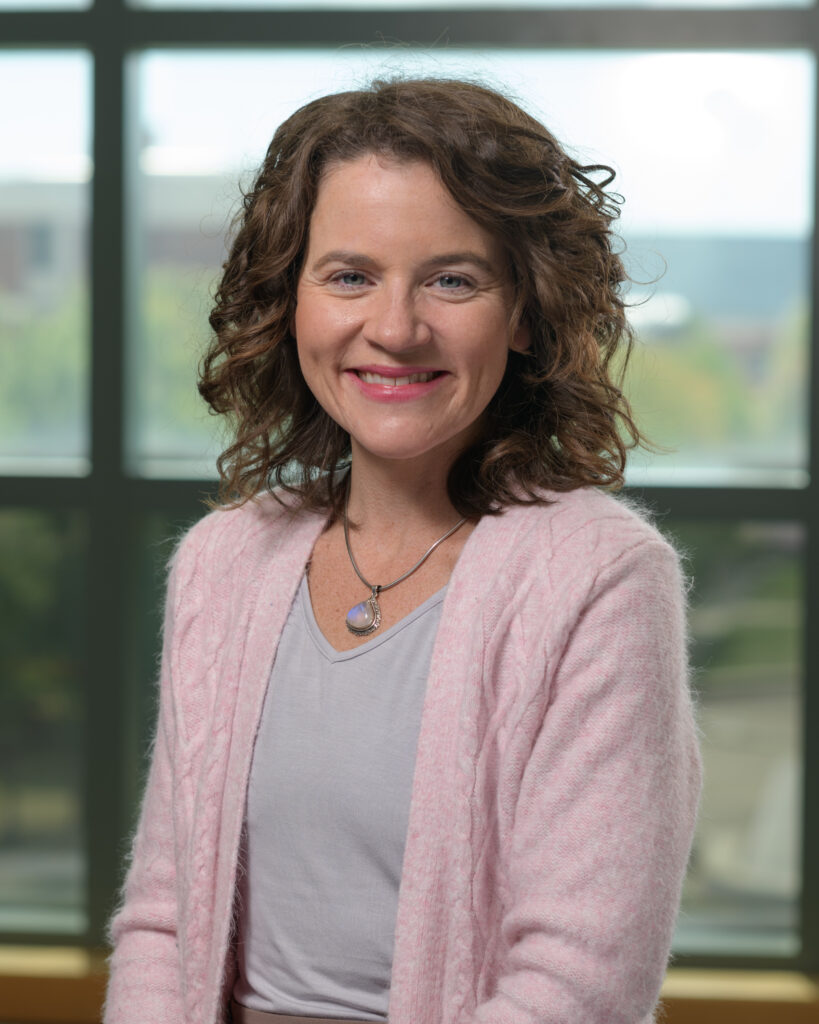
Robyn Gobin said the authenticity of research participants and clients motivates her work. (Photo provided)
Health and Kinesiology Associate Professor Robyn Gobin inhabits many roles—teacher, researcher, psychologist, author—which continue to influence each other. Gobin is a trauma specialist: she works with domestic violence survivors and military Veterans and has published studies about their experiences.
Gobin joined the Department of Health and Kinesiology in 2015, after clinical and research fellowships at UCSD and Brown University. She obtained her Ph.D. in Clinical Psychology from the University of Oregon in 2012, then worked at the VA Providence Healthcare System’s PTSD Clinic and the VA San Diego Healthcare System, as an Advanced Women’s Health Research Fellow and postdoctoral clinician.
Part of what keeps Gobin motivated to do this work is “the authenticity and courage” she witnesses from research participants and clients as they navigate their healing journeys.
“It is a privilege to contribute, in both small and meaningful ways, to people reclaiming their sense of self and well-being in the aftermath of trauma,” she said.
Gobin reflected this semester on her background and ongoing work for the College of Applied Health Sciences.
Why did you want to become a psychologist? When did academia and the research world come into the picture for you?
Growing up, I always knew I wanted to have a career that would allow me to help the people in my community experience less stress and have more joyful and fulfilling lives. I discovered the field of psychology during my senior year in high school when I took an AP Psychology course. What attracted me most to the field was that it would allow me to enjoy the best of both worlds: research and practice. I knew I wouldn’t be limited to using just one skill set. Psychology gives me the freedom to use many gifts and talents. As a research psychologist who is also licensed to practice, I get to help shape the knowledge that informs interventions in clinical and community settings, while my work with clients helps shape the way I conceptualize my research.
What brought you to the University of Illinois and the College of Applied Health Sciences?
As a trauma specialist, I’ve had the opportunity to receive both research and clinical training as a predoctoral and postdoctoral fellow at several Veterans Affairs hospitals. It has truly been an honor to work with military Veterans. When my postdoctoral fellowship concluded, I knew I wanted to continue serving this population. During my job search, I stumbled across a tenure-track faculty position affiliated with the Chez Veterans Center, housed in the College of Applied Health Sciences. I was immediately drawn to the opportunity to continue my Veteran-centric research in a university setting.
What is it like to occupy the roles of therapist, researcher and professor? Are there ways that each role affects the others for you personally?
It provides a meaningful balance. I enjoy work that keeps me on my toes by offering opportunities to engage different parts of my brain. One of my core values is being of service and having a direct impact in the community, and these three roles allow me to integrate service and impact into my professional identity. Teaching and therapy allow for immediate, direct impact while collaborative research allows me to contribute to longer-term, broader impact by generating knowledge that can shape practice and policy. Each role is influenced by the others.
My clinical work grounds my research in real-world experiences and helps ensure it remains relevant and responsive. My research strengthens my teaching and clinical practice by providing evidence-based frameworks and keeping me abreast of emerging topics and the latest research in the field. Teaching allows me to draw directly from both my clinical experiences and research to facilitate rich, nuanced conversations about the complexities of trauma and mental health while engaging learners at all levels, from undergrad and graduate students to new and experienced clinicians.
You co-authored two recent papers detailing the responses of women who experienced intimate partner violence about their beliefs and practices around forgiveness. What was it like to collaborate on these studies, and what did you learn from them?
These projects were very special because I got to collaborate with former graduate student Kristen Golden, Ph.D., around our shared passion for enhancing well-being and supporting healing among women survivors of domestic violence.
I always consider it an honor when survivors are willing to share their stories with us. As a trauma researcher who embraces feminist and intersectional frameworks, one of the biggest takeaways for me was that it matters how we socialize women and girls around forgiveness both in communities and in religious contexts where expectations are often shaped by the intersection of gender, race, culture and faith.
When women internalize beliefs around forgiveness that align with rigid gender role expectations, they may make choices that inadvertently increase risk for continued harm. However, when women are supported in adopting more expansive beliefs about forgiveness that are not solely about nurturing others but also allow them to retain agency (i.e., believing that it is possible to forgive their abusers without reconciling), they are better positioned to make choices that prioritize their safety and well-being.
Your research areas and mental health practice undoubtedly expose you to profound grief and trauma of your clients and participants. How do you manage this as a practitioner, and what keeps you motivated to work in this field?
I manage this by being highly devoted to my self-care practices. Having a nourishing morning routine, setting boundaries and intentionally creating space to recharge allow me to do this work from a grounded and resourced place. I also prioritize time with family, friends and community, which helps sustain me both personally and professionally. What keeps me motivated is radical hope and the belief that we can work collectively to reduce harm and create safer environments where women and girls are better protected from sexual violence and all other forms of interpersonal trauma.
I am also inspired by the authenticity and courage I witness in research participants and clients as they navigate their healing journeys. It is a privilege to contribute, in both small and meaningful ways, to people reclaiming their sense of self and well-being in the aftermath of trauma.
Is there anything else you’re working on right now that you’d like to share?
I have several exciting new collaborations with colleagues at the University of Illinois and other institutions. This work includes examining the influence of radical hope on psychological and physiological responses to race-based stress; conducting community-engaged research on intellectual health and scholarly identity as pathways to promoting educational equity and well-being among Black youth; exploring cultural betrayal trauma theory in Black men; and developing patient-centered, community-engaged strategies to enhance mental health outcomes for military sexual trauma survivors.
Is there anything in particular you would like students or others working in the college to know about you?
My work is inspired, in part, by Dawna Markova’s poem, “I Will Not Die an Unlived Life.” It serves as both an inspiration and a continuous invitation to live and work with intention: