Here’s what you need to know when prepping meals for older relatives


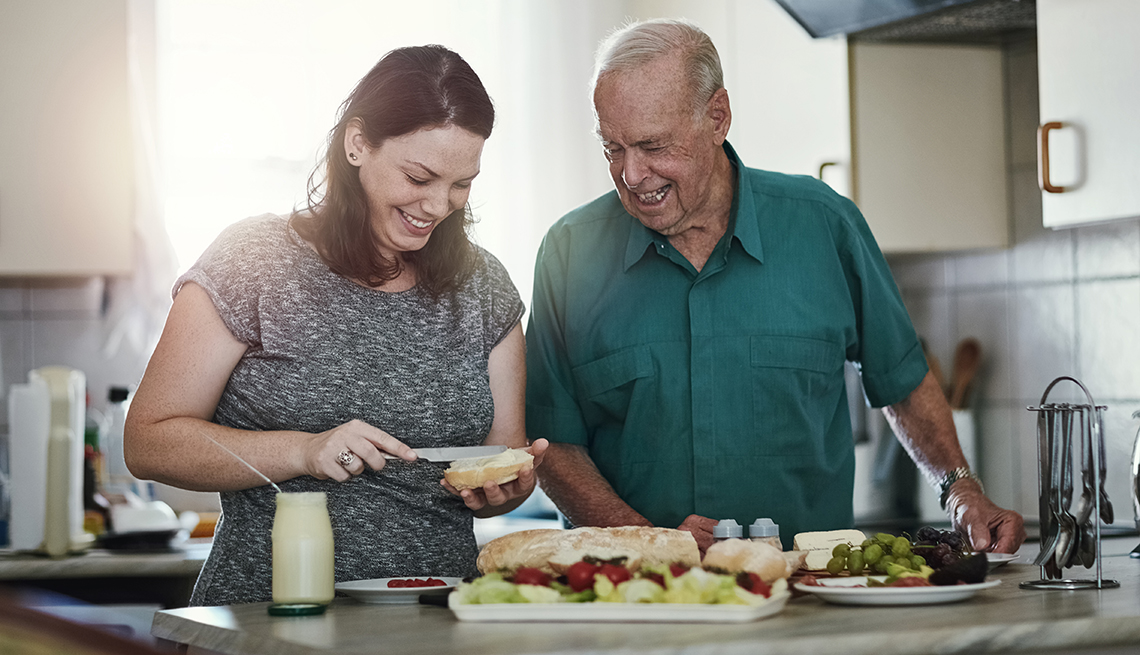
There are several ways caregivers can tailor their meals to their relatives’ health needs (Google images)

My first science experiment was in sixth grade, for our county’s science fair. Over three months, I tested how my grandfather’s blood sugar responded to green leafy vegetables versus brown rice at dinnertime. My mom would prepare traditional South Indian meals including those foods, and my dad would supervise as I measured and administered insulin and recorded my grandfather’s blood sugar levels.

It was the first time I observed how complex it is to feed a relative with a complex health condition.

Today, as a health services researcher studying how family caregivers manage food and nutrition as part of taking care of older family members, I know that helping an older relative eat well doesn’t just support their health. It can also bring them joy, boost their energy, prompt nostalgia or offer a chance for experimentation with flavors.

Too often, caregivers are left to manage these substantial responsibilities alone, with limited resources and information about nutrition. Here’s what you need to know.

Changing nutrition needs

Nutrition needs change with age. Older adults generally need fewer calories, but require more protein, fiber and other nutrients to maintain muscle, bone and overall health.

And the shrinking number and size of taste buds and reduced saliva production can affect which foods people enjoy or are able to eat.

More than 7 in 10 older adults have more than one chronic condition such as diabetes, cardiovascular disease, dementia or osteoporosis. Some conditions are risk factors for developing others—for instance, having Type 2 diabetes raises the likelihood of cardiovascular disease, and both are risk factors for dementia.

Optimal nutrition is critical for managing these diseases—and often for reducing the risk of developing them. Over 60 million caregivers in the U.S. support a relative, friend or neighbor with daily activities, and my colleagues and I have found that roughly a quarter of family caregivers of older adults help with nutrition. They are often responsible for every aspect of providing it—from planning meals to grocery shopping and making sure the food gets eaten.

But different health conditions require different approaches to dietary changes, and those changes can be even more nuanced when someone has multiple conditions. For example, someone with Type 2 diabetes can benefit from eating fewer foods with refined carbohydrates found in cookies, candies and sodas, and more foods high in fiber, protein and fats to stabilize their blood sugar.

If that person also has kidney disease, they might need to restrict their consumption of foods that are high in potassium, such as potatoes and tomatoes as well as foods that are high in phosphorus, such as nuts, to avoid straining the kidneys.

Caregivers often don’t have the knowledge to help them with their nutrition responsibilities, such as making sure the food they provide includes the necessary amounts of macronutrients—proteins, carbohydrates and fats that the body needs. Many are also unsure of how nutrition affects their relative’s health condition and lack training on meal planning, budgeting and cooking for themselves and for a relative with chronic health conditions.

Key kitchen strategies

Online resources, such as those offered by the American Diabetes Association, can provide ideas for recipes as well as information about nutrition and management of specific health conditions. For caregivers who need to make dietary modifications to traditional, non-Western cuisines, resources such as Oldways can provide global culinary examples that meet specific nutritional needs.

A few targeted kitchen strategies, like meal planning, can go a long way toward helping caregivers navigate food decisions and nutrition needs of older relatives. You can start by thinking through what types of foods to include—or to skip—in order to meet your relative’s health needs. For example, they might need high fiber to slow digestion and prevent blood sugar spikes in diabetes. Or, they might need to add dairy to meals for good bone health.

Creating a list of meals for the week based on food groups—such as grains, protein sources, vegetables, fruits and dairy—can help ensure these items are part of each meal. It also enables you to shop with a specific list on hand, which can reduce food waste or spoilage.

One common dietary change for older adults is reducing how much sodium they consume. Packaged and prepared foods are often high in salt because it enhances flavor. To maximize flavor in low-salt foods prepared at home, try experimenting with different spices and herbs. If your relative seems to really enjoy a particular blend, you could even create your own mix to use in a variety of dishes.

In some cases, Medicare will cover the cost of consulting with a dietitian. A dietitian can talk caregivers through their family’s specific concerns and preferences about managing an older relative’s nutritional needs. They can also help families make sure that any dietary modifications safely align with their relative’s health conditions, as well as with their medications and other therapies. Since 2025, Medicare has allowed dietitians to train family caregivers on how to manage special diets for conditions like diabetes or chronic kidney disease, even if the patient isn’t in the room.

Steps like these can help caregivers continue providing this help and might even bring new foods and flavors into the home.

Editor’s note:

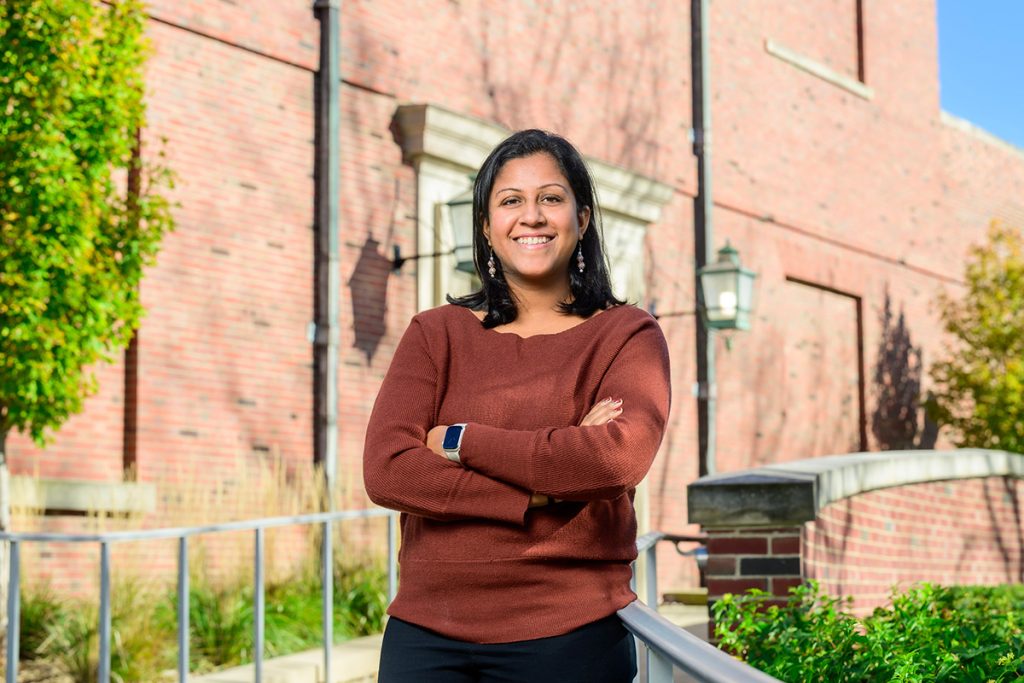
Minakshi Raj is an associate professor in the department of health and kinesiology at the University of Illinois Urbana-Champaign. This story was originally printed in The Conversation and The Washington Post.


Share on social

Related news

The Conversation: Now that the World Cup is over, can host cities turn their investment into a lasting social impact?


The 2026 World Cup has been a real moneymaker for FIFA. Revenues from TV broadcasting rights, ticket sales and other commercial sources are projected to amount to nearly US$11 billion, making it the most financially successful event in the international soccer governing body’s history.

But what about the cities that hosted the tournament’s games? Recreation, Sport and Tourism Professor Yuhei Inoue—with assistance from postdoctoral researcher Alessio Norrito and research assistant Yohan Lee—writes in The Conversation about how the key to answering this question lies in the intangible social outcomes of hosting the World Cup.

Share on social

Related news

Candid Conversations on Leadership: Chancellor Charles Isbell Jr.


Share on social

Related news

San Francisco Chronicle: Stores sell a dangerous drug through this loophole. Can a California lawmaker close it?


Nitrous Oxide is a gas that has a number of industrial uses and is used clinically as an anaesthetic gas for pain relief. (Google images)

HK Assistant Professor Rachel Hoopsick is quoted in this San Francisco Chronicle article on a bill aimed at curbing the widespread misuse of nitrous oxide (“laughing gas” or “whippets”) by closing legal loopholes that allow the product to remain widely available in stores.

Share on social

Related news

CNN: More than half a million American teens are using inhalants. A doctor explains the dangers


Citing a study from HK Assistant Professor Rachel Hoopsick, CNN reported that social media trends are fueling a dangerous form of substance use among teenagers in the United States involving common household and commercial products, including inhaling nitrous oxide, or laughing gas.

Nitrous oxide, or laughing gas, is turning up in cartridges and balloons for recreational use at parties.  (Corinne Poleij/iStockphoto/Getty Images)

Share on social

Related news

News Bureau: How social media promotion and ease of access increase risks of adolescent inhalant misuse


Rachel Hoopsick, Assistant Professor in the Department of Health and Kinesiology, studied teens’ misuse of inhalants in two recent papers. (Photo by Michelle Hassel)

Two new studies co-authored by Health and Kinesiology Assistant Professor Rachel Hoopsick offer insights into the spread of nitrous oxide misuse among adolescents.

What Hoopsick found in two studies: Millions of Americans were exposed to content about recreational nitrous oxide use from just 30 social media videos uploaded in early 2025. And younger teens were more likely to engage in inhalant misuse than older adolescents, with teenage girls being more likely to develop inhalant misuse disorder than boys.

Hoopsick led the two studies with University of Mississippi public health professor Andrew Yockey, who will join the University of Illinois Urbana-Champaign faculty in August.

“Inhalant use can cause serious harm, including neurologic damage, hearing loss, liver and kidney dysfunction, cardiac arrhythmias, psychological dependence and even sudden death after a single episode of use,” said Hoopsick.

The researchers shared more about their findings with the Illinois News Bureau. Read the story online.

Editor’s note:

To reach Rachel Hoopsick, email hoopsick@illinois.edu
To reach Andrew Yockey, email rayocke1@olemiss.edu
 

Share on social

Related news

University Updates: Laura Rice on preventing falls for wheelchair users


HK Associate Professor Laura Rice (right) joined WCIA 3 News for University Updates, to share her research on the risks of falls for wheelchair users. (WCIA 3 News)

The U.S. Centers for Disease Control and Prevention (CDC) reports falls are the leading cause of injury for adults 65 and older. People in wheelchairs are at an even higher risk. That’s a primary focus for Health and Kinesiology Associate Professor Laura Rice and her research at the University of Illinois Urbana-Champaign.

Rice spoke with WCIA 3 News on the University Updates segment, to shed light on fall statistics and how users of wheelchair and scooters can manage the risks of falling.

“A lot of times, the wheelchair isn’t fit for the person very well, maybe they got a hand-me-down that wasn’t set up for them, people don’t have training on transfers when they’re moving the person from one place to another. Those are all very common reasons for falls,” she explained.

Watch the full segment on the WCIA 3 website.

(For more, read the News Bureau’s piece: “Falls are prevalent concern among people who use wheelchairs, scooters.”)

Editor’s note:

To reach Laura Rice, email ricela@illinois.edu.
 

Share on social

Related news

News Bureau: Nature videography replicates the mental health benefits of outdoor activities


RST graduate student Darcy Lu visited several parks and forest preserves in Florida to record video and sounds as part of a study on nature-based videography’s impact on mindfulness and well-being. Lu, who collected the samples while studying at the University of Florida in 2022, recently published her findings in the Journal of Sustainable Tourism. (Photo by Fred Zwicky / University of Illinois Urbana-Champaign)

New research led by a scholar at the University of Illinois Urbana-Champaign suggests that watching and creating videography of scenic locations cultivates nature-based mindfulness — conveying the same cognitive and emotional benefits as outdoor activities and fostering a deep sense of connection with nature.

Yue (Darcy) Lu, an Illinois doctoral student in Recreation, Sport and Tourism at the College of Applied Health Sciences, conducted a two-phase study that began with an ethnographic exploration of her experiences with mindfulness while she was recording audio and video of scenic destinations in Florida for another project.

Lu text-mined more than 3,000 reviews — which included videography of cherry blossoms and forest bathing in Japan, a live wildlife safari in South Africa and a sunset hike with a geologist in Thailand — to explore whether immersive digital experiences offered the same benefits as physical engagement with nature.

Read the full story online by Illinois News Bureau research editor Sharita Forrest.

Editor’s note:

To reach Yue (Darcy) Lu, email yuel12@illinois.edu

The paper “Videography-facilitated nature-based mindfulness at natural destinations” is available online.

DOI: 10.1080/09669582.2026.2614551
 

Share on social

Related news

College of Applied Health Sciences
110 Huff Hall
1206 South 4th Street
Champaign, IL 61820
(217) 333-2131