Oct. 26, 2026 | Vince Lara-Cinisomo
Inspired by mentorship, Camille Birt helps students discover unexpected futures
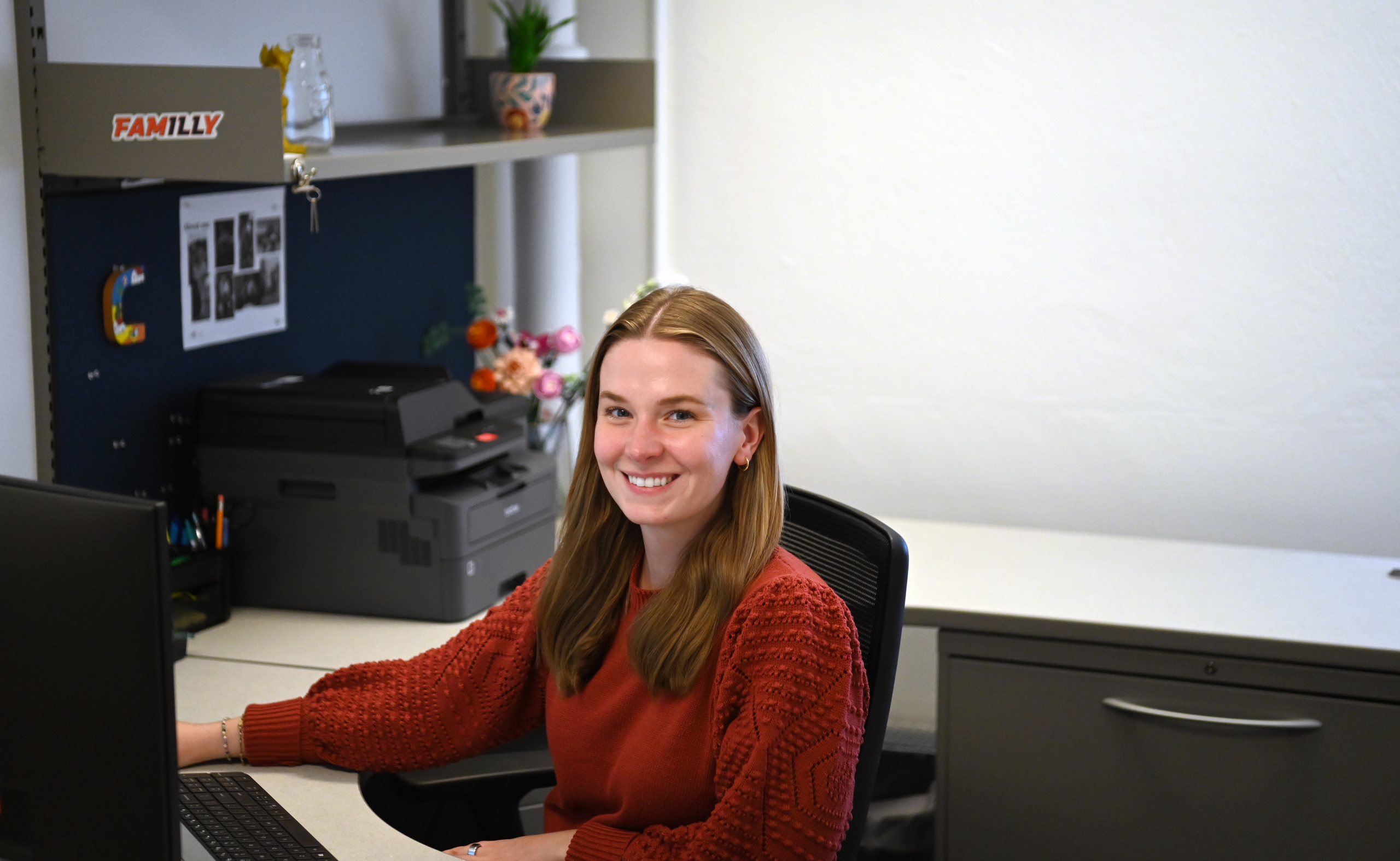
Camille Birt knows an internship can change a career because a mentor helped shape hers.
While pursuing her master’s degree at Northern Illinois University, Birt found an example of the professional she hoped to become in her graduate internship supervisor, Beth Squires. Through the challenges of the COVID-19 pandemic, Squires offered honest advice while maintaining her composure, optimism and enthusiasm.
Now, as the new coordinator of internship programs in the Department of Health and Kinesiology at the University of Illinois Urbana-Champaign, Birt wants to offer students that same combination of encouragement and perspective.
“My relationship with Beth, both personally and professionally, inspired me to pursue a similar role in the future: one where I can motivate students, help them recognize their potential, and encourage them to become their best selves in an ever-changing world,” Birt said.
Birt brings experience in community health and workplace safety to the position. Previously, she was program manager of community health at OSF HealthCare and health and safety coordinator at ClarkLindsey. She holds a master’s degree in public health from Northern Illinois.
Health and Kinesiology Department Head Kim Graber said Birt’s work at OSF brought her into direct contact with many of the department’s student interns and program faculty, giving her a strong understanding of the program and interns’ needs.
“In addition to the knowledge and experience I knew she would bring to the program, I found her to be outgoing, friendly and thought she had the disposition to work well with our undergraduate students,” Graber said.
The Illinois position offered a chance to connect that professional background with a goal of supporting students. Birt said the energy of student life drew her to the university, where she can share practical knowledge with people eager to make a difference in health care and their communities.
Her interest in that work also grew through serving as Squires’ teaching assistant in several undergraduate courses. The experience gave her another opportunity to work with students while learning from a public health leader.
At OSF, Birt developed a perspective she hopes students carry into their careers: pay attention to the people who can be overlooked.
Her work brought the needs of vulnerable populations into focus, including older adults, children, people with disabilities and those facing illness. Amid the demands and complexity of health care, she learned to concentrate on the people who needed help.
Learning what you don’t want to do can be just as important as discovering what you do (want to do).
Camille Birt
Coordinator of internship programs, Health and Kinesiology“I believe it is just as important to teach humanity as it is to teach professionalism,” Birt said.
That principle shapes how she thinks about preparing students for the workplace and their responsibilities there. Professional skills matter, but so does remembering the people and communities that inspired a student to enter the field.
For Birt, a successful internship develops both. Students should practice teamwork, communication and professionalism; build connections; and gain a realistic understanding of their chosen field. They should also discover something about their strengths, interests and sense of purpose.
Sometimes, that discovery means changing plans.
In previous roles supervising interns, Birt worked with students who initially intended to pursue medicine. Through coursework and practical experience, some became interested in preventive care, community wellness or public health outreach.
Those shifts, she said, demonstrate the value of exploring opportunities beyond traditional clinical practice. An internship can confirm a career goal, but it can also reveal a direction a student had not considered.
“Learning what you don’t want to do can be just as important as discovering what you do (want to do),” Birt said.
That outlook leaves room for students to question a path they may have envisioned for years. Rather than treating uncertainty as a setback, Birt sees exploration as part of learning how to contribute.
She applies a similarly broad definition to the internship program’s success. Placement numbers are one measure. Lasting relationships with community partners, supportive mentors and students prepared to take their next professional steps matter, too.
“We’ve been very impressed with what she is doing to further enhance the internship program,” Graber said.
Alumni can help create those conditions by hosting interns and giving them opportunities to participate in the work of an organization.
Birt said strong placements include meaningful projects, staff meetings, networking opportunities and community initiatives. Students need guidance from supervisors, along with chances to take on challenges, contribute and develop independence.
Her office can connect organizations and alumni with students, help facilitate placements and offer guidance to make the experience rewarding for the student and the host.
Hosting, however, is only one way to participate. Alumni can offer career advice, make introductions, speak in courses, share job-shadowing opportunities or suggest collaborations. Staying connected through LinkedIn and engaging with students and university colleagues can help sustain that network.
For a student beginning to explore a profession, Birt said, even a conversation can open a door.
It is the kind of connection she experienced with Squires: a relationship that offered practical guidance and a model for what a career could become.
As she begins her work with Illinois students, Birt hopes their internships offer more than experience to list on a resume. She wants students to find purpose in major projects and everyday responsibilities alike—and to leave with stronger skills, greater confidence and a clearer understanding of themselves.
“A meaningful internship should help students feel more confident about their next steps, whether that means pursuing a particular career path or exploring new possibilities,” she said.
Editor’s note:
If you are interested in contributing to the internship program or connecting with students, contact Camille Birt at cegay2@illinois.edu
Share on social