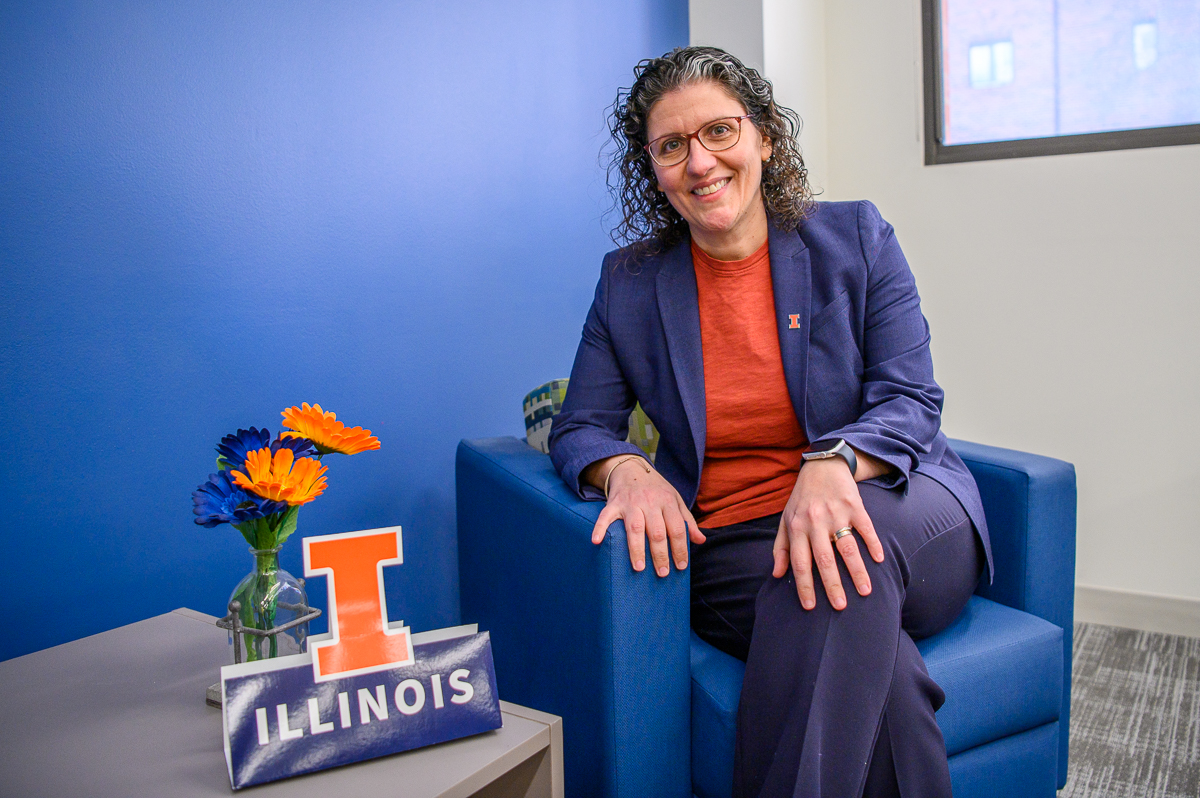
Sally Peterson-Falzone during a mission to China in 2013 (Photo provided)
It is with great sadness that I share the passing of Dr. Sally Peterson Falzone, a distinguished SHS alumna, scholar, clinician, and leader whose contributions to the field of speech-language pathology, particularly in craniofacial disorders and cleft palate, have left an enduring impact on many children and families.
Dr. Falzone earned both her bachelor’s and master’s degrees from the University of Illinois before completing her PhD at the University of Iowa. She was widely respected for her expertise in craniofacial disorders, and her prominent leadership/involvement in several organizations.
Among her many accomplishments, Dr. Falzone served as President of the American Cleft Palate-Craniofacial Association and was deeply involved in the Society for Ear, Nose and Throat Advancements in Children (SENTAC) and numerous other professional organizations. Her influence extended far beyond her clinical and scholarly contributions. She was a dedicated mentor, a trusted colleague, and a passionate advocate whose work helped shape the field and inspired many clinicians.
As Judy Le Duc, who had the privilege of working alongside Sally for many years at the University of Illinois Medical Center, reflected, Sally was “a scholar, academician, and clinician” who devoted herself entirely to serving children with craniofacial conditions. Those who knew her personally speak not only of her professional accomplishments but also of her generosity, compassion, and commitment to others.
Dr. Falzone was also a longtime friend and supporter of our Department and the College of Applied Health Sciences. We are deeply grateful for her many contributions to our profession.
On behalf of the Department of Speech and Hearing Science, I extend our heartfelt condolences to Sally’s family, friends, former colleagues, and all those whose lives she touched.
Her legacy will continue to live on through the many clinicians she mentored, and the countless children and families who benefited from her care and advocacy.
With sympathy and gratitude,
Georgia Malandraki
Shahid and Ann Carlson Khan Professor of Applied Health Sciences Department Head Department of Speech and Hearing Science
The awards reflect a shared commitment to translating innovative research into meaningful clinical and developmental outcomes
Six SHS faculty members secured funding this summer. (Google Images)
Faculty in the Department of Speech and Hearing Science are launching newly funded projects that address how children hear in complex environments, how clinicians deliver swallowing rehabilitation, how early language and literacy interventions can be tailored to families and classrooms, and how educators can put statewide literacy policy into practice. These awards continue the department’s exceptional momentum in research funding, adding to a vibrant portfolio of active externally sponsored projects that advance scientific discovery and improve lives. Together, the awards reflect a shared commitment to translating innovative research into meaningful clinical and developmental outcomes.
Associate Professor Justin Aronoff is a co-investigator on “Functional Spatial Hearing in Reverberation by Pediatrically Implanted Children and Young Adults,” a project led by principal investigator Ellen Peng at Boys Town National Research Hospital. The award totals $3,353,690, with a $202,974 subaward coming to the University of Illinois.
The project focuses on children with severe-to-profound hearing loss who use bilateral cochlear implants. Although the devices partially restore spatial hearing, everyday settings such as noisy, reverberant classrooms can still make it difficult to locate sounds and separate a speaker’s voice from competing noise. Researchers will examine how room reverberation and cochlear implant signal processing work together to shape functional spatial hearing.
Using psychophysical methods and realistic simulations of reverberant spaces, the team will study auditory image perception, spatial acuity and spatial unmasking. It will also consider developmental and hearing-related factors that may influence performance. The findings are expected to clarify gaps between pediatric cochlear implant users and peers with typical hearing and inform future work on personalized bilateral fitting strategies.
Assistant Professor Mariana Mendes Bahia, Julia Carpenter and Kelly Rogers received a $9,994 Shirley Ryan AbilityLab Catalyst Grant for “Practice Patterns in Dysphagia Rehabilitation: From Characterization to Practice Improvement.” Dysphagia, or difficulty swallowing, is common among people with neurological, oncological and other conditions, but research reports and clinical documentation often provide limited detail about what treatment is delivered and how it is implemented. Carpenter and Rogers are from the Shirley Ryan Ability Lab, where Carpenter is a practice leader in SLP and Rogers is a swallowing clinician.
The team will use the Rehabilitation Treatment Specification System, a framework for describing treatment targets, ingredients and mechanisms of action, to analyze dysphagia rehabilitation data. Researchers will characterize practice patterns across care settings and diagnoses, examine connections between rehabilitation practices and patient outcomes, and identify practical opportunities for quality improvement. By making treatment approaches more visible and comparable, the project aims to strengthen both clinical practice and future research.
A third project brings together Charles and Kay Stenberg Endowed Professor in Disability Research Pamela Hadley, the former SHS department head, Emily Harrington, assistant professor in Special Education and an SHS alumna, and Matt Lambert, professor and head of Special Education. Their two-year, $426,559 exploratory/developmental R21 award from the National Institute on Deafness and Other Communication Disorders supports “Leveraging Extant Data to Characterize Language Growth and Optimize Caregiver-Implemented Interventions for Children with Late Language Emergence.” The award runs from Aug. 1, 2026, through July 31, 2028.
Led by principal investigator Harrington, the researchers will analyze existing data from a randomized controlled trial of Enhanced Milieu Teaching-Sentence Focused, a caregiver-implemented intervention. They will trace vocabulary growth from 30 to 39 months and sentence development from 36 to 45 months, while examining how intervention strategies, children’s uptake of those strategies and participant-level factors shaped individual trajectories.
Results will help identify which intervention components work best at different developmental points. That evidence can guide the design and evaluation of brief, targeted approaches capable of reaching more children with late language emergence and their families.
SHS Associate Professor Laura Mattie’s collaborative research proposal with Founder Professor of Computer Science and Industrial and Enterprise Systems Engineering James Rehg, “Using Developmental Machine Learning to Code Eye Gaze in Down Syndrome and Fragile X Syndrome,” was selected for an 18-month, $29,987 grant from the Social & Behavioral Science Institute.
The project will determine AI’s ability to streamline behavioral coding of eye gaze in young children with Down syndrome and fragile X syndrome by leveraging the AnyGaze AI model. Recent advances in the development of AI models for quantifying nonverbal communication, led by Co-I Rehg, have enabled accurate coding of eye gaze in young neurotypical children and those with autism. However, the AnyGaze AI model has not yet been expanded to other neurodevelopmental disabilities. Additionally, the team will train the AnyGaze AI model to single, dual, and triadic gaze shifts, which are important for classifying early communication. With this foundation, the team aims to examine the potential clinical applications of the AnyGaze AI model by speech-language pathologists for assessment and treatment planning.
Assistant Professor Meaghan McKenna is principal investigator for “Writing for Reading: A Technology-Based Approach to Literacy Growth,” a $1,876,852 project funded by the U.S. Department of Education’s Office of Special Education Programs through its Stepping-Up Technology Implementation program. Hope Gerde of Texas A&M University is co-principal investigator; Jack Drobisz of the University of South Florida and Pasquale Bottalico are co-investigators. The award runs from Oct. 1, 2026, through Sept. 30, 2031.
The team will add a kindergarten-first grade writing extension to the Electronic Data Management and Expert Decision Making System. Through iterative development, evaluation, scale-up and dissemination, the project will offer job-embedded professional development designed to help classroom teachers strengthen children’s writing and reading achievement.
The project will assess how school administrators, teachers and specialists perceive the Illinois State Literacy Plan and what support they need to implement it effectively. Findings will guide policies that better support educators and strengthen partnerships across the state.
Each project also depends on collaboration across disciplines and institutions, extending the faculty’s expertise through partnerships that connect laboratory measures, clinical records, classroom practice, public policy and family-centered intervention data with the practical challenges experienced by patients, practitioners, educators, children and caregivers every day.
Across the six awards, faculty and collaborators are pairing rigorous methods with questions rooted in daily life: hearing in a classroom, documenting swallowing care, supporting a child’s first words and sentences, strengthening early writing and reading, and helping educators implement literacy policy. These new projects continue a period of remarkable research growth within the department, adding to SHS’ mission of advancing both scientific discovery and clinical practice.
Hearing protection helps musicians safeguard their sound
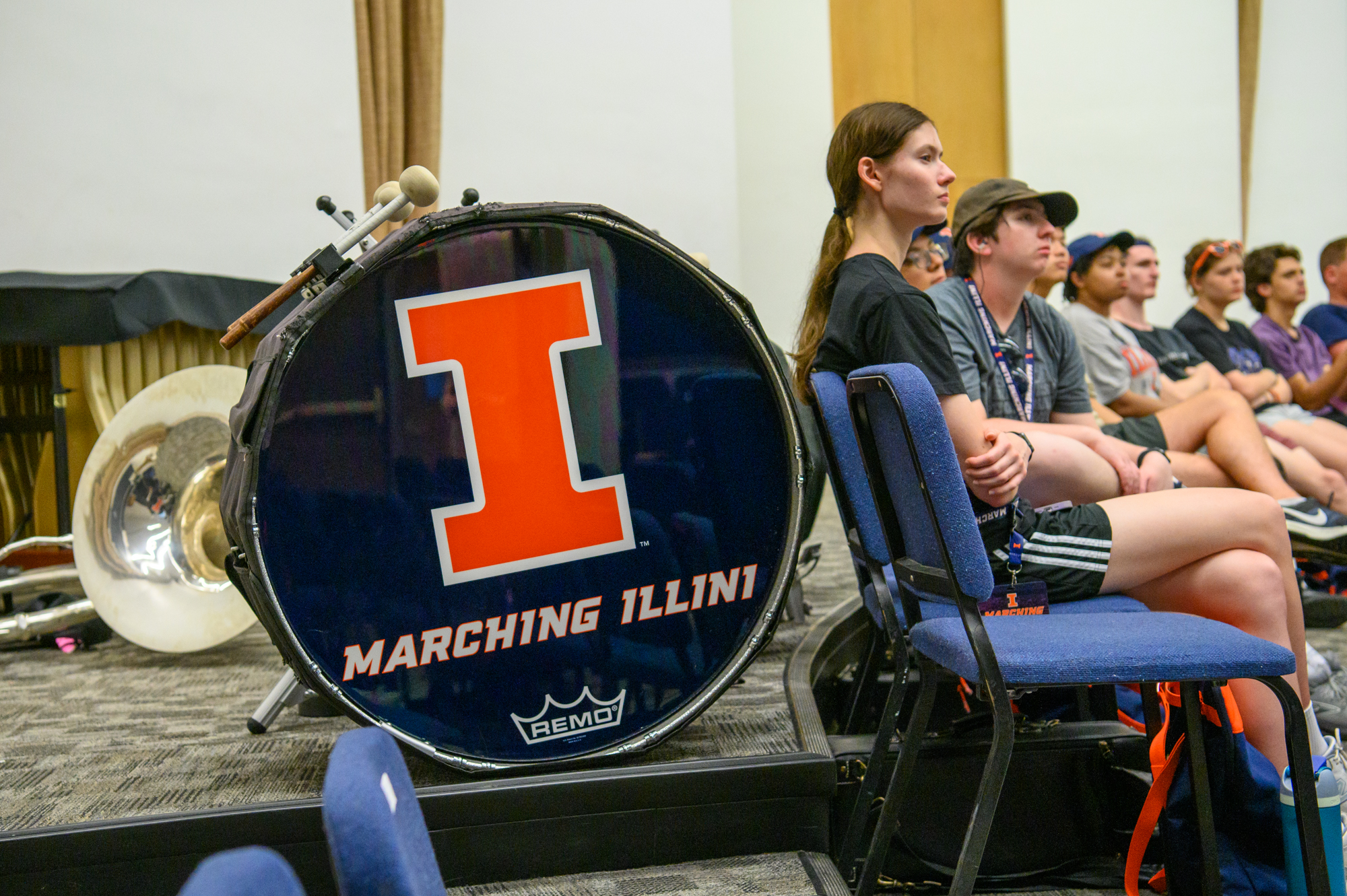
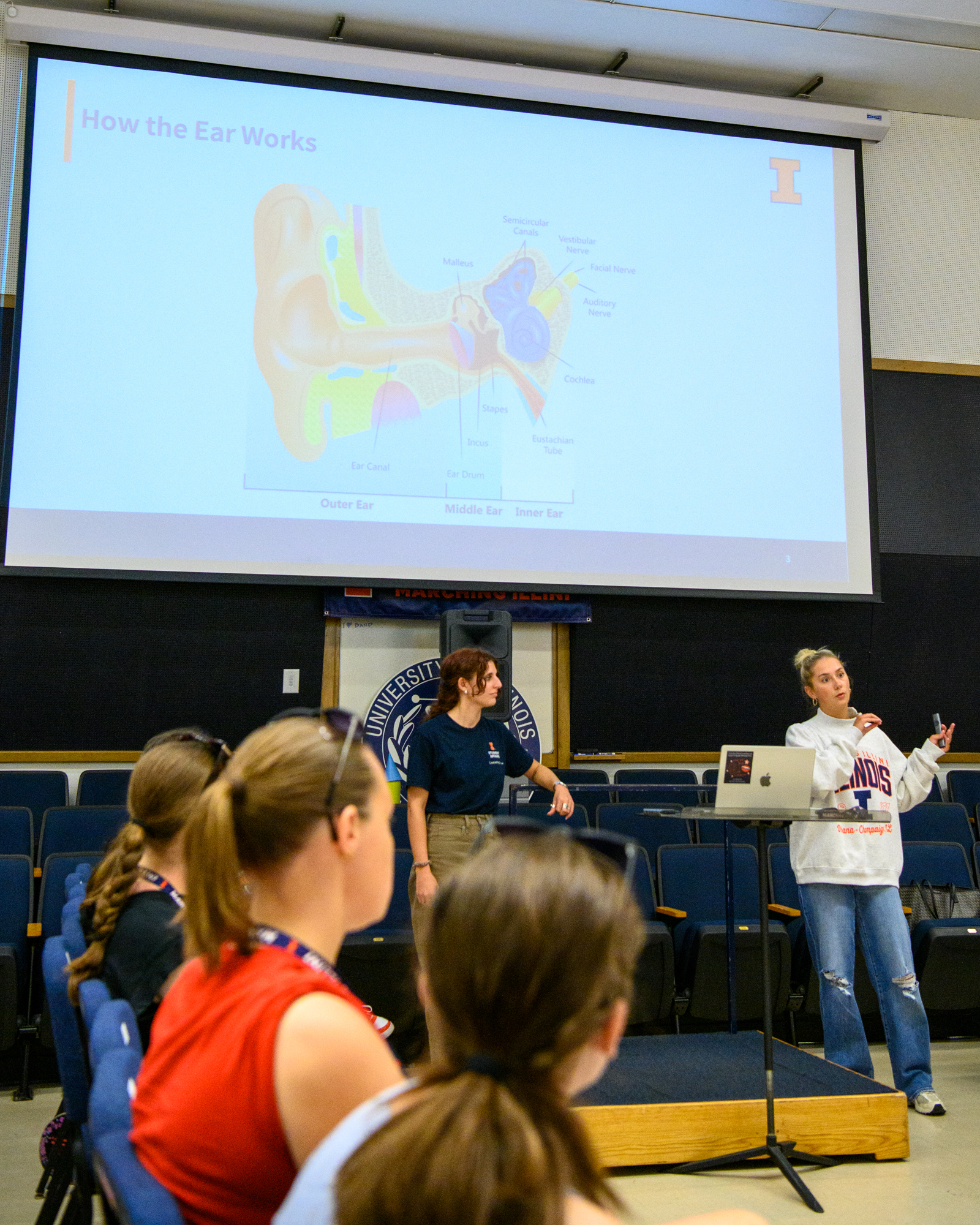
Before incoming Marching Illini members fill Gies Memorial Stadium with music, faculty members and students from the Department of Speech and Hearing Science delivered a lesson designed to help them keep playing for years to come: loud sounds can cause permanent damage long before musicians notice a problem.
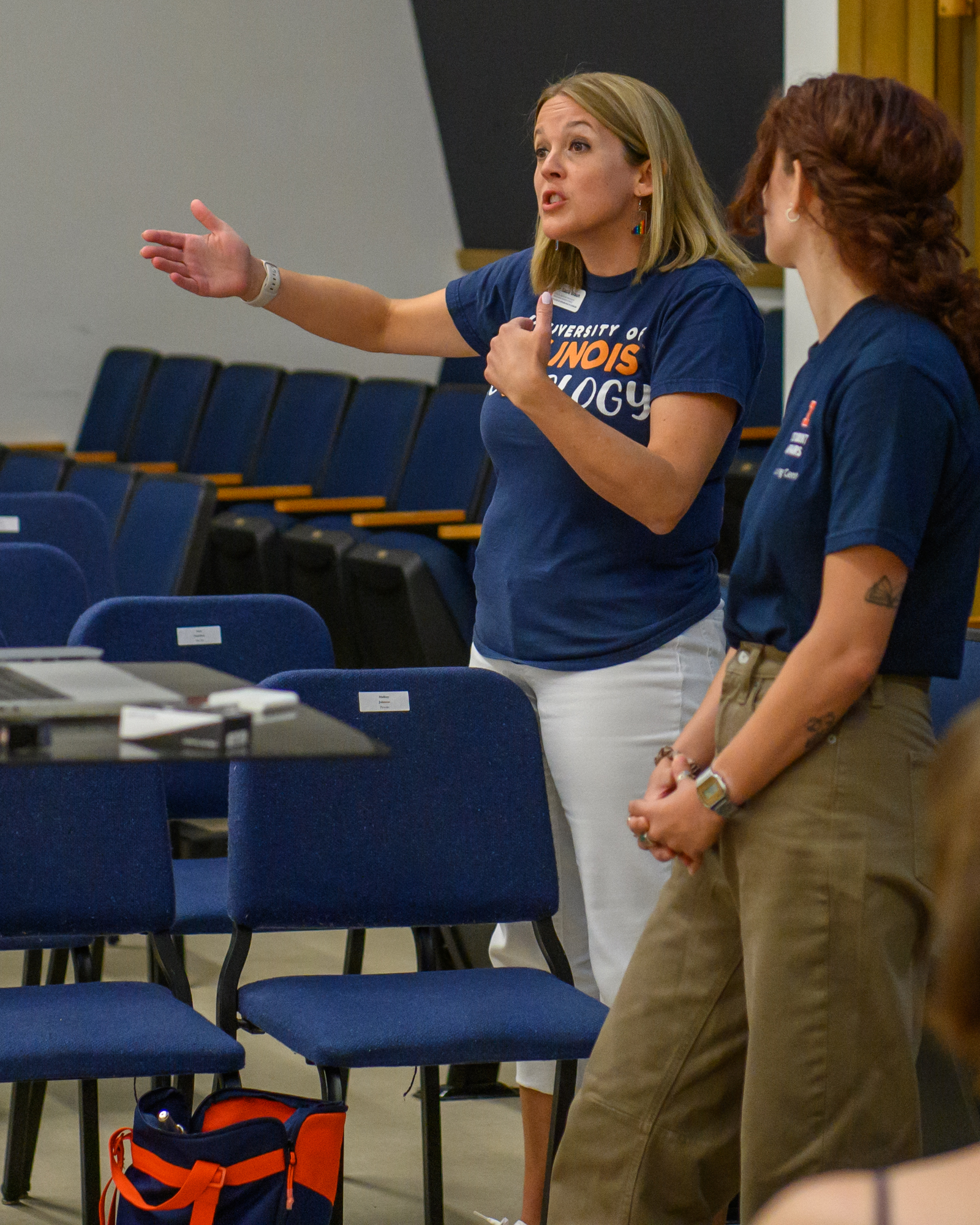
Lauren Stec, left, and Avery Waner talk to members of the Illini Marching Band. (Photo by Ethan Simmons).
SHS Clinical Assistant Professor Sadie Braun, who is an audiologist; and doctoral audiology students Lauren Stec and Avery Waner presented information about noise exposure and hearing protection during the band’s preseason training. The annual session takes on added significance this year as the university completes the largest main video display in college football at Gies Memorial Stadium—another powerful source of sound in an already loud environment.
Braun said one of the presentation’s most memorable images shows healthy sensory hair cells in the inner ear alongside cells damaged by significant noise exposure.
“It’s a pretty shocking picture,” Braun said. “I think just seeing it in such vivid terms like that, it really does catch some of them by surprise.”
Those cells play an essential role in hearing, but damage caused by repeated exposure to excessive noise generally cannot be reversed. A single impact sound, such as a nearby gunshot or firework, can cause a temporary hearing loss that may improve over days or weeks, Braun said. Hearing loss that accumulates gradually is usually permanent.
The effects also may not become apparent immediately.
“They could be exposed right now, thinking this isn’t a problem, I’m hearing just fine,” Braun said. “And then 20, 30, 40 years from now, that noise damage can show up and cause hearing problems.”
That delayed effect can make hearing conservation a difficult concern to communicate to college students. Some musicians understand the risks, particularly if they know someone with hearing loss, Braun said. For others, it is not something they have considered.
“You’re not thinking down the road about the impacts of some of the stuff you’re doing if nobody’s ever talked to you about it before,” she said.
Marching Illini Director Barry Houser said many band members began playing instruments in fifth or sixth grade without receiving hearing-conservation instruction. The topic also is not typically part of the curriculum when students advance to high school marching bands, he said.
20, 30, 40 years from now, that noise damage can show up and cause hearing problems.”
Sadie Braun
Clinical Assistant Professor, Speech and Hearing Science
Braun and SHS Associate Professor Pasquale Bottalico visited sixth grade band students at Franklin STEAM Academy in Champaign to educate them about the effect of noise exposure and also to take noise measurements of their classroom, at the request of Franklin’s band teacher.
At Illinois, the risk is amplified by the size of the ensemble. More than 400 musicians rehearse indoors for four days during preseason training. Even when the band moves outside, instruments remain close to musicians’ ears.
Then comes game day, with instruments, amplified audio and tens of thousands of cheering fans contributing to the sound.
“A lot of people think, well, we’re outside, so it’s not going to impact you to the same extent,” Houser said. “… then you get into the football setting—60,000 people yelling. This Megatron video board, largest in college football, and that volume that’s going to be coming out of that. It all contributes.”
The south end zone video display will measure about 69 feet high and 250 feet wide, covering more than 17,300 square feet. It is part of a 16-display project scheduled for completion before the 2026 football season, according to the University of Illinois Division of Intercollegiate Athletics.
Sadie Braun said hearing loss that accumulates gradually is usually permanent. (Photo by Ethan Simmons)
Within the band, percussionists face some of the greatest exposure. Houser said the 36-member drum line can collectively produce sound approaching the level of a jet engine, depending on a listener’s proximity. Braun said musicians closer to the center of the band also may experience more sound from surrounding instruments than those positioned along its edges.
Risk depends not only on volume but also on duration. A level that might be tolerated briefly can become dangerous during a 30-minute or two-hour rehearsal.
Houser said the band provides hearing protection so cost does not prevent students from taking an initial step. The presentation also introduces them to other options and to hearing services available on campus.
Band members receive hearing protection that reduces sound by an average of about 15 decibels, Braun said. The university’s audiology clinic also offers custom musician earplugs made from impressions of a person’s ears, with a discount available to Marching Illini members.
The partnership between the band and speech and hearing science has existed for years, though it was interrupted at times, including during the COVID-19 pandemic. Braun said the program initially included the entire band but now focuses on incoming members. Houser, who is beginning his 16th year at Illinois, said the sessions have been offered during most of his tenure.
Students do not often approach him with questions afterward, Houser said. Their most common response is simpler: they had no idea.
For musicians, preserving hearing is tied directly to preserving their craft. Players must hear themselves clearly to monitor their sound, maintain pitch and adjust to the ensemble around them, Braun said. That ability is particularly important for students who hope to continue performing after college or pursue careers in music.
Houser said hearing from audiology experts gives band members both practical guidance and the science behind it.
This University of Illinois summer camp provides a fun space for kids to hone their abilities with augmentative and alternative communication. Future speech-language pathologists get hands-on experience with AAC before entering the field, filling an important gap.
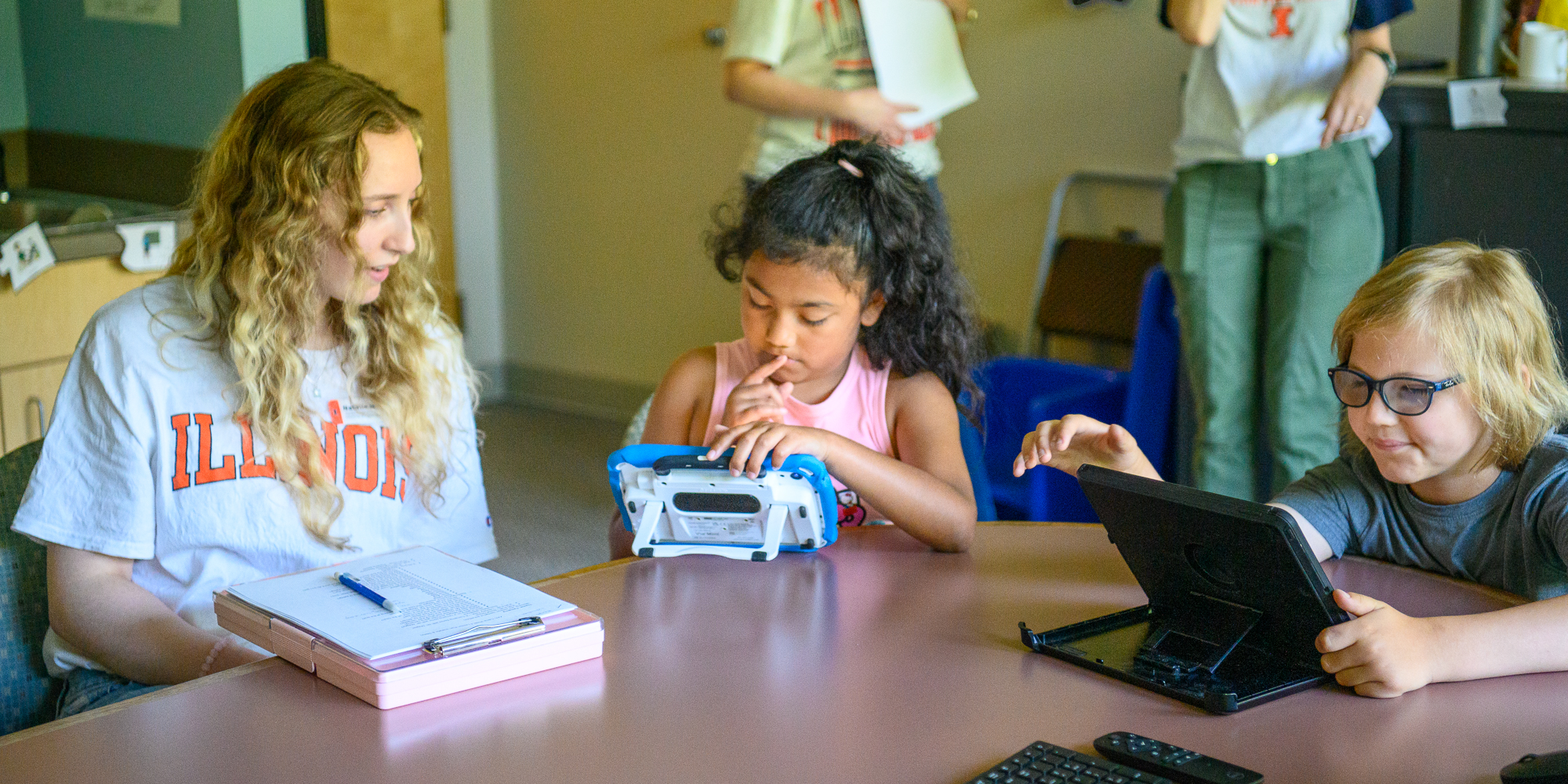
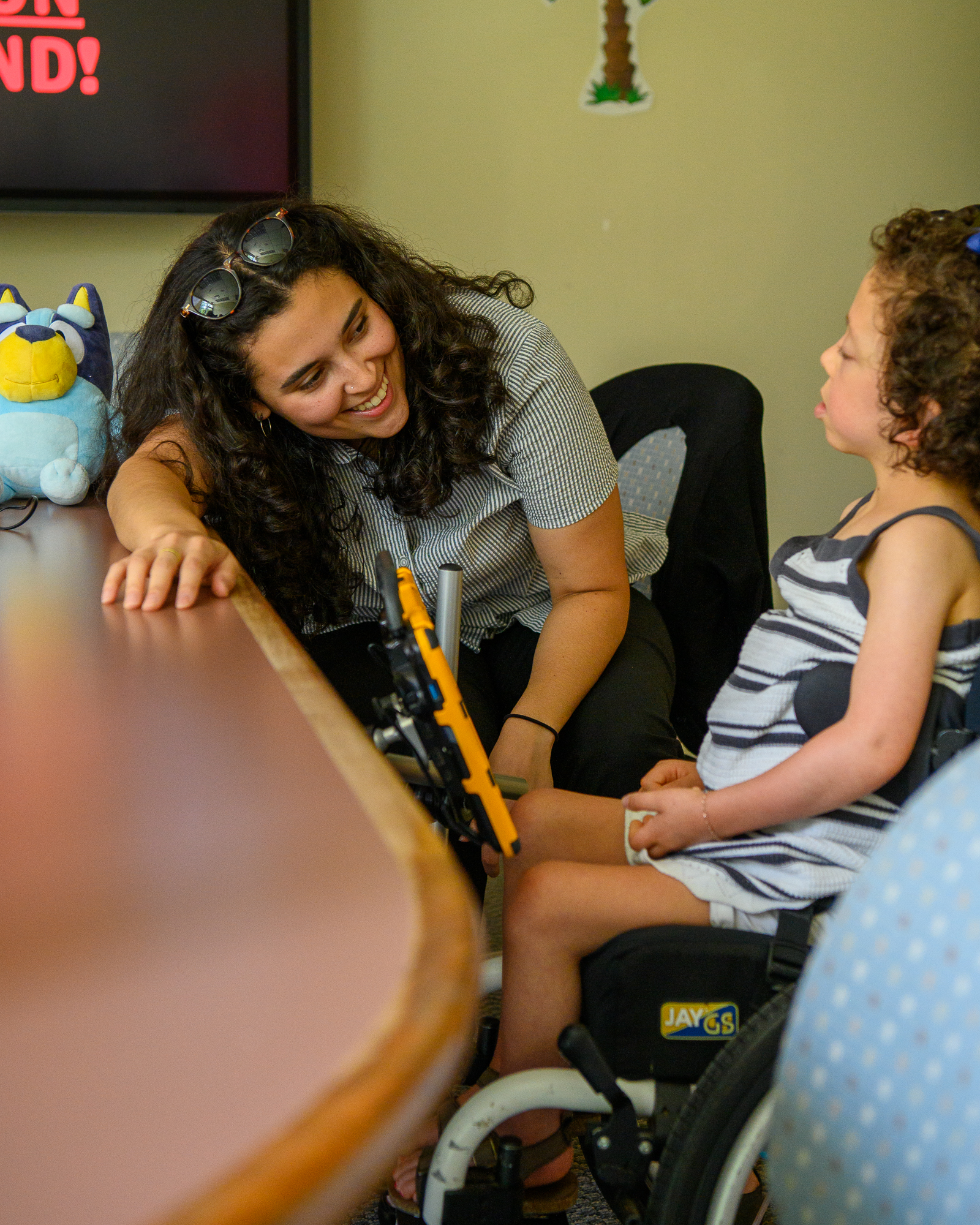
Graduate student speech-language pathologist Natalie Mahalla (left) works with campers in AAC camp, which teaches kids with speech and communication disorders how to use augmentative and alternative communication.(Photos by Ethan Simmons)
Midway through his third session of Augmentative and Alternative Communication Camp at the University of Illinois, one elementary schooler wanted to say “yes” with a little more oomph.
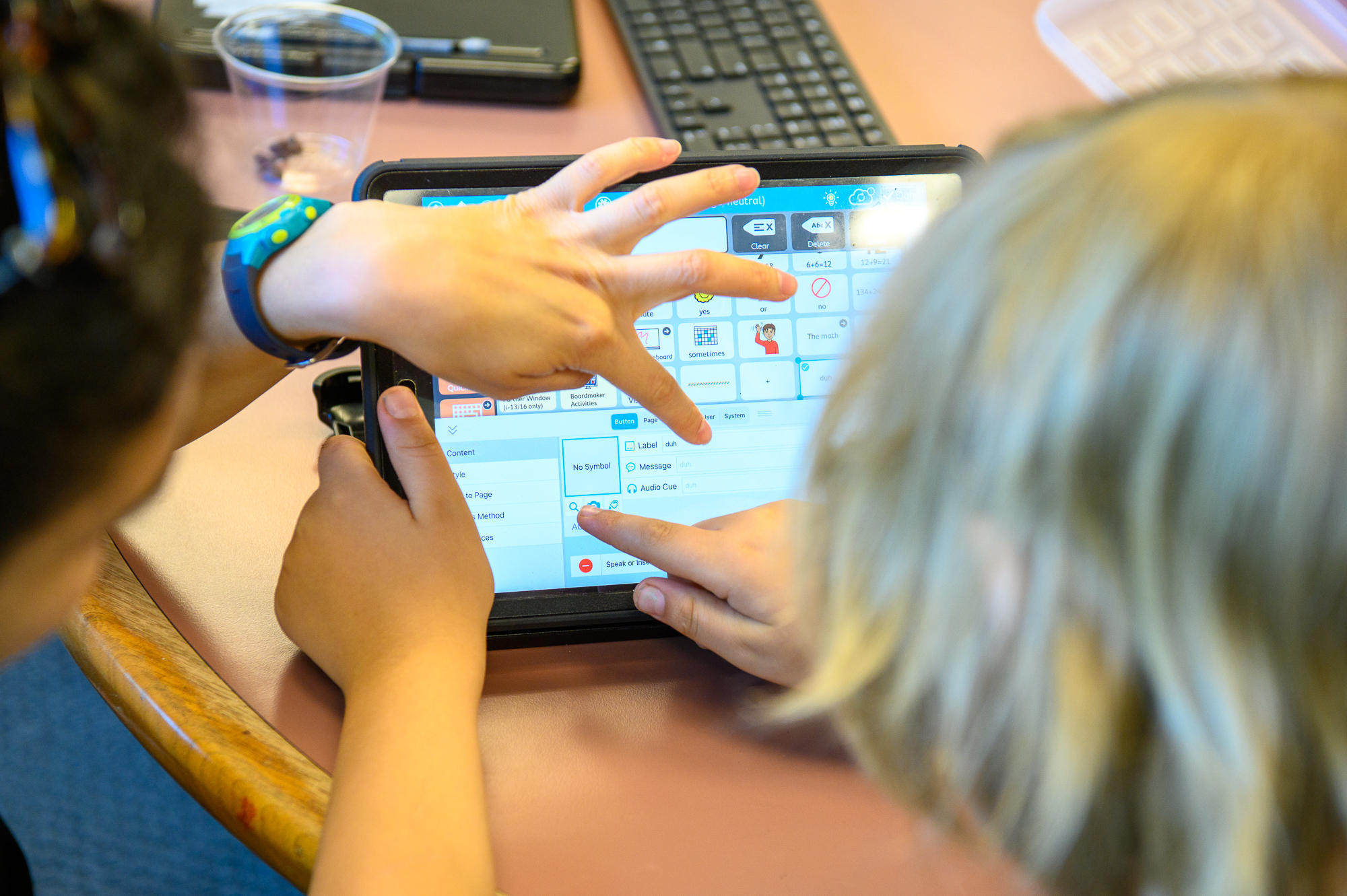
So he grabbed his AAC device—a tablet with an array of common words and phrases that speak when clicked—and typed in a new word of his own: “Duh,” with a rolling-eyes emoji for effect.
“This was an example of how AAC can help a child communicate like any other kid who wants to be silly or tease his friends,” said Stella Shiffrin, a U. of I. graduate student studying to become a speech-language pathologist, who was this camper’s one-on-one clinician. “It was very funny, yet socially relevant and useful.”
For the second year, faculty and graduate students at the Department of Speech and Hearing Science at Illinois hosted a summer camp for local children to practice their skills with AAC devices, and meet other kids with similar communication needs.
Augmentative and alternative communication, or AAC, is an umbrella term for the methods that nonspeaking or minimally speaking people use to communicate.
In practice, AAC can mean techless options, such as sign language and gesturing, or text-to-speech devices, like the kids in camp used this summer.
The camp is designed and run by Speech and Hearing Science Assistant Professor Savanna Brittlebank and Clinical Assistant Professor Andrea Burie, who support AAC implementation among children from academic and clinical perspectives.
A child at the AAC Camp at the University of Illinois Urbana-Champaign clicks a word on their device to speak.
Common users of AAC include individuals with autism, cerebral palsy, and other intellectual and/or physical disabilities who experience difficulty using speech for functional communication. Roughly one-third of children on the autism spectrum are nonspeaking, according to recent estimates. While a spoken conversation can employ anywhere from 150 to 250 words per minute, AAC users might convey eight to 10 words per minute.
“If you’re a child who grows up using AAC, you might be the only one in your class or in your grade or even in your school who uses AAC to communicate,” Brittlebank said.
“Being able to be in a room with other children who use AAC helps normalize it, it helps their social skills just having an example from peers, which helps them build friendships, too. It helps them realize they’re not the only one who communicates in that way.”
A hands-on experience
What was new in the second go-around was a short AAC “boot camp” for the graduate student clinicians, which clearly boosted their confidence working with the campers and the AAC tech that each of them used.
Also, they served more kids this year. Seven campers between the ages of 5 and 10, including a couple of returners, joined the Thursday sessions for six weeks this summer; five campers joined last year. The days were split into two sessions, with one designed for more medically complex children.
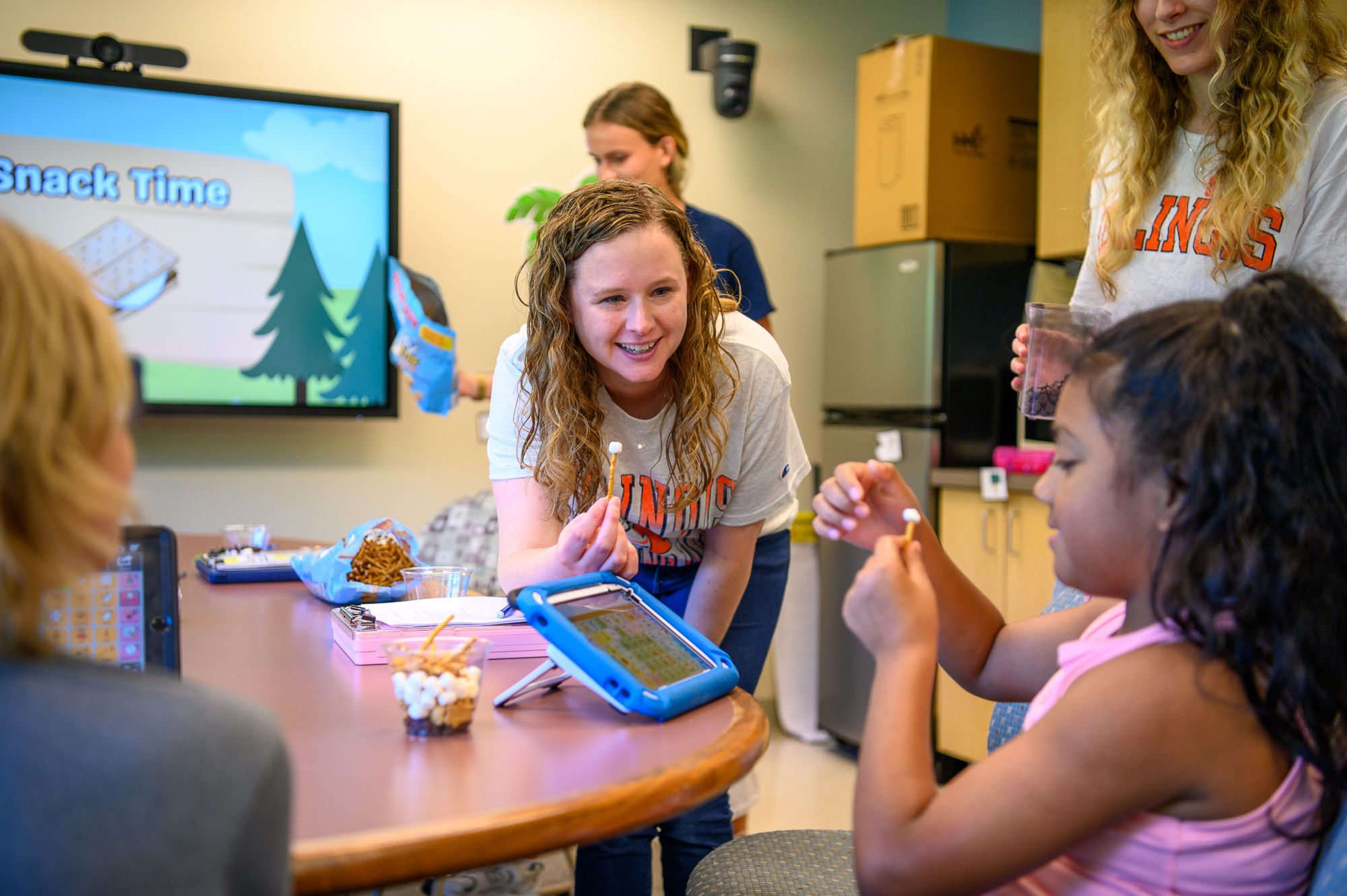
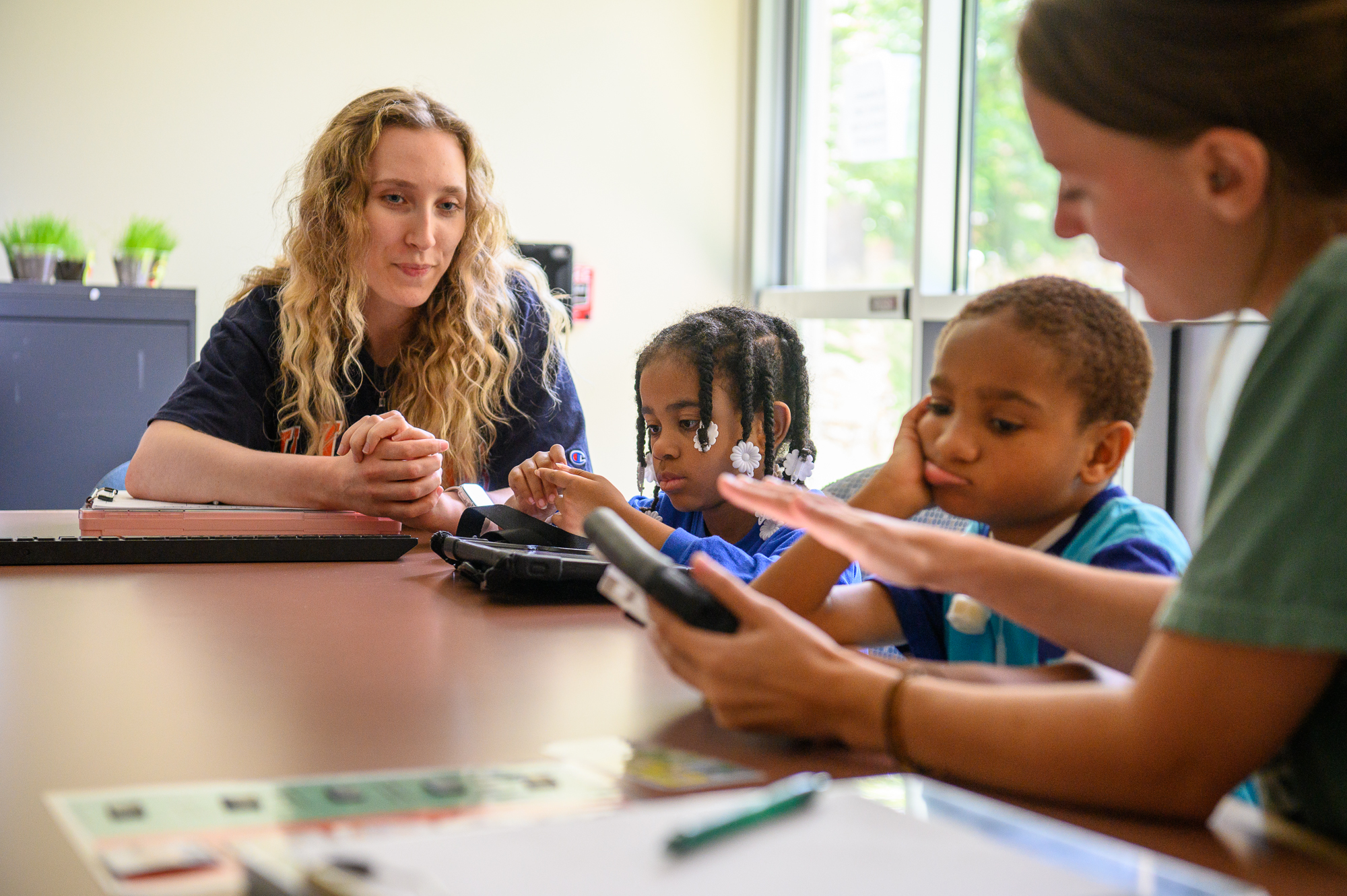
At AAC Camp, facilitators hosted interactive, crafty games each day with the campers, with fun asides and simple conversations to help the kids make meaningful steps toward improving their vocabulary and literacy while adopting the technology. In addition, each kid got one-on-one time with a student clinician, supervised by faculty.
This experience is critical for Speech and Hearing Science students who are training to be speech-language pathologists. Each of them must spend at least 375 hours working directly with patients in a supervised setting before obtaining their degree and licensure.
“They’re able to have a lot of hands-on, in-depth experience with this [AAC] population that is typically underserved in our field,” Burie said. “This is trying to target that gap in speech-language pathology training.”
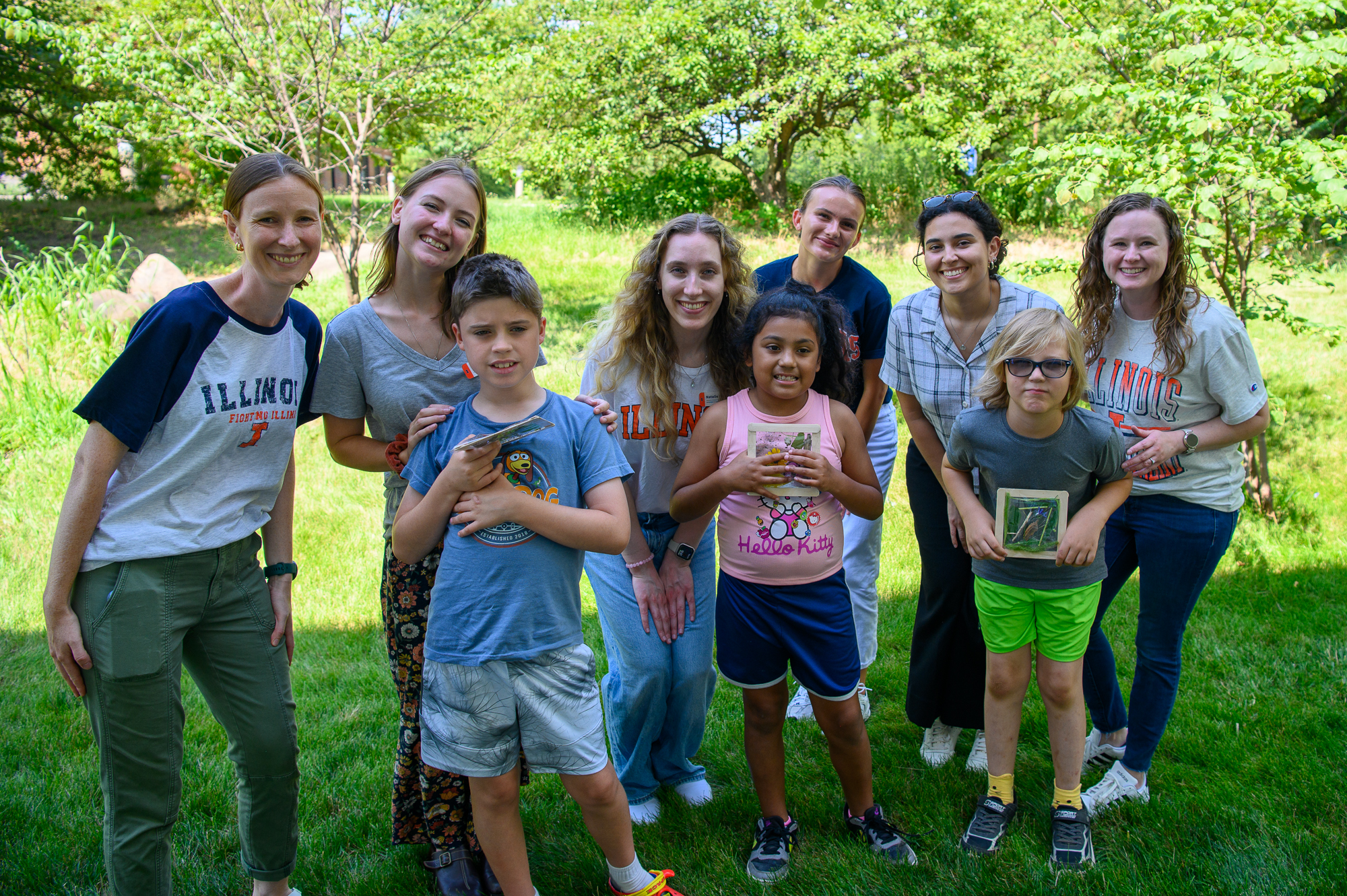
On one humid day, the campers went outside with their clinician partners and went on a nature scavenger hunt, picking up branches, plants and flowers to show at the session, then described what they found using their devices. One camp favorite theme was “Summerween,” where the kids walked around the rooms of the Audiology and Speech-Language-Pathology Clinic for trick-or-treating.
Graduate student speech-language pathologist Stella Shiffrin works with a camper in AAC camp. This summer saw two sessions each week, with one designed for more medically complex children.
“Something that is really fun about the camp setting is that it naturally facilitates social communication between peers,” said Natalie Mahalla, who’s heading into her second year of the speech-language pathology master’s program. “We can model and prompt on the device all we want, but to see the kids use their devices to be able to connect with their peers socially was really fulfilling.”
Camp facilitator Andrea Burie joined the faculty of the Department of Speech and Hearing Science in August 2024, after nine years as a speech-language pathologist in Champaign Unit 4 Schools. Her connection to the district helped her find families that could participate in the AAC camp during its first run in summer 2025.
For Burie, her familiarity with AAC started in the home. Her oldest sister, Alison, was born with a severe physical and cognitive disability, which required the use of AAC support to communicate beyond a few vocalizations.
Alison used voice-output switches and speech-generating devices throughout her school years, but their family received “very limited” training on how to support AAC use at home, so Alison’s use of the tech tapered off after she left the school system, Burie said.
“I understand the challenges families can face when trying to incorporate it into everyday life,” Burie said. “Now, as an SLP, it’s been a passion of mine to help families find simple, meaningful ways to support AAC device use in the home.”
Activities also go home with the campers. Families were given an “AAC Bingo,” filled with prompts to help their kids use the AAC devices outside of the camp. One square asks them to go outside and identify three things they see with their device; another asks the user to describe what they liked most about their meal.
“The goal isn’t to add more work to a family’s day but rather to highlight communication opportunities that already exist within everyday routines and moments,” Burie said.
Evidence-based approach
Andrea Burie (center), assistant clinical professor at the Department of Speech and Hearing Science, holds up a snack during AAC Camp.
Through all the fun games and crafts, the summer AAC camp is designed with the latest educational approaches in mind, specifically how kids develop language—and social skills—if they aren’t communicating with speech.
At AAC Camp, the facilitators are keen on getting the kids to ask questions with the help of their devices.
“In typical language development, requesting and social communication actually develop in tandem,” said Brittlebank, who joined the College of Applied Health Sciences in 2024. “But when we provide intervention, sometimes the social piece is overlooked. How do we build that? Taking turns is that underlying piece. And a lot of that is how we ask and answer questions.”
Among augmentative and alternative communication users, literacy needs are critical. An estimated 90 percent of individuals who use AAC graduate high school without functional literacy skills.
Part of this has to do with traditional literacy curricula, which draw heavily from phonics—the sounding out of words—to teach reading. Nonspeaking children have to rely on different approaches.
“There are evidence-based curricula that exist that have non-speech responses, but they’re not very well known or widely implemented, and so we’re drawing on those curricula that exist to support literacy instruction,” Brittlebank said. “Unfortunately, it’s a barrier in practice and the field in general. There is a huge push right now to improve literacy outcomes for individuals who use AAC.”
At AAC Camp, facilitators used visual aids, such as a kid’s photograph from their family’s trip to a baseball game, to spur on the conversation each day.
‘Does it make you happy?’
With many of the campers still learning the ins and outs of their AAC devices, patience was key for the student clinicians working with each child as they formulated their thoughts in new ways.
The AAC camp is a learning experience for the clinicians, too: faculty facilitators model how to intervene with the campers, then slowly go more hands-off as the camp progresses.
The student clinicians learned to adapt the activities to the child’s unique interests, Shiffrin said: “This makes therapy more meaningful and fun for them.”
Learning AAC can be a tedious process, but parent feedback from the camp has been promising. One parent shared that this was the first summer camp their child had ever attended; others talked about how their child made new friends; or were fascinated to see other kids’ AAC devices for the first time, according to a survey collected by facilitators.
At one session, student clinician Chesney Hassett asked, “Who likes our time together, talking to each other?” The campers raised their hands in agreement.
“Does it make you happy?” she asked. One camper nodded, then clicked the word on his tablet: “Duh.”
Graduate student clinicians and campers at AAC camp pose outside of the Audiology and Speech-Language Pathology Clinic at the University of Illinois Urbana-Champaign after a scavenger hunt. AAC Camp is a summer camp, now in its second year, that teaches kids with communication and speech disorders how to use augmentative and alternative communication.Graduate student speech-language pathologists Natalie Mahalla and Chesney Hassett work with campers in AAC camp, which teaches kids with speech and communication disorders how to use augmentative and alternative communication. It was hosted in the summer of 2026 at the Department of Speech and Hearing Science’s Audiology and Speech-Language Pathology Clinic.
Administrative aide quietly sustained departmental success through dedication
‘I love my job. I love my faculty,’ Stefanie Cole said. (Photo by Ethan Simmons)
At the University of Illinois Urbana-Champaign, where academic reputations are built on research breakthroughs and classroom innovation, much of the daily work that keeps departments moving forward happens quietly. In the Department of Speech and Hearing Science, that steady presence for more than a decade has been Stefanie Cole.
Cole did not set out to build a long career in higher education administration. Having just completed her service in the U.S. Air Force, she was working as a medical office assistant at the Carle Cancer Center. She was a new wife, a new mother and new to the Champaign-Urbana area. Raised in a university town, she understood the rhythm of campus life and was looking for broader options with greater flexibility and room to grow professionally.
“The University of Illinois seemed like a great fit,” she said, adding that it offered stability, opportunities to advance and a chance to build on the skills she had developed in the military and in healthcare settings.
Thirteen years into her campus career, the opportunity to join Speech and Hearing Science found her. “It was the perfect time to explore some new challenges,” she said.
At the outset, Cole imagined she might stay in the role for five years, long enough to see her son through high school. Instead, she found a professional home. “I love my job. I love my faculty,” she said. When health issues arose within her family, the predictability and support of her department made staying an easy decision.
During her tenure, SHS has seen significant change. This semester marks the arrival of the department’s fourth head since she joined. The unit has undergone an extensive building remodel, and its audiology clinic operations were relocated and combined with speech-language pathology into a shared facility at Research Park. Faculty members have come and gone, reflecting national searches and shifting research priorities.
Yet some things, she says, have remained constant.
“Although some faculty have left and new faculty have arrived, the collegiality and cohesiveness has always remained outstanding,” Cole said.
As administrative aide, she occupies a role that is at once central and largely invisible. She describes her job as ensuring that the department’s work runs as smoothly as possible. Budgets, faculty searches, promotion and tenure dossiers, award programs and the daily churn of academic paperwork all pass through her office.
Georgia Malandraki, who replaced Pamela Hadley as department head of SHS in January 2026, said Cole’s steadiness has been immeasurable in her transition.
“In just a short time, Stefanie has become one of the people I rely on most. Stepping into a new leadership role is never easy, but she welcomed me with warmth and immediately made me feel supported. Her calm presence, deep knowledge of the department and genuine care for the people here have been invaluable. I already can’t imagine navigating this transition without her. She is the quiet strength behind so much of what we do, and I feel incredibly lucky to work with her.”
There is no typical day, Cole said. The academic calendar dictates a certain ebb and flow—admissions cycles, graduation, the annual student awards program each spring—but any carefully constructed to-do list can be upended by last-minute requests or unexpected crises.
“I come in the morning with the best laid plans of a set agenda of tasks for my day,” she said. “But I usually leave having accomplished many different tasks than I had originally planned.”
I enjoy having a front-row seat to the growth within the department.”
Stefanie Cole
SHS administrative aide
When deadlines tighten or complications arise, Cole holds herself to high standards. “I expect more from myself than anyone else specifically expects,” she said. “When things don’t go as planned, I want the best for the department and I am willing to step in to fill whatever hole that I can, however I can.”
Though her primary interactions are with faculty, students remain a meaningful part of her work. Planning the department’s annual student awards program is, she said, “such a treat.” The ceremony offers a rare pause in the academic year and a chance to meet families and celebrate achievements that represent years of clinical training and research.
The department’s clinical graduate programs are complex and often stressful. Cole believes students know they can walk into the administrative office with questions and feel comfortable doing so. “If we don’t have the answer, we work hard to point them in the right direction,” she said.
One of the most consequential aspects of her role involves shepherding faculty through promotion and tenure. The process is detailed, exacting and often years in the making. Watching those efforts culminate in successful promotion milestones, she said, reaffirms the importance of her work.
“I enjoy having a front-row seat to the growth within the department,” Cole said.
Her years across multiple campus roles have also given her insight into how a large public university functions. Policies, approvals and budget decisions move more slowly than they might in private industry, she said, not because of inefficiency but because of the many moving parts involved.
“The wheels of the university turn slower than other places,” she said. “There are a lot of moving parts and pieces that make up the ‘how’ and the ‘why’ we do what we do. Please be patient.”
Institutional memory is another quiet responsibility she carries. When she first arrived at SHS, much of the department’s history and procedural knowledge was undocumented, passed along informally from one person to the next. Today, only a handful of faculty members remain from those early years.
“It was ‘learn as we go,’” she said. Over the next few years, she hopes to document as much departmental history and practice as possible, preserving traditions and unwritten rules for the next generation of staff and faculty.
Of all her accomplishments, Cole said she is most proud of the support she provides to her department head and faculty and of the streamlined processes that have taken shape during her tenure. With a new department head now at the helm, she looks forward to the department’s next chapter.
Through stressful or thankless stretches, she credits the people around her for keeping her motivated. “Our faculty, staff and students are always gracious and appreciative of the work that we do,” she said.
In a university environment where recognition often centers on those at the lectern or in the lab, Cole’s work underscores another truth: institutions run on dedication as much as distinction. For more than a decade at Illinois, she has made sure that when others succeed, the path behind them is clear.
Editor’s note:
To reach Vince Lara-Cinisomo, email vinlara@illinois.edu
Donor-funded telehealth initiative aims to expand rural health care access
SHS will establish a rural telehealth site in Stephenson County to offer state-of-the-art remote clinical services that residents can easily access (Photo provided)
With a boost from donors, researchers and clinical faculty in the Department of Speech and Hearing Science are collaborating to introduce a new speech and hearing healthcare option for residents in rural areas of northern Illinois.
Partnering with the Illinois Extension, the department will establish a rural telehealth site in Stephenson County to offer state-of-the-art remote clinical services that residents can easily access. Upon successful testing and initiation, the department will be ready to expand these services to other counties.
The Speech and Hearing Science Rural Health and Telehealth Initiative was developed on a charge from new department head, Professor Georgia Malandraki, after a generous donation for the cause from David Shockey, attorney and two-time University of Illinois graduate from Freeport, Illinois.
“Our department has a strong history of leading telehealth research and advancing evidence-based practice in our field. I am deeply grateful for the support that made this initiative possible, allowing us to extend our impact and deliver high-quality speech, language, cognitive and hearing care to those who need it most,” Malandraki said.
“By building on our faculty’s expertise, we are also strengthening student training and preparing future clinicians and scientists to serve rural communities.”
Of 102 counties in Illinois, 82 are classified as rural by the state’s Department of Public Health. About 15 percent of Illinois residents reside in rural areas of the state, which are more likely to face healthcare staff shortages and limited access to specialty services.
“Part of what we’re trying to investigate right now is just what are the needs of the community, and how does that fold in with the opportunities and what we’re already offering,” said SHS Associate Professor Dan Fogerty, who researches speech perception and hearing loss. “With telehealth and remote services, you need to have the platform and infrastructure in order to provide those.”
For faculty at the Department of Speech and Hearing Science, these telehealth sites will be a chance to implement their ongoing research, outreach and clinical practices around telehealth in a new region.
The rural health initiative is steered by a task force of research and clinical faculty at Speech and Hearing Science, including Fogerty; Professor Raksha Mudar; Clinical Associate Professor Clarion Mendes, a speech-language pathologist; and Clinical Assistant Professor Sadie Braun, an audiologist.
“We have a flagship campus with a commitment to our communities. This is a way we can demonstrate that our services extend beyond our campus alone,” said Mudar, who directs the Aging and Neurocognition Lab. “We have built the evidence base—we have the expertise, so now it’s just bringing it all together to offer a more cohesive way to extend that to the community.”
For SHS students, the telehealth sites will provide opportunities to serve individuals in under-resourced areas using the latest remote care technology, broadening their hands-on experience before they become full-time clinicians.
The project is still early in development, but a crowd-funded campaign helped raise another $2,000 to support the establishment of both telehealth sites. The initiative will build on the teamwork from previous collaborations across the department, including a grant-funded project to create more accurate hearing tests.
“The nice thing about Speech and Hearing Science at Illinois is that the education, the research and the clinical practice are all integrated,” Fogerty said. “This is an excellent project to demonstrate that.”
Speech and Hearing Science Assistant professor Mariana Bahia, left, Department Head Georgia Malandraki and Clinical Associate Professor Clarion Mendes pose with the World Voice Day proclamations from Urbana and Champaign on April 16, 2026. (Photo by Ethan Simmons)
Dear colleagues, alumni, students and friends,
It has been a meaningful and energizing start to my return to campus, and I’m grateful for the warm welcome I’ve received from this community. In my first 100 days, I’ve had the opportunity to reconnect with many of you, listen carefully to your perspectives and begin advancing several initiatives that reflect both our department’s strengths and our ambitions for the future. In this issue, you’ll find a more in-depth look at that journey—what we’ve set in motion so far, and where we’re headed next.
One initiative that captures the spirit of our mission is the Rural Health and Telehealth Initiative. In collaboration with Illinois Extension partners and generous donor support, our department is working to establish rural telehealth sites in Illinois, expanding access to speech, language and hearing services for underserved communities. This effort is being led by colleagues in Speech and Hearing Science, alongside Extension, including Dan Fogerty, Raksha Mudar, Clarion Mendes, Sadie Braun and Margaret Larson, the county director for the first site. This initiative reflects the kind of interdisciplinary, community-engaged work that defines who we are.
Our faculty continue to lead in research and innovation. Brian Monson and Rohit Ananthanarayana have developed and patented a promising new algorithm designed to extract speech from noise using high-frequency signals—an advancement with significant implications for communication technologies and clinical applications. I’m also proud to share that Brian Monson has been elected as a fellow of the Acoustical Society of America, a well-deserved recognition of his contributions to the field.
We are also delighted to highlight the people who make our department thrive. This issue features a faculty spotlight on Jaime Bauer Malandraki, offering a closer look at her work and perspectives through a Q&A. You’ll also meet Stefanie Cole in our staff spotlight, recognizing her important contributions and dedication.
While it is impossible to capture all the extraordinary moments of the past 100 days in a single newsletter, a few truly stand out: celebrating our remarkable students with 33 awards alongside their families and friends; hosting a vibrant two-day SHS alumni and friends open house event where we shared our work, reconnected and envisioned the future together; and in early April, seeing our graduate programs rise to No. 11 (tied) in Speech-Language Pathology and No. 18 (tied) in Audiology in the U.S. News & World Report. These milestones speak to the momentum, excellence and spirit of our SHS community—something I am proud and inspired to witness every day.
Looking ahead, we are exploring exciting possibilities in emerging areas such as virtual reality applications for voice therapy, including ongoing efforts led by Pasquale Bottalico to secure funding and move this work forward.
Thank you for your continued engagement and support. Together, we are building on a strong foundation while embracing new opportunities to expand our impact in Illinois and beyond.
Shared values inspire innovative speech-hearing education and research
Jaime Bauer Malandraki, left, with Dean Cheryl Hanley-Maxwell, said she chose Illinois because of its culture that prioritizes inclusivity (Photo by Ethan Simmons)
When Jaime Bauer Malandraki began considering the next chapter of her career, she wasn’t simply looking for a new job. She was searching for an academic home, an institution whose values aligned with her own and where she could build innovative clinical and research programs for years to come. She found that match at the University of Illinois Urbana-Champaign, within the Department of Speech and Hearing Science.
“As we researched Illinois, I felt strongly that the values throughout the university, college and department closely align with my own,” said Bauer Malandraki, a clinical professor in SHS. “These include a strong commitment to student success, accessibility and the importance of diverse representation at all levels.”
For Bauer Malandraki, shared values are not a talking point—they are foundational to her work as a clinical educator and researcher. She believes that being part of an institution she can take pride in is essential to fostering a healthy, productive environment. At Illinois, she saw a campuswide culture that prioritizes inclusion, transparency and growth.
That alignment was especially important as she thought about the work she wants to be doing over the next five to 10 years. A specialist in swallowing disorders and aerodigestive sciences, Bauer Malandraki envisions expanding both educational and clinical opportunities for students while deepening community engagement and research in her field.
“I believe Illinois and the Department of Speech and Hearing Science offer an ideal setting for exploring innovative ways to engage students and the community,” she said.
Clinically, she sees room to grow programming around swallowing disorders, an area of speech-language pathology that intersects with complex medical care. That growth, she says, can happen in multiple directions: expanding hands-on training, strengthening research initiatives and building broader partnerships that increase the department’s medical footprint.
She is particularly eager to collaborate with colleagues in her home department to enhance clinical training in aerodigestive sciences. But her ambitions stretch beyond departmental lines. Illinois’ breadth as a major research university creates opportunities to work across disciplines, collaborations she hopes will broaden the medical scope of speech-language pathology training on campus.
The department’s culture has reinforced her confidence that Illinois was the right choice. Bauer Malandraki describes it as collegial and supportive, with a shared focus on sustainable growth and meaningful impact.
“There is an atmosphere of positivity and potential,” she said. “It makes it exciting to be part of.”
She also points to leadership style as a distinguishing feature. Compared with previous institutions—Bauer Malandraki most recently taught at Purdue University—she finds Illinois’ leadership approachable and engaged with an emphasis on transparent communication.
“Culturally, this helps foster a sense that we’re all in this together,” she said. That sense of shared purpose resonates deeply with her, particularly during what she describes as a time of transition and reimagining in higher education.
Innovation in teaching is another draw. Bauer Malandraki is eager to experiment with new ways of preparing graduate students for careers in medical speech-language pathology. While traditional hands-on clinical experiences in swallowing disorders remain central, she is interested in incorporating telehealth applications and simulated or virtual reality clinical experiences to expand access and deepen training.
“It’s important that we train excellent clinicians but it’s equally important that we equip them with the tools to sustain themselves in demanding professions.”
Jaime Bauer Malandraki
Clinical Professor, SHS
She also brings a strong commitment to the mental health and well-being of helping professionals. In addition to her clinical specialty, she hopes to develop an undergraduate course focused on preparing students from multiple disciplines to maintain personal and professional well-being while working in patient-facing roles.
“It’s important that we train excellent clinicians,” she said, “but it’s equally important that we equip them with the tools to sustain themselves in demanding professions.”
Her transition to campus has been marked by a warm welcome. Faculty and staff in the department, along with college leadership, made her feel valued from the interview process onward. Graduate students have also played a significant role.
“They are passionate about their academic studies and clinical training,” she said. “They’re eager to see the department grow further in the medical space, which has been wonderful to observe.”
Outside the classroom and clinic, Bauer Malandraki has embraced her new home in Champaign-Urbana. She and her family found what she describes as a great house in a welcoming neighborhood, and she appreciates the community’s inclusive culture.
A self-described “bookstore nerd,” she quickly discovered The Literary in downtown Champaign, praising its curated collection and inviting vibe. She also loves being in nature and has found solace in walks at Lake of the Woods Forest Preserve in Mahomet.
Like any major move, the transition came with challenges. The hardest part, she said, was the physical relocation and the process of establishing new routines. She relies heavily on daily structure for focus and productivity. Yet she also thrives on change.
“Overall, the adjustment has been a good challenge,” she said.
As she looks ahead to her first full year, Bauer Malandraki is eager to immerse herself in the daily life of the department and college, exploring ways she can contribute beyond her immediate responsibilities. As a specialized faculty member and the proud daughter of a Teamster, she is also interested in becoming involved with the Non-Tenure Faculty Coalition, underscoring her longstanding commitment to advocacy and professional equity.
Ultimately, Bauer Malandraki’s decision to join Illinois reflects more than a professional calculation. It represents a convergence of values, opportunity and vision. In the Department of Speech and Hearing Science, she sees a place where innovative clinical education, interdisciplinary research and a culture of shared purpose can come together—advancing not only her own career, but the future of the field she is passionate about.
The Office of Recreation and Park Resources is making tangible impacts for communities and nonprofits
The ORPR team has worked with more than 20 community and nonprofit organizations on facility planning, capacity building and more methods of improving residents health and quality of life, writes Director Laura Payne. (Photo provided)
On any given day, a graduate student at the University of Illinois Urbana-Champaign might be found leading a focus group in a small Illinois town, presenting data to local officials or helping design the future of a community park. It’s not a simulation—it’s real work with real impact, made possible by the Office of Recreation and Park Resources.
Since its founding in the mid-1960s by Joseph Bannon, Ph.D., ORPR—which is affiliated with the Department of Recreation, Sport and Tourism in the College of Applied Health Sciences at Illinois—has been guided by a simple but powerful vision: connect research to real-world practice while strengthening communities through parks and recreation. Decades later, that vision is not only alive: it’s expanding to enhance ORPR’s reach and impacts.
In recent years, ORPR has worked with more than 20 community and nonprofit organizations, helping them tackle challenges ranging from facility planning to capacity building toward helping communities enhance their health and quality of life for their residents. At the heart of this work is a commitment to service, education and collaboration.
“We take our lead from the communities, as they are experts of their own communities and we partner with them on their projects,” said Laura Payne, director of ORPR. “Students gain hands-on experience while helping organizations make meaningful, data-informed decisions.”
That hands-on experience is transformative. Students don’t just learn theory; they conduct focus groups, analyze survey data and present recommendations to real clients. For many, it becomes a defining part of their professional journey.
“The experience I gained with ORPR helped my application stand out,” said Aaron Hoyle-Katz, a recent master’s graduate who secured a park planner position with the Champaign County Forest Preserve District. “I wasn’t just learning about planning—I was doing it.”
ORPR’s impact extends far beyond the classroom. In Naperville, a needs assessment conducted by ORPR revealed strong demand for a multipurpose recreation facility—insight that guided efforts to secure funding for a new community activity center and to acquire additional land to preserve, restore and maintain parks and extend multiuse trails. In the village of Brookfield, feasibility studies are shaping the future of local multipurpose community recreation spaces.
A rendering of the Naperville park district’s multipurpose facility, born of a needs assessment by ORPR. (Photo provided)
Perhaps one of the most compelling examples comes from the village of Crete. There, ORPR partnered with multiple municipal agencies to conduct a comprehensive community needs assessment. Through shared planning workshop sessions, the Park District, Library District, Village and Township aligned around common goals.
The results were tangible. Community feedback highlighted priorities such as expanded bike infrastructure, more youth and adult programming and the need for a central gathering space. Since the project concluded, Crete has already acted, purchasing and transforming a building into a community center.
For students, projects such as these often evolve into deeper research opportunities. Hoyle-Katz, for example, conducted his thesis research on trail development in Crete, uncovering both community concerns and opportunities for collaboration. Another graduate student, Ryan McGrath, partnered with the Illinois Park and Recreation Association to study how agencies responded to the COVID-19 pandemic—work that now helps guide future resilience planning.
ORPR’s reach also extends into the classroom. Through partnerships with courses such as the Community and Open Space Design Studio in the Department of Landscape Architecture, students collaborate directly with municipalities such as Rock Island, helping reimagine parks such as Mel McKay Park while gaining invaluable design and planning experience.
Looking ahead, ORPR continues to push the boundaries of research and practice. In collaboration with the Rails-to-Trails Conservancy, the team is assessing research on the economic, social and health outcomes of trails to assist in developing an impact calculator that will help communities demonstrate the return on investment in multiuse trails. They are also working on initiatives to position parks and trails as solutions to social isolation and loneliness.
At its core, ORPR is more than a program—it’s a bridge. Between students, educators and professionals. Between research, education and real-world application. And between communities and the resources they need to thrive.
When students leave here, they’re not just prepared—they’re experienced. And the organizations they serve professionally and communities we work with are stronger because of it.