Six new grants advance SHS research in health, hearing, language and literacy


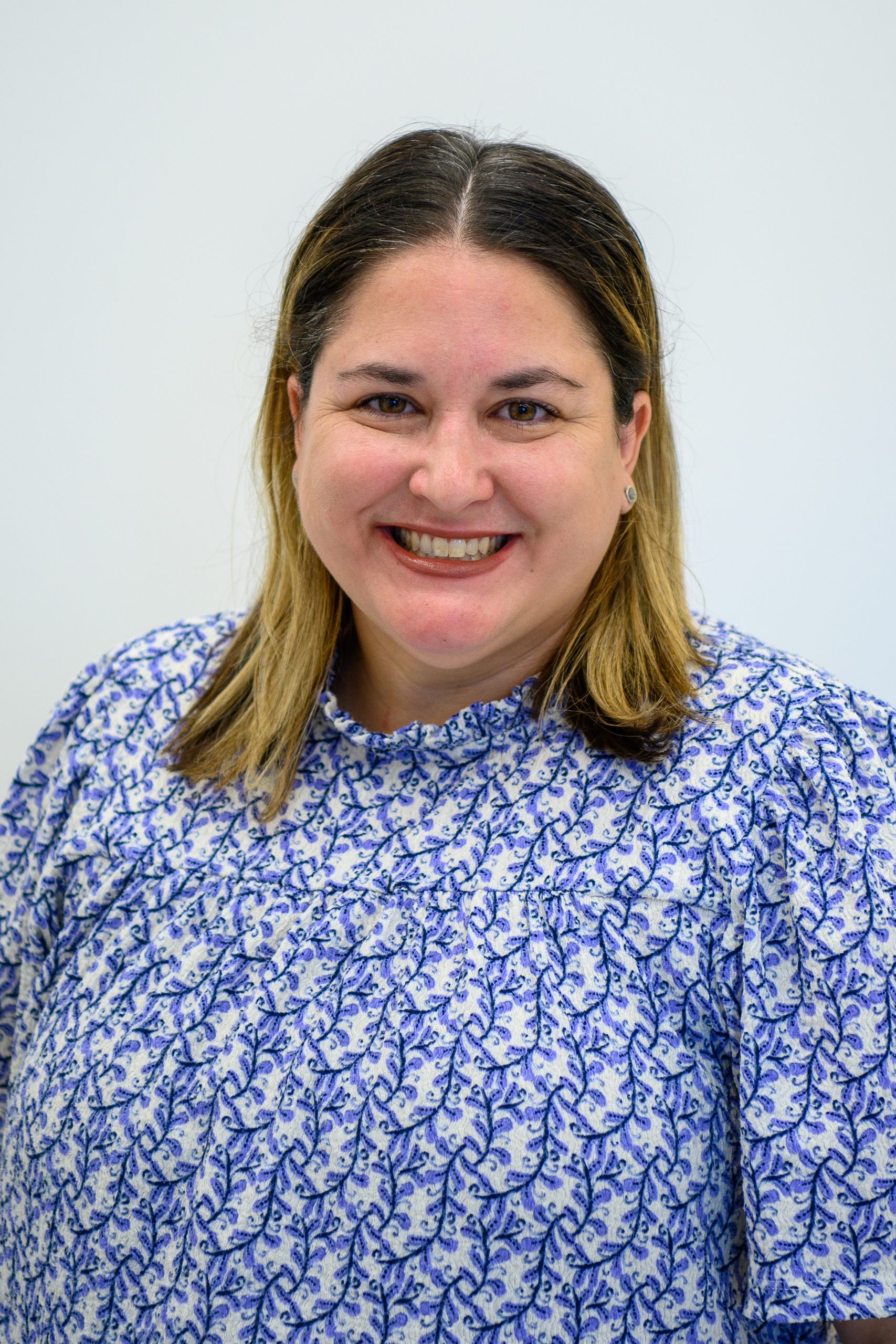
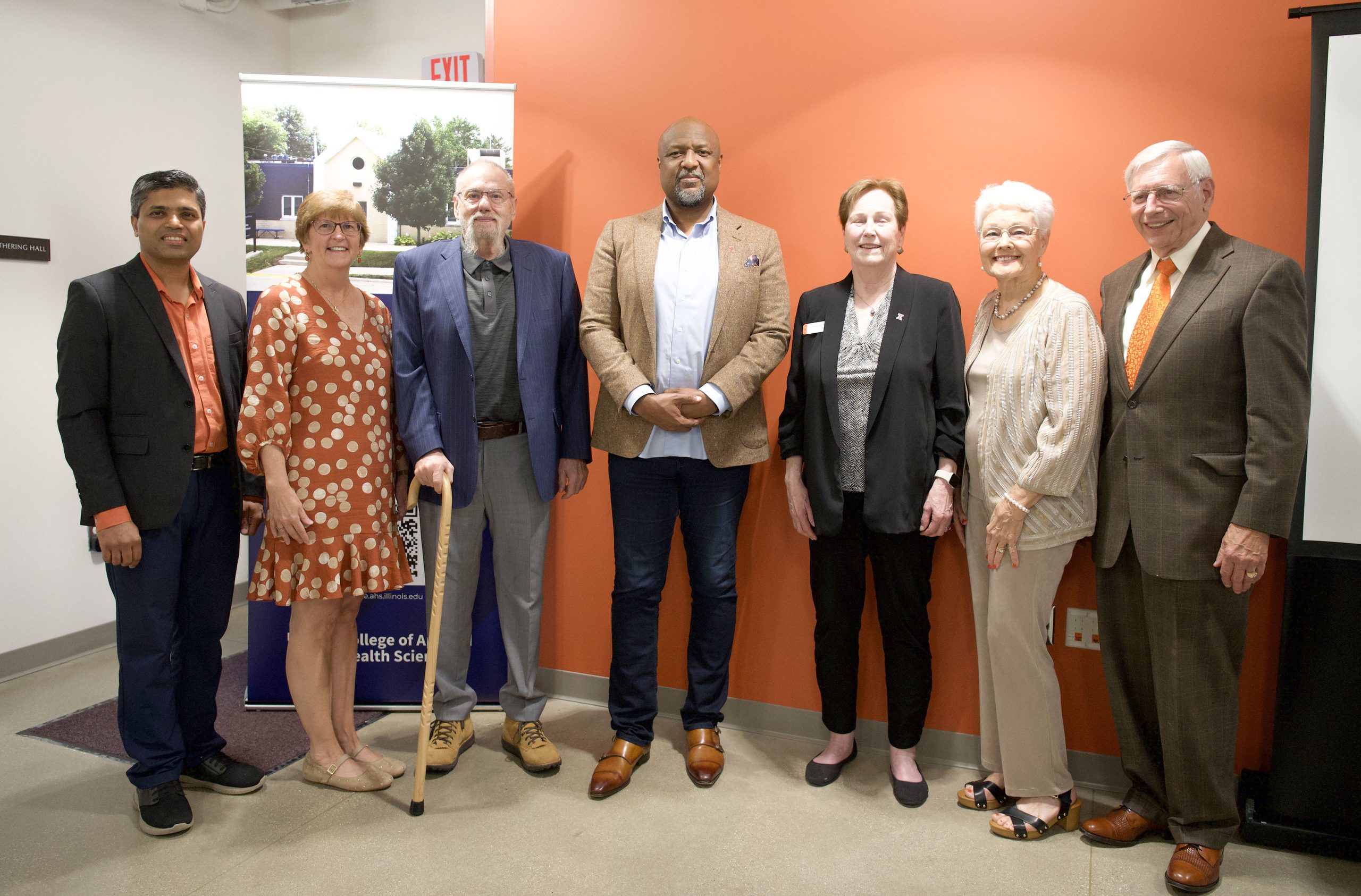
Six SHS faculty members secured funding this summer. (Google Images)

Faculty in the Department of Speech and Hearing Science are launching newly funded projects that address how children hear in complex environments, how clinicians deliver swallowing rehabilitation, how early language and literacy interventions can be tailored to families and classrooms, and how educators can put statewide literacy policy into practice. These awards continue the department’s exceptional momentum in research funding, adding to a vibrant portfolio of active externally sponsored projects that advance scientific discovery and improve lives. Together, the awards reflect a shared commitment to translating innovative research into meaningful clinical and developmental outcomes.

Associate Professor Justin Aronoff is a co-investigator on “Functional Spatial Hearing in Reverberation by Pediatrically Implanted Children and Young Adults,” a project led by principal investigator Ellen Peng at Boys Town National Research Hospital. The award totals $3,353,690, with a $202,974 subaward coming to the University of Illinois.

The project focuses on children with severe-to-profound hearing loss who use bilateral cochlear implants. Although the devices partially restore spatial hearing, everyday settings such as noisy, reverberant classrooms can still make it difficult to locate sounds and separate a speaker’s voice from competing noise. Researchers will examine how room reverberation and cochlear implant signal processing work together to shape functional spatial hearing.

Using psychophysical methods and realistic simulations of reverberant spaces, the team will study auditory image perception, spatial acuity and spatial unmasking. It will also consider developmental and hearing-related factors that may influence performance. The findings are expected to clarify gaps between pediatric cochlear implant users and peers with typical hearing and inform future work on personalized bilateral fitting strategies.

Assistant Professor Mariana Mendes Bahia, Julia Carpenter and Kelly Rogers received a $9,994 Shirley Ryan AbilityLab Catalyst Grant for “Practice Patterns in Dysphagia Rehabilitation: From Characterization to Practice Improvement.” Dysphagia, or difficulty swallowing, is common among people with neurological, oncological and other conditions, but research reports and clinical documentation often provide limited detail about what treatment is delivered and how it is implemented. Carpenter and Rogers are from the Shirley Ryan Ability Lab, where Carpenter is a practice leader in SLP and Rogers is a swallowing clinician.

The team will use the Rehabilitation Treatment Specification System, a framework for describing treatment targets, ingredients and mechanisms of action, to analyze dysphagia rehabilitation data. Researchers will characterize practice patterns across care settings and diagnoses, examine connections between rehabilitation practices and patient outcomes, and identify practical opportunities for quality improvement. By making treatment approaches more visible and comparable, the project aims to strengthen both clinical practice and future research.

A third project brings together Charles and Kay Stenberg Endowed Professor in Disability Research Pamela Hadley, the former SHS department head, Emily Harrington, assistant professor in Special Education and an SHS alumna, and Matt Lambert, professor and head of Special Education. Their two-year, $426,559 exploratory/developmental R21 award from the National Institute on Deafness and Other Communication Disorders supports “Leveraging Extant Data to Characterize Language Growth and Optimize Caregiver-Implemented Interventions for Children with Late Language Emergence.” The award runs from Aug. 1, 2026, through July 31, 2028.

Led by principal investigator Harrington, the researchers will analyze existing data from a randomized controlled trial of Enhanced Milieu Teaching-Sentence Focused, a caregiver-implemented intervention. They will trace vocabulary growth from 30 to 39 months and sentence development from 36 to 45 months, while examining how intervention strategies, children’s uptake of those strategies and participant-level factors shaped individual trajectories.

Results will help identify which intervention components work best at different developmental points. That evidence can guide the design and evaluation of brief, targeted approaches capable of reaching more children with late language emergence and their families.

SHS Associate Professor Laura Mattie’s collaborative research proposal with Founder Professor of Computer Science and Industrial and Enterprise Systems Engineering James Rehg, “Using Developmental Machine Learning to Code Eye Gaze in Down Syndrome and Fragile X Syndrome,” was selected for an 18-month, $29,987 grant from the Social & Behavioral Science Institute.

The project will determine AI’s ability to streamline behavioral coding of eye gaze in young children with Down syndrome and fragile X syndrome by leveraging the AnyGaze AI model. Recent advances in the development of AI models for quantifying nonverbal communication, led by Co-I Rehg, have enabled accurate coding of eye gaze in young neurotypical children and those with autism. However, the AnyGaze AI model has not yet been expanded to other neurodevelopmental disabilities. Additionally, the team will train the AnyGaze AI model to single, dual, and triadic gaze shifts, which are important for classifying early communication. With this foundation, the team aims to examine the potential clinical applications of the AnyGaze AI model by speech-language pathologists for assessment and treatment planning.

Assistant Professor Meaghan McKenna is principal investigator for “Writing for Reading: A Technology-Based Approach to Literacy Growth,” a $1,876,852 project funded by the U.S. Department of Education’s Office of Special Education Programs through its Stepping-Up Technology Implementation program. Hope Gerde of Texas A&M University is co-principal investigator; Jack Drobisz of the University of South Florida and Pasquale Bottalico are co-investigators. The award runs from Oct. 1, 2026, through Sept. 30, 2031.

The team will add a kindergarten-first grade writing extension to the Electronic Data Management and Expert Decision Making System. Through iterative development, evaluation, scale-up and dissemination, the project will offer job-embedded professional development designed to help classroom teachers strengthen children’s writing and reading achievement.

McKenna also serves as co-principal investigator on “The Illinois Literacy Plan: Identifying the Supports Needed for Meaningful Policy Implementation and Revision,” led by principal investigator Rachel Schachter of the University of Illinois Chicago. The $15,000 grant from the University of Illinois System Institute of Government and Public Affairs runs from July 1, 2026, through June 30, 2027.

The project will assess how school administrators, teachers and specialists perceive the Illinois State Literacy Plan and what support they need to implement it effectively. Findings will guide policies that better support educators and strengthen partnerships across the state.

Each project also depends on collaboration across disciplines and institutions, extending the faculty’s expertise through partnerships that connect laboratory measures, clinical records, classroom practice, public policy and family-centered intervention data with the practical challenges experienced by patients, practitioners, educators, children and caregivers every day.

Across the six awards, faculty and collaborators are pairing rigorous methods with questions rooted in daily life: hearing in a classroom, documenting swallowing care, supporting a child’s first words and sentences, strengthening early writing and reading, and helping educators implement literacy policy. These new projects continue a period of remarkable research growth within the department, adding to SHS’ mission of advancing both scientific discovery and clinical practice.

Editor’s note:

To reach Vince Lara-Cinisomo, email vinlara@illinois.edu.
 

Share on social

Related news

Illinois Speech and Hearing Science at ASHA 2025

Assistant Professor Meaghan McKenna won the 2025 ASHA Early Career Contributions in Research Award. (Provided)

The American Speech-Language Hearing Association (ASHA) held the 2025 ASHA Convention from Nov. 20–22 in Washington, D.C.

Our Department of Speech and Hearing Science at Illinois was well-represented: several SHS faculty and graduate students were in attendance to accept awards and present seminars on their research and teaching contributions.

SHS faculty and students’ ASHA Awards

  • Assistant Professor Meaghan McKenna is being awarded the 2025 ASHA Early Career Contributions in Research Award
  • Ph.D. student Tracy Preza is being awarded an ASHFoundation Student Research Grant in Early Childhood Language Development
  • Ph.D. student Eliza Baby and mentor Professor Raksha Mudar are being awarded a Research Mentoring-Pair Travel Award
  • Ph.D. student Daniela Fanta Alarco is selected for the ASHA Student Leadership Program
  • M.A. student Raina Harpalani is being awarded an ASHFoundation Graduate Scholarship

SHS faculty and students’ talks

Thursday, Nov. 20

12:30 p.m.—Poster: “Examining the Effectiveness and Feasibility of a WebBased First Grade Writing Intervention”
McKenna, M.
Location: CC/Poster (Hall D); Screen #: 134

4:30 p.m.—Poster: “Measuring Functional Communication in Mild Cognitive Impairment”
Lydon, E., Wallace, N., Mudar, R.
Location: CC/Poster (Hall D); Screen #: 134

6 p.m.—One-hour seminar (Invited): “The Speech Accessibility Project: Reflections on Technological Innovation & Visions for Communication Empowerment”
Mendes, C.
Location: CC/151B (Lvl 1)

Friday, Nov. 21

8 a.m.—One-hour seminar: “Building on Legacy, Transforming Practice: Tools to Support SLP Engagement with Multi-Tiered Systems of Support”
Sylvan, L., McKenna, M., Ireland, M.
Location: CC/202A (Lvl 2)

11 a.m.—One-hour seminar: “Imitation and Lexical Overlap in Toddlers with Language Delays: Automated Coding and Sequential Analysis”
Harrington, E., Hadley, P.
Location: Marr/Independence Salon F/G/H (Mtg Lvl 4, LL)

1:30 p.m.—One-hour seminar (Invited): “Research Symposium on Hearing: The Utility of Extended High-Frequency Hearing and Assessment for Speech Communication”
Monson, B., Calandruccio, L.
Location: CC/151B (Lvl 1)

5:30 p.m.—Technical/Research Presentation: “Practice improvement in swallowing management: Using skill-based training in hospitalized post-stroke patients with dysphagia”
Bahia, M.M., Rogers, K., Carpenter, J., Cherney, L.R.
Location: Marr/Liberty Salon K (Mtg Lvl 4, LL)

Speech and Hearing Science faculty and students gathered at this year’s ASHA conference. (Provided)

Saturday, Nov. 22

11 a.m.—One-hour seminar: “Addressing Elementary Writing When Delivering Intervention: Preparing Young Children for Success in School and Life”
McKenna, M.
Location: CC/204B (Lvl 2)
** Designated as a Centennial Session!

SHS researchers bridge research and real life


Laura Mattie, left, and Meaghan McKenna exemplify how SHS researchers connect to community (Photo by Ethan Simmons)

The work at the College of Applied Health Sciences doesn’t stay in the lab—it transforms lives. Faculty such as Meaghan McKenna and Laura Mattie exemplify the college’s commitment to bridging research with community impact. Whether developing interventions for literacy in schools or building relationships with families of children with disabilities, they show how academic insights can create tangible benefits.

Mattie joined the faculty in the Department of Speech and Hearing Science in 2015. Now an associate professor, she has spent the past nine years working on research with her colleagues in SHS as the principal investigator in the Development in Neurogenetic Disabilities Lab. She said her time spent at the department has led to close relationships, both personal and professional.

“The interdisciplinary nature of the department, the university and the college really has helped me to build more collaborations, and I think that’s one of the key things to being successful in my field,” Mattie said. “Some of my collaborators are my closest friends.”

Mattie’s fall semester class, titled Children with Neurodevelopmental Disorders Across Communication Contexts, covers the development of social and communication skills in children with various neurodevelopmental disorders that her research is focused on as well. Her current research, which primarily concerns children with fragile X syndrome and Down syndrome involves longitudinal studies that require a level of personal connection with families of children partaking in her studies. 

For Mattie, being a new mom to two young girls has offered a fresh perspective on her research.

“As we’re getting closer to the end of the project and thinking of what to do next, the mom in me led to the thought, ‘How do we get information to moms and clinicians quicker?”’

Mattie said building relationships with families really allowed researchers to value their thoughts and experiences.

“I want to partner with families and clinicians—and we found this evidence that we think is helpful—but how can we package the information so they can use it every day; how can we really make it accessible for them, and instead of getting it to them in 10-15 years (the current research-to-practice gap), get it back to them quicker?”

McKenna isn’t just one of the most recent additions to the SHS as an assistant professor. She also has years of experience as a speech-language pathologist and a passion for connecting with districts, schools and educational professionals about solving problems of practice corresponding to literacy and multi-tiered systems of support.

“Forming partnerships and relationships is the most important thing I do,” she said.

Working in SHS is a position that is far from stationary: McKenna’s work pulls her across not only campus, but into surrounding cities and school districts where she aims to narrow the gap between research and practice. She currently partners with her colleague Amber Ray in the Department of Special Education and Holy Cross School in Champaign on writing intervention research. 

McKenna has also joined three other schools and districts who connected with her about their mutual interest in solving problems of practice corresponding to writing. In Danville, she is collaborating with the curriculum department and classroom teachers as K-2 instructional guides are created that highlight daily writing activities aligned with the core curriculum and evidence-based practices. In Blue Ridge, Illinois, professional development sessions that address writing instructional priorities identified by classroom teachers are held monthly. In Chicago, a Pre-K-8 school formed an instructional leadership team committed to vertical alignment of how the writing process (cycle) is taught and student writing is evaluated.

“I think it’s important for us to bridge what we’re doing in research and think about how it translates into practice,” she said. “I don’t think it’s productive to be in a research lab all day or writing papers if it doesn’t have any impact on the community or individuals who are going to be applying the findings. The opportunity to co-learn with schools and districts across the state (who are) committed to prioritizing writing has been the highlight of my second year in Illinois.”

Editor’s note:

To reach Vince Lara-Cinisomo, email vinlara@illinois.edu.
 

Related news

College of Applied Health Sciences
110 Huff Hall
1206 South 4th Street
Champaign, IL 61820
(217) 333-2131