This summertime enrichment program for local youth run by Health and Kinesiology at Illinois is back in Champaign
A day in the iPALS program provides academic enrichment, playtime, social-emotional learning and nutritious snacks. (Photo provided)
A group of Illinois physical education alumni are supporting one of the College of Applied Health Sciences’ longest-running youth programs as it returns to Champaign.
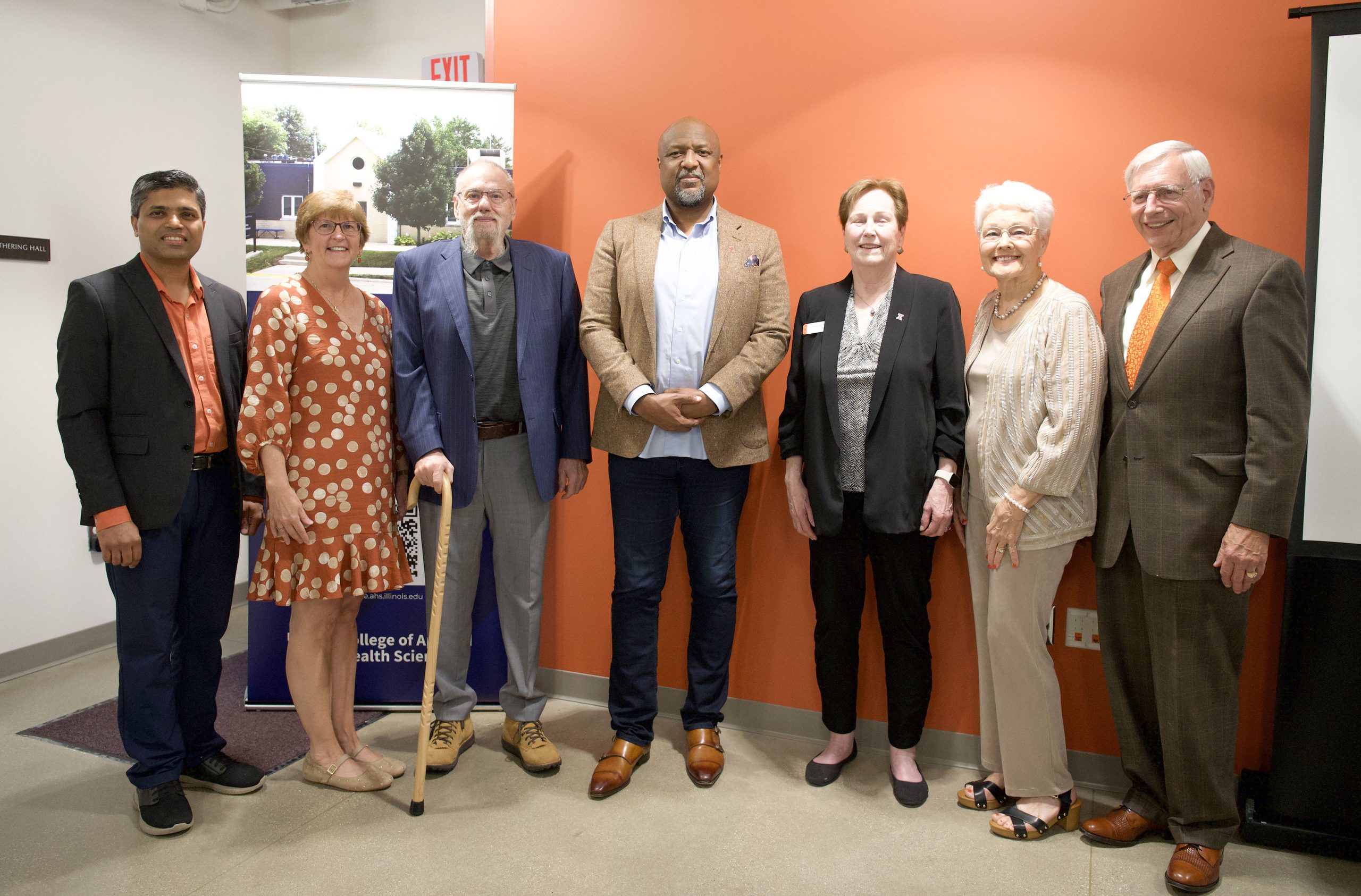
Three graduates of the former Department of Physical Education for Women at Illinois—Carolyn Bechly, Jean Snuggs and Lyndell Wilken—have pooled their resources into an endowment to help fund the Illinois Physical Activity and Life Skills program, also known as iPALS. The summer wellness program for local children is also a steppingstone for Illinois student educators to develop their skills.
“We’re hoping iPALS can be part of their practical experience, building on what they’ve learned in a classroom,” said Wilken, who graduated in 1972 and became a coach, physical educator and athletics administrator.
The eight-week iPALS program run by the Department of Health and Kinesiology in Applied Health Sciences brings in local schoolchildren every summer for a full day-camp experience, with structured playtime, academic enrichment, social-emotional learning and nutritious snacks available each day.
Beyond a summer opportunity for at-risk youth—every child participant qualifies for SNAP benefits or free-and-reduced lunch—the program doubles as a research study, funded by the U.S. Department of Agriculture.
The premise of the study: to see if regular physical activity, summertime enrichment and specialized nutrition can curb “learning loss,” the regular backsliding of academic achievement that occurs over summer break. Enrollment in iPALS is completely free.
The University of Illinois has a long history of youth summer programs. iPALS was originally the “Sport Fitness” program, where physical activity was the focus. With community input from partnering local school districts, faculty leaders have developed a more balanced approach over the years, between academic and social enrichment, exercise and nutrition.
Many of the daily snacks served to iPALS kids contain lutein, a carotenoid common in leafy green vegetables that settles in our eyes and brain, supporting our eyesight and cognitive health. The iPALS participants, ages 6 to 11 years old, take fitness, academic and cognition assessments at the beginning and end of the program to measure its direct impacts.
“Given that physical activity participation is among the most robust behavioral approaches to support both physical and cognitive health, we anticipate that the iPALS program has the potential to have a meaningful impact on children in our community,” said principal investigator Naiman Khan, associate professor in the Department of Health and Kinesiology.
During iPALS days, the kids move from station to station, with each stop run by Illinois graduate students. The researchers purposely use students with diverse backgrounds: nutrition majors running the snack station, education majors running academic enrichment, and physical educators structuring the playtime.
“For me, the most important aspect is that we provide a safe space for eight hours a day where kids are guaranteed meals and snacks, surrounded by adults who care about them, and they’re able to build relationships with peers experiencing similar realities,” said HK Associate Professor Kevin Richards, who researches the teaching of physical education. “That impact is difficult to capture with data, but it is the most meaningful part of the program.”
Interested families can visit the iPALS website and complete the eligibility survey to see if their child qualifies for the program. This year’s iPALS will take place at Booker T. Washington STEM Academy in Champaign on weekdays from June 3 to July 17.
Booker T. Washington STEM Academy in Champaign will be the hosting venue for this year’s iPALS program. (Champaign Unit 4)
A Motivated Donation
Illinois alumnae Carolyn Bechly, Lyndell Wilken and Jean Snuggs on a trip to Alaska. The three graduated from Illinois Department of Physical Education for Women just as Title IX took effect. (Photo provided)
The teaching experience available in the iPALS program mirrors the student teaching opportunities that were available to prior generations of Illinois physical education majors. Months after the passage of landmark Title IX legislation in 1972, the Illinois departments of Physical Education for men and women were fused, just as Bechly, Wilken and Snuggs happened to embark on their careers.
Under Title IX, every education program that received federal funding had to ensure equal access for students regardless of sex. Schools nationwide had an imperative to start girls’ sports teams, and a dire need for coaches. Some states, including Illinois, mandated that coaching slots be filled by women.
Suddenly, these new Illinois physical education graduates had their work cut out for them.
“It was an amazing time, and busy,” Wilken said. “The opportunities were huge, also the workload you sustained, because you were a full-time teacher and you weren’t given anything extra for coaching—just the love of sport and wanting girls to have opportunities that drove most of us to essentially do it for free.”
The three women quickly discovered the lessons from the Illinois’ physical education program were useful in the field. They had learned under department legends such as professors Phyllis Hill and Beulah Drom, who instilled foundations in childhood motor skills and structuring class-time for physical education. The pedagogy of P.E. was scientific and practical: to help students understand the joy of movement, you’ll have to get them to line up single file as well.
“The science of it was really fascinating … you learned how to learn things, which carried over into how to teach,” Snuggs said. “In retrospect, it was always incredibly teaching-oriented.”
Wilken, Snuggs, Bechly and their cohort have retired, mostly, from long careers in physical education and coaching, spanning secondary schools, colleges and universities. They owe much of their lasting bond with their classmates to the passage of Title IX, and the whirlwind of entering the field together, giving student-athletes—particularly young women—opportunities that didn’t exist for themselves.
“We graduated, Title IX happened, and we fell into wonderland,” Bechly said. “Us starting as brand-new teachers, to be able to coach and experience stuff we didn’t really experience to that level, it was just fabulous.”
Naturally, shared professional experiences led the cohort to stay in touch and collaborate. Wilken made a spirited call to Snuggs back in 1979: Wilken was leaving her post at the American River College in Sacramento after founding its women’s track and field team. The school would need a new athletics administrator, and a new coach.
Inspired by how iPALS mirrors their own student-teaching experiences at Illinois, these physical education alums set up a fund to support the program indefinitely. (Photo provided)
“I had never run a track race in my life, but Lyndell said, ‘Hey, you might like this, why don’t you apply?’” Snuggs said. Snuggs got the job and stayed at American River College for more than 30 years, retiring as its dean of physical education in 2012. Wilken went to work at Lane Community College in Oregon, coaching its cross country and track teams to four conference championships.
Today, more than 53 years after the passage of Title IX, these alums have reconnected with their alma mater. After dialogues with the current faculty of Health and Kinesiology, the iPALS program seemed a good target for their financial support, mirroring their own student-teaching experiences at Illinois.
Their Supervised Teaching of Physical Activity/Nutrition Fund will support iPALS indefinitely. The founders have put out an open call for alums, including fellow physical educators, to donate.
“We’d like the students working there in the summer to be future physical educators, and that they continue being mentored and teaching,” Bechly said.
Families can register their kids for this summer session of iPALS now. In the meantime, the PEW alums hope more supporters help sustain the program.
“Physical education is a wonderful opportunity for kids to make decisions at whatever level, in terms of how they deal with others, how they deal with winning and losing. It’s heavy-duty stuff they can use for the rest of their lives,” Snuggs said.
Editor’s note:
To learn more about iPALS or sign up your child, visit the program’s webpage.
Want to contribute to the Supervised Teaching of Physical Activity/Nutrition Fund (Fund #778014)? Donate or email our AHS Office of Advancement at advancement@ahs.illinois.edu.
HK researchers found that the school children who more closely adhered to a special diet showed better control over their attention
A diet rich in fiber and antioxidants shows promise for children’s mental abilities, according to Shelby Keye’s research (Photo by Ethan Simmons)
A diet rich in fiber and antioxidants, low in fat and full of colorful berries and vegetables has shown a strong connection to slowed cognitive decline in older adults. This same Mediterranean-influenced diet shows promise for children’s mental abilities, too.
A recent study led by University of Illinois Health and Kinesiology Assistant Professor Shelby Keye compared elementary school kids’ food intake to this specific diet pattern—fittingly called the MIND diet—and measured how those kids performed on a task designed to challenge their attention span.
Keye and a team of researchers, including Health and Kinesiology Associate Professor Naiman Khan and Illinois Nutritional Sciences Ph.D. candidate Tori Holthaus, found that the school children who more closely adhered to this special diet showed better control over their attention.
“When we see something in older adults, we’re like, ‘I wonder if we’re going to see that same thing with kids?’” Keye said. “That was the question: will the MIND diet be related to children’s cognitive skills?’”
The MIND diet is short for Mediterranean-DASH Intervention for Neurodegenerative Delay. It’s a combination of the popular Mediterranean diet—which prioritizes beans, leafy vegetables, berries, seafood and olive oil—and the DASH diet, originally built to combat hypertension.
Researchers at Rush University in Chicago combined elements of these two diets and found certain components were related to better cognitive health in older adults.
To investigate whether the MIND diet had positive effects for kids’ brain health, the research team decided to study a pressing skill for any school-age child: paying attention.
In early life, the human brain is developing all of its cognitive skills simultaneously. But in certain phases of development, specific skills are growing faster and are more sensitive to a person’s changes in health, Keye said.
“Attention and inhibition around that elementary age is a particularly sensitive skill to health behaviors,” Keye said. “It may be because you have started school. And now, you’re in this environment where you have to inhibit, you have to prevent yourself from turning around and talking to your friend or even inhibit yourself from listening to internal thoughts.”
Their study marks the first time the MIND diet has been analyzed in a population this young. The diet’s connection to attention control opens the gates for more specific, involved research into the diet’s potential effects.
“With us finding this relationship with the MIND diet, that means that those foods that are important for older adults could be just as important for children,” Keye said.
To answer their question, the research team collected a week’s worth of dietary records for 129 local children, ages 7 to 11 years old. Parents of the child participants were tasked with recording everything their kid ate or drank for seven days, in close consultation with their children.
The children’s diets were scored on their proximity to the MIND diet pattern versus the most recent Healthy Eating Index, a set of dietary guidelines developed by the U.S. Department of Agriculture. The two diets are similar but emphasize different food groups: The MIND diet encourages more berries and olive oil, for example.
Before gathering their diet records, the researchers collected the children’s demographic and anthropometric data—height, weight, age and the like. And each participant completed a cognitive test designed to challenge their focus, called the Eriksen-Flanker task.
The task asks participants to look at a series of rapidly flashing arrows pointing in different directions on a computer screen, and mark which direction the arrow in the center of the image was pointing. (For kids, the arrows are replaced with pictures of fish.)
The children who ate foods closer to the MIND diet scored more accurately on the attention task. The positive relationship did not show significant differences based on the children’s overall caloric intake, sex or household income.
No significant relationship was found with the kids’ scores on the Healthy Eating Index guidelines.
The children who ate foods closer to the MIND diet scored more accurately on the attention task.
“This is one study, and it’s one of the first,” Keye said. “But because we found a relationship, there is most likely something there.”
As for why the diet had a relationship to attention control, Keye said a few possibilities are worth further research.
Many of the dark green vegetables and berries present in the MIND diet are rich in antioxidants, which have an anti-inflammatory effect that helps with brain development and function, she said.
Weight could also play a role. A separate study found that children who followed the MIND diet had a lower weight status on average—a higher weight status can relate to greater levels of inflammation and poorer cognitive performance.
Also, physical activity and diet quality tend to go together in people, Keye said. It could be that the kids who ate more MIND diet foods focused better because of a healthier, more active lifestyle.
Is the evidence enough to start changing children’s diets? More research is needed into the potential cause-and-effect, but if the benefits interest you, “I would not stray away,” Keye said.
“I always try to just keep it simple while doing this type of work. Sometimes I find that people will read about this and say, ‘I’ve got to change all these things about my life,’” Keye said. “I study behavior change a little bit, and I find that it’s easier to start simple and do one thing.”
If the MIND diet’s potential benefits seem compelling, try adding in some berries and smoothies into your meal plan, or cooking with olive oil instead of butter for a week, Keye suggested.
For now, the results from this study present a few next steps. Future studies can run diet interventions, where researchers control participants’ food intake to fit the MIND diet and observe any effects. Researchers could also make the same analysis of diet and attention control in an even younger group of child participants, or with a wider range of socioeconomic status.
“We’re just excited to be doing the work and excited to have some interesting results,” Keye said. “And hopefully, one day, we can get a good intervention.”
The paper, “MIND Diet Pattern Is Associated with Attentional Control in School-Aged Children,” was published in the Journal of Cognitive Enhancement in January 2025. It is available online.
SPICE-Healthcare is meant to assist the growing population of older adults from culturally diverse backgrounds who are enrolling in long-term care services
A cross-campus team of researchers at the University of Illinois Urbana-Champaign, led by Kinesiology and Community Health Assistant Professor Mina Raj, has received two grants to test an online platform designed to help dietitians, clinicians and food service personnel make dietary assessments and care plans that are tailored to patients’ medical and cultural needs.
The web-based platform to Support Personalized and Inclusive Cuisines in Environments for Healthcare (SPICE-Healthcare), is in line to receive nearly $120,000 in grant support to test its usability with community partner ClarkLindsey Village and other healthcare organizations.
“We will conduct usability testing locally but also with clinicians from other parts of the country,” Raj said.
Raj focuses her research at the College of Applied Health Sciences on healthcare administration and disparities, particularly on supporting the needs of diverse older adults and family caregivers. Her preliminary studies inform the purpose of SPICE-Healthcare.
Collaborators include KCH Associate Professor Naiman Khan, an expert in nutrition and health behaviors and outcomes; Margarita Teran-Garcia, assistant dean and program leader of Integrated Health Disparities at Illinois Extension; Ian Brooks, director of Center of Health Informatics; and Lisa Gatzke, who leads the User Interface and User Experience Team at The National Center for Supercomputing Applications (NCSA).
“This team has been in conversations for over a year contributing their expertise in nutrition, community outreach, informatics, and design to come up with the platform that aims to improve health service delivery for culturally diverse older adults,” Raj said. “Working together across disciplines has been pivotal to bringing this idea to reality.”
To develop and test this electronic-dietary assessment tool (eDA), the team received a $50,000 seed grant from the Personalized Nutrition Initiative, a University of Illinois project led by the Office of the Vice Chancellor for Research and Innovation, partnered with Carl R. Woese Institute for Genomic Biology and College of Agricultural, Consumer and Environmental Sciences at Illinois.
The Personalized Nutrition Initiative recruits an interdisciplinary group of researchers to investigate ways to optimize human health by making nutrition recommendations based on the individual’s genetics, microbiome and metabolome, along with their dietary history and phenotype.
Another $68,210 is heading to the project from Illinois Chancellor Robert Jones’ Call to Action Research Program, an annual $2 million commitment that funds research targeting racial inequities and injustices.
SPICE-Healthcare is meant to assist the growing population of older adults from culturally diverse backgrounds who are enrolling in long-term care services. Many long-term care facilities and hospitals lack inclusive cuisine for different cultural, ethnic and religious identities.
When food isn’t personalized to these needs and preferences, these older adults face risks of undernourishment, unintentional weight loss, or overburdened family caregivers, investigators say.
Interviews with institutional leaders at ClarkLindsey and other community organizations suggested that a “point of care” resource to improve culturally tailored nutrition assessments was sorely needed.
The first phase of the platform, a click-through prototype electronic-dietary assessment, is almost ready for testing, Raj said.
“We will then continue working with our collaborators at NCSA to refine the tool to be culturally tailored,” she said.
Pilot grants reignite Chad Symposium, fostering research collaboration and innovation
KCH Associate Professor Naiman Khan’s presentation was titled “Role of Omega-3 Lipid Metabolites in Obesity and Cognitive Function” (Photo by Lisa Bralts)
The first Center for Health, Aging, and Disability (CHAD) symposium since 2017 was a celebration of the research accomplished with the help of the Pilot Grant Program.
Three researchers from the College of Applied Health Sciences—Naiman Khan, an associate professor in Kinesiology and Community Health; Brian Monson, an assistant professor in Speech and Hearing Science, and Sharon Zou, an assistant professor in Recreation, Sport and Tourism, made a point of thanking CHAD’s grants for helping launch their studies.
Khan, whose presentation was titled “Role of Omega-3 Lipid Metabolites in Obesity and Cognitive Function,” said CHAD’s funding was vital to his work.
“CHAD was really helpful in us starting a new line of engagement of research,” he said.
CHAD director Jeff Woods, AHS’ associate dean for research, said to date, 38 pilot grants have been awarded since CHAD was launched in 2010, with $860,000 awarded to AHS researchers for pilot research. Woods described CHAD’s role as “work at the bookends of medicine … with the goal of improving people’s lives.”
“CHAD pilot grants are really important for junior faculty,” Zou said.
And the payoff has been well worth it, Woods said, citing the return on investment as approximately $16 in external funding to $1 in CHAD funding.
Zou’s presentation was titled “Exploring an Efficient and Equitable Entrance Fee for Public Lands: A Community-based investigation in the Indiana Dunes National Park.”
“I study how people have fun,” Zou said, explaining that it was vital for public parks and other tourism industries to build a sustainable revenue model and not to rely on decreasing funding from state and federal sources.
The primary purpose of Zou’s study was to “understand visitors’ and surrounding community residents’ perceptions of Indiana Dunes National Park user fees to inform a fee structure that balances revenue generation and equitable access.”
During and after the COVID-19 pandemic, Zou said, “parks saw explosions of people visiting.” While that was great for parks in terms of revenue, it also led to increasing operation costs at a time when government funding for these sites is being reduced.
“The specific goal is to find out how visitors see the park fees, and are they fair?,” Zou said.
The RST researcher said her preliminary findings indicate there was no consensus from study participants on what “fair” means, and that tension between fairness principles partly explains the longstanding controversy and debate on public land user fees.
Khan’s presentation focused on how poor lifestyle choices can predict an early onset of dementia, noting that obesity worldwide has increased threefold since the 1980s. The KCH researcher said his research, in conjunction with Aditi Das of Georgia Tech, suggested that the a deficiencyin the hormone dehydroepiandrosterone (DHEA)—which has been reported to have beneficial effects on obesity, diabetes mellitus, and serum lipids in animals—was associated with individuals with a body-mass index (BMI) of 25 or higher, which is classified as obese.
“BMI is inversely connected to cognitive function,” Khan said. “Only in obese individuals do we see DHEA increase in circulation.” Khan said his preliminary results found:
Circulating Omega-3 metabolites were higher among persons with higher weight status and the levels were associated with degree of fat mass
Circulating metabolites inversely associated with cognitive function
Only observed among persons with overweight and obesity
Selectively associated with hippocampal function
Implications for memory function
Khan said his overarching goal was to “develop effective lifestyle approaches to improve cognitive function.”
SHS’ Monson discussed his study called “Capturing Prenatal Auditory Experience.”
“If there was a pregnant woman in this audience, that baby would be hearing my voice, and perhaps making judgments,” he said, drawing laughter from the gathering. “How do we know? Because full-term newborns come to the world with memories of what they’ve heard, including the mother’s voice.”
In utero, Monson explained, was a unique acoustic environment. When preterm infants are delivered, they are placed into incubators, which rapidly changed the sound profile, he said. The consequences of those changes include increased risk for sensorineural hearing loss, auditory neuropathy, language and speech developmental delays, auditory attention deficits and auditory processing disorder.
Monson’s study involved a group of pregnant women wearing a LENA listening device twice a week during the third trimester, while the device was placed into cribs of very preterm infants at Carle Foundation Hospital three times a week through their stay in a neonatal intensive care unit (NICU).
“Fetuses are getting 2.5 hours a day of speech exposure vs. 32 minutes a day for very preterm infants,” he said. “It’s an alarming difference to me.” NICU infants may incur a deficit of about 150 hours of speech exposure over the course of the preterm period, he explained.
One of the possible mitigation strategies for very preterm infants could be to provide meaningful targets (about three hours a day of speech exposure) to optimize auditory exposures in NICU settings.
“The maternal heartbeat is never turned off in utero,” he said. “The maternal heartbeat is never turned on in NICU.”
Following the CHAD Pilot Grant success stories, Wendy Rogers, the Shahid and Ann Carlson Khan Professor of Applied Health Sciences, talked about the work of Collaborations in Health, Aging, Research, & Technology (CHART).
CHART’s mission is to enable successful aging through:
Fundamental research
Advanced technology development
Education of researchers, developers, healthcare professionals, older adults
Guidance for policy decision-making
Translation of these efforts to positively affect the lives of older adults
CHART was the first research theme of the College of Applied Health Sciences and boasts the development of the McKechnie Family LIFE Home, an interdisciplinary research facility and simulated home environment that helps promote community engagement, industry partnerships, healthcare collaborations and faculty innovation.
Also part of the symposium was the introduction of a new AHS research theme called CARD (Collaborations in the Advancement of Research on Disability), led by KCH Associate Professor Laura Rice and KCH Professor John Kosciulek. CARD is focused on enhancing the health and quality of life of people with disabilities—through research that addresses critical gaps in disability-related knowledge and outreach that engages individuals with disabilities.
CARD’s short-term goals include:
Develop a collaborative working group
Develop communication strategies
Establish a steering committee of stakeholders
Develop and implement outreach and engagement events
Longer-term goals include:
Host a bi-annual research symposium
Develop a “toolkit” for UIUC faculty to support the performance of disability-related research in the Champaign-Urbana area
Respond to disability-related funding opportunities
Establish a competitive program to provide supplemental funding to support ongoing disability research among junior faculty
Host a seminar series with external experts
Establish a research training program for students registered with DRES interested in doing research
Support the development of new research registries and/or expansion of current registries
The first CARD meeting is set for March 22.
In kicking off the symposium, AHS Dean Cheryl Hanley-Maxwell said CHAD was “one of the biggest attractions” of her decision to come to Illinois and lead the college.
“When I thought about CHAD, I thought it’d be interesting to lead a college that has this kind of momentum to it, and I’ve been proven correct, year after year,” she said. “CHAD provides students with real-world engagement, and plays an absolutely critical role in their professional development.”
Woods agreed.
“We’re helping put the next generation of scientists into the field.”
Can spinach and other leafy, green vegetables improve cognitive function? (Fred Zwicky)
Whether you’re a parent or Popeye, you’ve been extolling the virtues of spinach for decades. Now, one of AHS’ researchers is prepared to study the effects of the leafy green vegetable.
KCH Associate Professor Naiman Khan has received an R01 grant from the NIH’s National Institute of Child Health and Human Development for his project titled “Enhancing Children’s Cognitive Function and Achievement through Carotenoid Consumption.” The five-year project has a budget of approximately $3 million.
The overall aim for Dr. Khan and his collaborators—KCH Associate Professor Sean Mullen and Professor Neal Cohen, director of the Interdisciplinary Health Sciences Initiative—is to conduct a randomized-controlled clinical trial to test the effects of daily lutein supplementation over nine months on children’s cognitive function and academic achievement.
Lutein is in most fruits and vegetables, but green and yellow foods have the highest amounts. Loaded with iron, vitamin K, and magnesium, spinach is an all-in-one source of many essential vitamins and minerals. It is also high in antioxidants such as lutein, with eight milligrams in one cup. The same serving of cooked spinach has up to 16 milligrams. Kale, corn, bell peppers and parsley are also excellent sources of lutein.
Khan’s research has linked macular pigment optical density (MPOD)—a noninvasive measure of retinal and brain lutein—to greater childhood cognitive function. However, the cognitive implications of lutein and zeaxanthin intake in children have not been directly investigated.
The goal, Khan said, is to provide important knowledge on potential dietary recommendations for supporting achievement and cognitive function in childhood. In other words, can eating spinach help a child excel in school?
Khan’s collaborators also include Charles Hillman at Northeastern University and Lisa Renzi-Hammond at the University of Georgia, with data collection taking place at the Illinois.
Nothing in 2020 has gone according to anyone’s expectations, because of the pandemic. But thanks to some adaptation and innovation from College of Applied Health Sciences researchers and their cross-campus collaborators, Champaign County schoolchildren are learning some new life skills.
The Illinois Physical Activity and Life Skills Wellness Program, or iPALS for short, engages children in kindergarten through fifth grade in both physical activity and nutrition instruction. But according to KCH assistant professor K. Andrew R. Richards, iPALS was forced to undergo a COVID-related makeover.
“What we’re doing now is not what we had intended to do,” he said. “We’d been funded on an Illinois State Board of Education grant to run a summer program, an in-person, face-to-face summer camp style program in collaboration with (Champaign) Unit 4 (schools) that was going to be hosted at one of the local elementary schools. And we’d have about 150 kids that would come and spend the day with us for five consecutive weeks. And so that was the original plan, but then COVID happened. And all of that went out the window.”
With summer programming canceled by the University of Illinois and the school district, Richards and his collaborators were faced with a choice of having to spend the money by the end of this semester or having to return it to the state.
“And so that kind of left us with this decision, do we want to return the money?,” he said, “Or do we want to find some way to do some good with this in the local community to help children and family in the time of this pandemic, when health, and nutrition, and wellness are perhaps even more important than they ever have been?”
That’s where some of Richards’ collaborators come in, including fellow KCH assistant professor Naiman Khan, and graduate students in KCH and the Division of Nutritional Sciences. For example, Richards credits KCH doctoral student Shelby Ison for developing multiple options for a fall version of iPALS that included some face-to-face elements as well as virtual and asynchronous plans.
Richards and Khan then worked with Champaign Unit 4 Schools Director of Student, Family & Community Engagement, Katina Wilcher, about opportunities to engage more with the community.
“We brainstormed schools that might benefit most, developed a framework, the two agencies co-wrote a grant, and here we are,” Wilcher said in an email. “Of course, we had to adjust due to COVID, but the University did an outstanding job coming up with an alternative virtual program that is going well.”
IPALS has existed at UIUC in some form since the 1950s, Richards said, and at one point was called the Sport Fitness Program. It was once a multi-activity sport program, but Richards et al recognized iPALS needed to be more responsive to wellness in a broader sense. So, while there continues to be a physical activity component, they’ve added a social and emotional learning component, and a nutrition and wellness component.
Annabelle Shaffer, a master’s student in the Division of Nutritional Sciences, helped craft the nutrition element, part of which involves videos.
“They’ll get a video … basically just why you should hydrate,” she said. “What types of drinks are best for hydration, things like that. And then for their activity they’ll be provided cooking video that we’re making in collaboration with the ARC Instructional Kitchen, who has primarily dietetics and human nutrition undergrads teaching the courses. So they’ll create the cooking class video with the recipes given to them. And also we provide all the food for the kids with the socially distanced pickups.”
One-hundred and 10 children are participating in the program, which runs until Nov. 12. For the cooking program, they receive a set of child-safe knives, a spatula, their own mixing bowls, their own measuring spoons and cups.
“We wanted to be able to engage them in both physical activity and nutrition instruction,” Richards said. “But because we’re targeting primarily communities affected by poverty, we didn’t want to have to rely on them to have things that they were going to need.”
The researchers stressed that parents are involved in most aspects of the program, while still allowing their children to have creative freedom.
“Our current program is six weeks long, and each week students participate in three virtual activities through platforms such as Flipgrid and Edpuzzle. Each of the 3 activities have a different objective,” Ison said. “Activity 1 is designed to facilitate peer-to-peer social and emotional learning, Activity 2 is meant to educate children on physical activity and nutrition, and Activity 3 is the application of the learnings from Activity 2 where students work with their family members to complete a physical activity or nutrition activity or challenge.”
Khan, whose research interests focus in most part on nutrition, said one set of research outcomes would be “qualitative and getting an idea of the experience of the children participating in the program. We have an interest in our lab with physical health and mental and cognitive health in kids. So the Fitbits, for example, will be used to assess students’ physical activity.
“We’ll use a survey approach for them to report their nutritional intake. There’s a survey also on nutrition literacy that we’ve concluded to get an idea of their knowledge of foods and healthy eating. And some additional surveys that we have in place for understanding the home environment, in terms of just commotion and chaos in the household, some demographic information.”
The researchers plan to replicate iPALS next summer, although they’re uncertain if they’ll be able to host children in person. But they certainly hope for bigger grants as they go forward.
“If we were able to use what we’re learning and down the road leverage that towards larger, perhaps federal grant structures, then that might be able to set us up so we’d have funding for consecutive years,” Richards said.
“I feel like we’re in a position now, having been through this, where we won’t be going into that blind and trying to create the wheel while we’re driving the car. We’ll have the car created. And we can just gas it up along the way.”
Kinesiology and Community Health assistant professor Naiman Khan speaks with AHS media relations specialist Vince Lara about his research on the impact of diet on cognitive health.
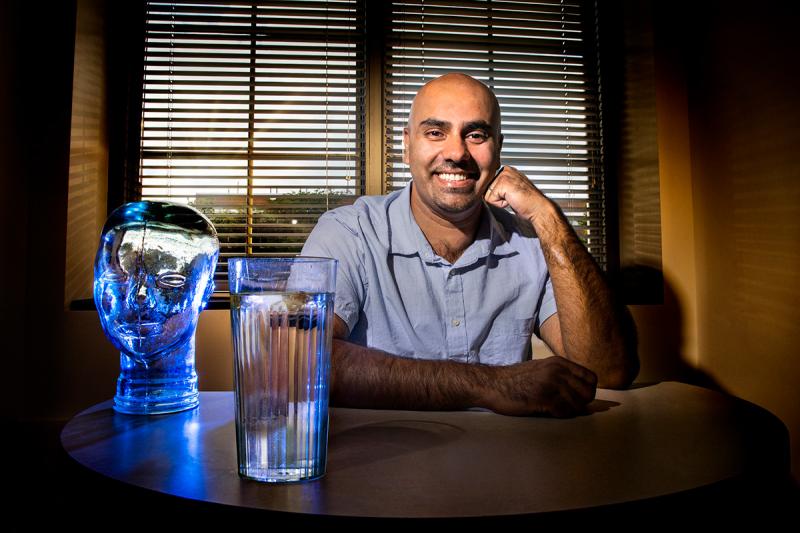
VINCE LARA: This is Vince Lara in the College of Applied Health Sciences at the University of Illinois. Today, I spend a few minutes with Naiman Khan, an assistant professor in the Kinesiology and Community Health Department, to talk about his research in the disciplines of dietetics, body composition, and cognitive neuroscience.
NAIMAN KHAN: First of all, thank you for having me. It’s a real pleasure to speak with you today. When I actually started doing, starting my training, I was interested in practicing first. So I was interested in becoming a registered dietitian and working in the field– so focusing on clinical nutrition.
And all the way through my master’s degree, that was the plan. So I did my master’s in nutrition. And then, I did a dietetic internship, which is the clinical training. And during that time, I realized that I really enjoyed the research on campus. And after I received my dietetic credential, I returned to do my doctorate– and then, focused on research.
And but that– you know, my training in dietetics was still very useful in sort of shaping the questions and my approach for my research agenda. So it’s still very beneficial. But that was a point at which I decided to pursue research.
And, of course, there are different ways to do research and different types of institutions. I really enjoyed teaching. And especially during my graduate training– I was working with different schools and teachers across the state of Illinois. And I really enjoyed the education component of my research. So I wanted to work at a place like the University of Illinois that gives an opportunity to do both research and nutrition.
VINCE LARA: Now, you mentioned nutritional neuroscience is what your research focuses on. And what led you to study that?
NAIMAN KHAN: Well, that fascination of, sort of, merging those two disciplines started when I was a graduate student. I had a assistantship in the University of Illinois Extension program. And my job involved really working with teachers and children in elementary schools that had at least 50% of the population receiving free or reduced school lunch. And we were focused, of course, on that. In that study were focused on nutrition education.
But I spent a lot of time in schools. And it really got me thinking about academic achievement and cognitive health markers in children and whether our nutrition could be used as a way to meet that health gap that we know exists in many different communities.
We know that there are some implications of– some households, some schools do better than others. And we know there’s some variability in how well children do in school performance. And I just wondered if nutrition could be something we could leverage to do that.
And that fascination led into a postdoctoral position with Chuck Hillman, who was a– Dr. Hillman, here at the University of Illinois, was doing work in pediatric exercise neuroscience. And that was where I received my neuroscience trainings working under him.
VINCE LARA: So you focused on diet and physical activity as well as the link to obesity and cognition. So I think, traditionally, people might see the brain and the heart as separate– but what did you find when you looked at the interactions of those things?
NAIMAN KHAN: Yeah, so the philosophy sort of varies depending on which scientist you speak to. Traditionally, yes, people have studied the brain separately from physical health– so cognitive health has been separate from physical health. But the reality is that they’re co-dependent. We have evolved as a species to mature.
For example, from a developmental standpoint, cognitive development is in synchrony with physical development. And they really inform each other. And it turns out, if you look at the data, the epidemiological data, in particular, all the markers that affect cardiovascular health, chronic disease, those things– for example, sedentary behavior, and even poor physical activity patterns, poor diet, elevation in blood markers that increase risk for heart disease– these same factors are also predictive of cognitive health in individuals. And we see that quite a bit in the older adult literature.
And what we’ve been interested in examining is really– when does that start? When do we start seeing that link between behavioral patterns and these health factors that we know are important for living a healthy life? When does that– they start actually having an impact on cognitive measures?
And so far, we have been able to demonstrate this in young adults. We’ve shown it in preadolescent children and even in younger kids now. So we’re doing some work in four and five-year-olds where we’re seeing some very similar patterns. So it would be consistent with the hypothesis that health behaviors like healthy nutrition and physical activity, and of course, maintaining a healthy growth status, a healthy body weight– these factors seem to be important for cognitive health even in early childhood.
VINCE LARA: You recently did a study that got some really good publicity on the link between children’s cognitive processes and water. So what led you to study that?
NAIMAN KHAN: Really, what inspired that is that—our laboratory is interested in looking at diet quality. So at least, I don’t think that there’s only one way to eat healthy. And there are multiple aspects of our diet that we used or leveraged to even do that for a healthier lifestyle.
And we know that water is a marker of high diet quality. And that’s been demonstrated. Most of the foods that are higher in water tend to be fruits and vegetables and water consumption. Hydration is vital. Adequate hydration is vital for survival. And that’s been known for a long time.
So we were interested in– previous work in our lab had looked at dietary fiber. We had looked at dietary consumption of cholesterol and some fatty acids. And another marker of diet quality is also water consumption. And so that’s what led to that study.
And then, we also realized that in the literature, there’s very little known about hydration in children and its implications for cognitive health. What’s alarming, really, is that recent epidemiological data even suggests that majority of children in virtually most countries, but even in the United States, specifically, are chronically in a state of hypohydration, where then, we don’t think they’re adequately hydrated, based on some really good markers in urine.
So we thought it would be important to determine whether this chronic state of hypohydration has implications for cognitive health. And if we did provide children with more water to drink and modulated water intake– to determine whether that would actually affect certain aspects of cognition.
VINCE LARA: Did you find or have you found that it’s a lack of understanding the importance of water? Or is it a lack of access to water?
NAIMAN KHAN: So it’s a combination of both. And when it comes to kids and children, the challenge is that they’re more likely to have involuntary dehydration. But they depend on adults for much of their food intake. It’s the same thing with beverages and water.
So unless adults are paying attention to making sure that kids have access to water– it’s being provided to them, it’s likely that children also then have increased risk for dehydration. And that’s a awareness that we just need to have in our communities and in families and schools to make sure children are having access to water.
And then, the other aspect of it is also the research gaps. As scientists in the area of behavioral sciences, we haven’t really done a lot of work with water. Even though it’s such a vital and essential nutrient to survival, it is often taken for granted. And we really haven’t figured out or conducted randomized controls for trials to really determine what is the adequate amount of water necessary to really be healthy in all the different domains of health.
The current recommendations are really just based on, sort of, population patterns of what we think is adequate. But really, we don’t know how much water should be consumed for particular outcomes of health. So in that regard, it’s really a challenge of both sides– it’s awareness, access. And also just– so as far as a research priority, it’s just not been something that we’ve really done a good job at.
VINCE LARA: Now, we’re conducting this interview in your lab. And you can see– your lab was buzzing out there. So what kind of things are you working on that are upcoming that you’re excited to talk about?
NAIMAN KHAN: Well, we have a lifespan approach in the laboratory. So we’re conducting studies in– from four and five-year-olds all the way to older adults. And as I mentioned earlier, there are many ways of living healthy. And if you just look at diet alone, there are many factors of diet that could contribute to cognitive health. And the same thing could go with physical activity and fitness as well. There are multiple components of activity that could be predictive of cognitive health.
So the work that we’re doing in the laboratory is multidisciplinary. And that’s really exciting for us. We like to merge that knowledge in and across disciplines. So it’s hard to pick a particular area that I’m really excited about because it’s all very exciting to me. I have a lot of different interests.
But I can tell you about some of the recent studies we’re doing. Some of them focusing on younger children– so four and five-year-olds. We are interested in determining whether the factors that we have shown are predictive in early adolescence– so true also in younger age in terms of diet quality, aerobic fitness, and the effect on cognitive health.
We’re excited about that area of research. There isn’t a lot known in that area. And then, on the other end of the spectrum, we’re focusing in the area of multiple sclerosis and trying to understand how a diet can impact some of the symptomology and quality of life in multiple sclerosis– which we’re excited about because there’s some potential to really have an impact on people’s lives.
VINCE LARA: My thanks to Naiman Khan. This has been A Few Minutes With.