Will the 2024 Olympic Games become the playing field for social justice protests?


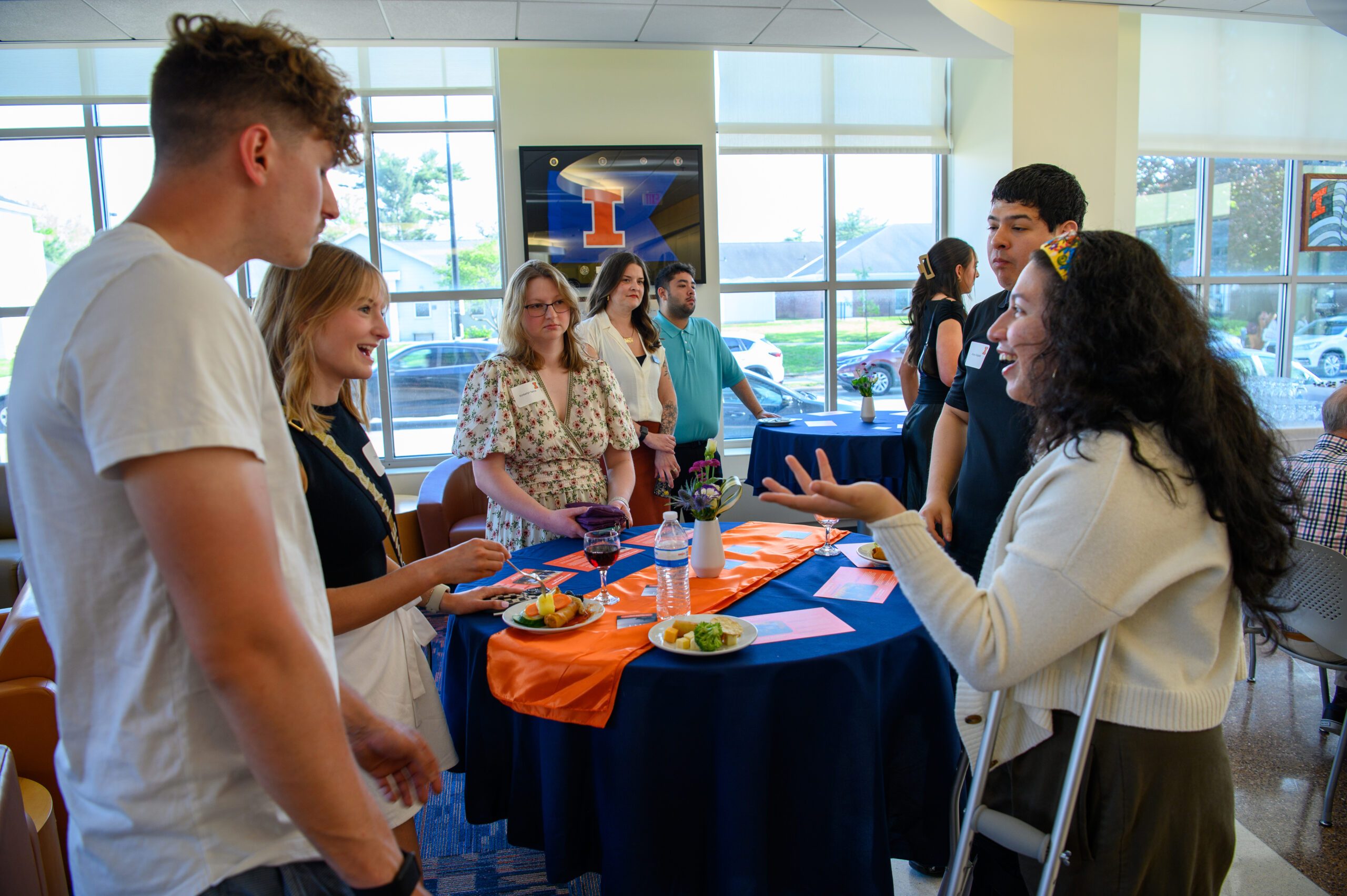
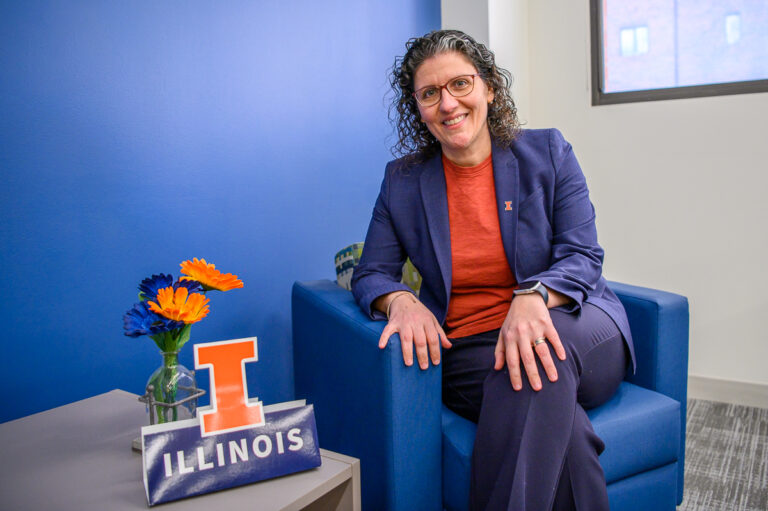
RST Assistant Professor Yannick Kluch studies social justice protests and political activism in Olympic and collegiate sports. (Photo by Fred Zwicky)

What was the origin of Rule 50?

A first version of Rule 50 was added to the Olympic Charter in 1955. During the Cold War, the International Olympic Committee was thinking about ways to keep politics out of sport. In my work, that’s one of the key questions I look at. Spoiler alert: It’s not possible. Sport and politics always mix.

The IOC views the Olympics as a neutral place where everybody can come together regardless of their differences. However, the Olympics have always been mixed with politics.

Rule 50 came into the public spotlight after the 1968 Mexico City Olympics when U.S. athletes John Carlos and Tommie Smith protested by raising their fists on the podium. That’s become one of the most iconic images in sports history. The backlash was intense. After that, the IOC added the terms “racial propaganda” to the rule.

Who have been the rule’s greatest proponents?

recent study I conducted looked at that question. We found that the biggest proponents are Olympic committees representing dictatorships like China and Russia. They support the notion that we shouldn’t talk about politics in sport, whereas more democratic countries such as the U.S., Germany and Canada believe the rule infringes on athletes’ freedom of expression.

The IOC advocated heavily to keep the rule, although there have been some developments, especially leading up to the 2020-21 Tokyo Games. More recently, the IOC made an addition to Rule 40 that underlines athletes’ right to freedom of expression. That change has important implications for any policy seeking to silence athlete protests, such as Rule 50.

What consequences are imposed on athletes who violate Rule 50?

There’s a lot of inconsistency and lack of communication about the consequences.

In 1968, Tommie Smith and John Carlos were expelled from Team USA. In 2019, when Gwen Berry raised her fist at the Pan-American Games, the USOPC put her on probation.

However, the USOPC later reversed that decision as part of a comprehensive policy change that now allows Team USA athletes to protest at USOPC-sanctioned events.

In Tokyo in 2021, when Raven Saunders raised her arms on the podium in protest, initially the IOC wanted sanctions, but Raven’s mother died a couple days later so the IOC chose not to impose any.

There were other protests at the Tokyo Games that revealed an inconsistent stance. For example, the IOC allowed a German athlete to wear a rainbow armband in support of LGBTQ+ people during competition—which would usually be a clear violation.

Are there indications that the IOC is becoming more tolerant of athletes’ protests?

The IOC’s response to the 2020-21 protestors was very different compared with 1968 and hints that things are changing somewhat.

Generally, the IOC portrays itself as more tolerant, but there is little evidence that policies have changed. The IOC issued a consultation request in 2019 inviting athletes, experts and the national committees to weigh in on Rule 50—but it remains intact.

However, we had historic changes on the U.S. side. The U.S. Olympic and Paralympic Committee created the inaugural Team USA Council on Racial and Social Justice, bringing together over 40 Team USA athletes, alumni, national governing body representatives and external experts. I was one of the four experts.

The Council released recommendations saying that Rule 50 infringes on athletes’ freedom of expression because it’s not compatible with the major human rights frameworks in sport and international relations.

About two days later, the USOPC Board of Directors announced they would no longer punish athletes for peaceful protests. This was a complete 180-degree reversal. Just two years before, they had sanctioned athletes Gwen Berry and Race Imboden, but the council’s recommendation led them to lift those sanctions.

Do you foresee similar protests from U.S. athletes at the 2024 Summer Games?

Four years ago, I would have said yes because there was a lot of conversation on racial and social justice globally. Support for athletes utilizing their platforms for social good was at an all-time high. 

Leading up to the Paris Games and this next decade of sport mega-events, I am a little worried that the protest momentum has fizzled out. Four years ago, I got a lot of inquiries from national governing bodies about how to manage protests. But it’s been quiet, so I don’t anticipate as many.

Still, there are many issues worth speaking up about right now—including systemic racism affecting athletes globally and the treatment of LGBTQ+ people. We have some great Olympic and Paralympic athlete leaders advancing social justice, so hopefully we’ll see some discourse surrounding these topics.

Editor’s note: There were no major protests at the 2024 Olympics or Paralympics.

Share on social
Related news

Message from the RST Department Head


Greetings, Friends and Alumni of the Department of Recreation, Sport and Tourism,

Welcome to the fall 2024 edition of the RST newsletter. I am pleased to share highlights of the latest research from our faculty, remarkable student achievements, and the continued involvement of our distinguished alumni.

We are proud to spotlight the accomplishments of our students and showcase how the cutting-edge research conducted by our faculty positions our department as a leader in advancing knowledge, shaping the future of our field and addressing pressing issues in the communities we serve. Whether you are an alum, current student, or a member of our esteemed faculty, we hope you find these stories both inspiring and thought-provoking.

As I reflect on this past academic year away from RST, I am profoundly grateful for the strong tradition of leadership within our faculty and alumni network as I return to this post. Your steadfast support and commitment have been instrumental in the continued growth and success of our department, evidenced by our expanding educational programs and sustained influence in academic and professional arenas. Together, we’re connecting the academy with industry and making a difference in people’s lives. With your continued partnership, we’re shaping a healthier, more inclusive future for communities. Thank you for being such an essential part of our journey!

Warm regards,

Carla Santos
Head
Department of Recreation, Sport and Tourism

Related news

RST Ph.D. candidate is developing a culturally responsive-sustaining water safety program


RST doctoral candidate and longtime swim instructor Latashia Key says targeted, inclusive swim lessons for young Black girls are crucial in not only decreasing disproportionate drowning rates but to improve confidence and self-esteem. (Photo provided)

Black people have the second-highest drowning rates of any race or ethnic group in the United States, according to a recent report from the Centers for Disease Control, and the rate of drowning increased 28 percent in 2021 from 2019. A large part of this troubling trend is that many Black children and families have limited or no access to swim lessons that could prevent these deaths. Latashia Key, a Ph.D. candidate in the department of Recreation, Sport and Tourism at the University of Illinois Urbana-Champaign and a swim instructor for more than 35 years, knows this well, and she is aiming to change it.

Latashia recently received a grant from the Illinois Association for Health, Physical Education, Recreation, and Dance to fund her research. Her study, “Making Waves to Design an Aquatic program for African American Girls: A Culturally Responsive-Sustaining Swim Lesson and Water Safety Program,” seeks to design, analyze and reproduce what she refers to as “culturally responsive” swim lessons targeted toward young Black girls. Latashia says targeted, inclusive lessons are crucial in not only decreasing disproportionate drowning rates but can also improve confidence and self-esteem through learning an essential lifelong skill.

One contributing factor to low rates of Black swimmers “is the generational trauma” Latashia said. From segregated pools to communities that often didn’t have access to pools, many Black families passed fear of the water, or a general sense that “Black people don’t swim” to their children. Young swimmers often don’t see Black swimmers, lifeguards or instructors in their communities, she said. 

Latashia completed the third iteration of her study in the summer of 2024 in Indianapolis where the Olympic Swim trials were held, which was a perfect backdrop for her program and an opportunity to expose more Black girls to the sport. The program involved collaboration with different local organizations to recruit participants and instructors in the communities where the program was being held. This iteration was conducted over five weeks with the girls meeting two times a week for 45 to 60 minutes, and included lessons in and out of the water. 

Also, instructors taught basic water competency skills such as bobs—which helped children learn to go under water by getting their face wet and blowing bubbles—front and back floats, flutter kicks and jumping into the pool with and without a life jacket. Girls also learned that there are Black women and girls who participate in sports such as swimming, diving, synchronized swimming and water polo. Latashia said some iterations had more involvement from parents but the participation of the children and hearing their reaction to the study was heart-warming.

“I think the biggest takeaway is a culturally responsive program like this is very needed, but also very well received, especially by the parents,” she said. 

RST Associate Professor Toni Liechty, Key’s mentor and advisor, said working closely with the communities in which different iterations were held was crucial in the development of this study. Liechty emphasized how important this study is due to the lack of similar research. “I was really shocked at how few studies have actually been done on the topic, especially when we know that there’s this big drowning gap,” Liechty said. “More research like this is needed to explore the disparities and facilitate swim education. Projects like these happen because there is someone like Latashia who is passionate about addressing the issue and understands the way water experiences can change lifestyles.”

The history of Black people and swimming is long, beginning at the trans-Atlantic slave trade and continuing through 19th century Jim Crow laws and into the 20th century with segregation. Black people were historically kept out of leisure spaces—such as public pools or beaches—reserved for white people, and this lack of access has bled into current times. It was only in 1973 that the Supreme Court ruled that private swim clubs weren’t allowed to deny membership to residents based on race, and harmful stereotypes and a culture of fear still pervade conversations around Black people and swimming. 

That history is why representation was such an important factor in the study, according to Latashia. She spoke about how her undergraduate education at Morgan State University, one of 107 historically black colleges and universities, or HBCUs, made her feel empowered as a woman of color.

“I didn’t realize there were Black professors until I enrolled at Morgan State,” she said. “I understand the impact those educators had on my ability to dream and imagine myself in non-traditional spaces. For this study, it was important to recruit instructors who were African American, knowing the power they can play in teaching others that look like them. I think it is important to actually have the opportunity to impart and empower children to know they can do it. What they saw, what they learned about swimming, and that swimming is for Black people and Black kids and Black girls and Black boys.”

When it comes to the future of her research, Latashia and Liechty hope to be able to develop a strategy for culturally responsive swim lessons that can be translated to any community that wants to implement it and Latashia said some communities she worked with on the research have already expressed interest. Also, she was impacted by the emotional response of the children who participated, and watched their fear and anxiety about swimming dissipate and turn into joy was fulfilling.

“The pool should be fun,” she said. “I think that’s the big thing.”


Share on social

Related news

KCH changes name to HK


Beginning August 16, 2024, the name of the Department of Kinesiology and Community Health (KCH) will officially change to the Department of Health and Kinesiology (HK).

The new name better reflects significant changes in our disciplines, research interests and educational mission. Health and Kinesiology allows for a broader, more inclusive representation of a department that focuses on multiple aspects of health and physical activity in a diverse society. It also honors our legacy as leaders in the field of health and kinesiology, while pointing the way forward to a future that is both dynamic and innovative. 

We are excited about the new name and hope you are as well!

For more information, read our news release on the name change, and check out the News-Gazette‘s story on the decision.

Related news

HK faculty, students honored

Graber is new president of AKA

HK Department Head and Professor Kim Graber took over in January as president of the American Kinesiology Association. Graber replaces Auburn Professor Jared Russell, while Utah Professor Tim Brusseau takes over as president-elect.

Hallal receives APHA honor

Pedro Hallal

Pedro Hallal, the Alvin and Ruth Sandall professor of kinesiology and director of the Master of Public Health program in the College of Applied Health Sciences, received the 2023 David P. Rall Award for Advocacy in Public Health for his COVID-19 research and public health messaging in the face of political opposition. Hallal developed the EPICOVID-19 project, which tracked the spread of COVID-19 across Brazil and uncovered racial health disparities that were regularly dismissed by then-Brazilian President Jair Bolsonaro. Hallal shared Brazil’s COVID-19 health data with the world despite threats to his livelihood and well-being from the Brazilian government.

Kevin Richards wins AERA award

HK Associate Professor Kevin Richards was selected as the recipient of the 2024 Catherine D. Ennis Scholar Award for the AERA SIG 93. This award is designed to recognize an outstanding scholar in the field of learning and instruction in physical education.

VanHoutan chosen for SHAPE honor

Kinesiology major Emma VanHoutan was selected to receive the SHAPE America Major of the Year award. The award is given annually to one outstanding undergraduate student in the field of health, physical education, recreation and/or dance. VanHoutan plans to graduate with a bachelor’s degree in 2024.

Strittmatter selected for AIESEP award

HK doctoral candidate Gabrielle Strittmater was selected as one of 21 doctoral students from around the world, and one of only three from the United States, to attend an international doctoral “summer school.” The summer school will provide time to interact with other doctoral students and faculty members while delving into topics of interest for aspiring researchers. The event will take place during the AIESEP conference this summer in Finland.

Long-time RST faculty member Espeseth remembered for work and friendship


Bob Espeseth was an RST faculty member for three decades (Photo provided)

It’s no surprise that a man who was as outgoing as Bob Espeseth dedicated his life to creating opportunities for others to be outdoors.

“When we grew up, we were always doing stuff, always camping a lot, being outdoors,” said Robert Espeseth, one of Bob’s five children with wife Mary Anne. “That was just us. Part of the trips was to get to see the country … we got to grow up seeing a lot of the parks and a lot of the country and different things. 

“He was always happy to meet everybody. He went out of his way when he traveled to look up people and stop in and visit, or at the very least call when he was in the area.”

Espeseth, who was a faculty member in the Department of Recreation, Sport and Tourism at Illinois from 1973-95, died on Dec. 15, 2023 at the age of 93. 

Espeseth grew up in Wisconsin and earned a degree in landscape architecture at the University of Wisconsin, all while serving in the ROTC. Espeseth’s ROTC commitment sent him into the Navy, where he was on active duty for three years. He was an ensign in the Navy when he was the films officer for the USS Purdy, a destroyer that traveled around the world to provide support in the Korean War.

“After he got out of the Navy, he went back and got his master’s degree, and then he started working for the Wisconsin parks system,” son Robert said. “He was instrumental in developing and modernizing a lot of the Wisconsin State Parks, the rails to trails.”

Espeseth also worked in parks administration in Michigan before coming to the University of Illinois, where he was a professor of leisure studies. Colleagues remembered him as warm and helpful.

“He was kind and fun-loving. He was very quick to laugh. Most of my memories are I would go for a run in the morning and he and Mary Ann would walk from their house on Healy Street down to Prospect Avenue.”

RST faculty member Kim Shinew

“And they were standing in front of this tree on Healy one day. And just something about it made me stop, which was unusual. When I run, I usually don’t stop. I stopped, and he said, ‘Do you know what kind of tree this is? And I said, ‘I have no idea, Bob. And he said, ‘It’s a ginkgo tree. They lose their leaves in one day.’ And he said, ‘Long after I’m not around, when you go by this tree, you think of me. And I always have. I always just thought of him when I ever go by that tree.”

In addition to his academic endeavors, Espeseth volunteered for more than 45 years for the Champaign County Forest Preserve District, first as an elected official and later as a foundation board member. His volunteer work and philanthropic endeavors played a significant role in establishing and caring for nearly 4,000 acres of preserves, the Museum of the Grand Prairie, and the Kickapoo Rail Trail.

“He knew the important role that public parks and places like forest preserves, the role that they play in overall life satisfaction and quality of life and places of exercise,” Shinew said. “I know that he really valued and appreciated the outdoors. He was an advocate for that in communities.”

“When I came and Bill McKinney was the (RST) department head, Bill’s area was public parks and recreation. Bob played a big role in that.”

Even now, Shinew said, the connection between landscape architecture and community planning and engagement—two other significant RST industry fields—is significant, a testament to Espeseth’s pioneering work.

Espeseth was also, not surprisingly, an advocate for environmental causes and helped to launch the Illinois-Indiana Sea Grant, which support coastal, marine and Great Lakes communities through research, extension and education. The Illinois-Indiana Sea Grant, one of 34 Sea Grants in the United States, is focused on the southern Lake Michigan region—104 miles of heavily urbanized and industrialized shoreline in Illinois and Indiana. Espeseth was at the helm of IISG from 1982 through 1994. 

But family and greenspace were really Espeseth’s loves. He was part of the National Parks and Recreation Association, and thanks to that, he took his family on many trips.

“We stopped at every state park and national park in the country,” Robert said. “Well, he would pose us, all of us—my brothers and I—in front of the sign to the park, the entrance to the park to take a picture of the entrance. Part of it was he wanted this file of information, but then he also could use it as family pictures. We used to joke that our father has the best collection of park entrances and bathrooms, because he’d always shoot the restroom facilities, how they were designed, how they were landscaped with natural stone or other things. 

“So we’re posed in front of stuff, whether it was in Yosemite, whether it was Yellowstone, whether it was in Grand Teton, whether it was in Craters of the Moon Park, you name it. We used to joke he has the most amazing collection of bathroom pictures in the United States. 

“That was how practical and frugal he was.” 

Related news

Outdoor Recreation Consortium: An RST trip to the Smokies—for class credit


Assistant Professor Nick Pitas (first row on left) poses with RST 199 students at the Great Smoky Mountains Institute in Tennessee.

Kiara Frausto thinks she might’ve been “kind of spoiled” in her first visit to a national park. 

That’s because the University of Illinois junior was treated to a week full of hands-dirty field research at the Great Smoky Mountains Institute—where students banded birds, caught salamanders and listened to Appalachian folk stories—and it all counted for course credit. 

“It’s probably going to be hard to beat this one,” Frausto said. “Now I want to see all the other national parks.” 

Buses full of students from seven universities rolled into the Great Smoky Mountains Institute at Tremont in Tennessee just after spring break, ready for a week of experiential learning in the country’s most visited national park. 

For the first time in more than a decade, University of Illinois students got to join the group, known as the Outdoor Recreation Consortium. The roster of involved universities has shifted over the years; Illinois dropped out years ago without a faculty member to run the trip. 

But now, with second-year Recreation, Sport and Tourism Assistant Professor Nick Pitas at the helm, Illinois has returned to the fold. 

This year, nine students took the eight-week RST 199 course: Outdoor Recreation Consortium, which culminated in a six-day stayaway visit to the Smokies. 

Students and faculty from six other schools took part this year, including Penn State University, North Carolina State, East Carolina, University of Missouri, Texas A&M and Western Illinois.

Pitas is well-traveled alumnus of the course, which has been around in some form for 46 years. He enrolled and visited the Smokies while he was a student at Penn State, then rejoined the trip as a teaching assistant—twice—before eventually teaching it as a faculty member. 

“This was my fifth time going,” Pitas said. “But first time as a faculty here at Illinois.” 

What kept him returning to the trip were the rich, hands-on experiences that embodied all the concepts the course had prepared them for. Once in the Smokies, students hear from real National Park Service rangers and administrators, natural resource scientists and community partners, all while assisting them with field research data collection. 

At Illinois, RST 199’s eight week were spent introducing students to the operations of a national park, through its history and cultural context, the wide biodiversity in the region, and the management of the park’s record visitor numbers. Students also broke off into “committees” to help organize the trip, from transportation logistics all the way to morale-boosting exercises. 

“From a professional standpoint, I think it opens their eyes, hopefully, to the breadth of opportunities that are available in the outdoor recreation, natural resource, and tourism space,” Pitas said. “But the bulk of the learning is when we’re there. It’s like going to summer camp except with an extra learning component baked into it.” 

Michela Ossola, a senior in natural resources and environmental sciences at ACES, helped map the ideal driving route to the Tremont Institute in Blount County, Tennessee. Once there, daily trips to the forest and engaging learning sessions kept the time flying by.

“It’s a week detox of being off your phone, and every evening we’d have people come by, folk storytellers, folk music, a bear caller. A lot of those things you don’t get for free these days,” Ossola said. “It’s definitely a highlight in the four years I’ve gone to U of I.” 

Many of the students this year, like Ossola and Frausto, came from the College of ACES. Undergrad students in the college are required to complete a field experience before they graduate. 

But Pitas would like to grow the number of Applied Health Sciences students who come through the class, like Genna Peters, a junior in RST who’s interested in pursuing an outdoor recreation career post-graduation. 

Peters loved getting to know the professionals from the Appalachia area, like a park ranger who was enrolled in the Western Cherokee tribe and mingling with students from all the other universities. 

“The biggest experience for me being around all these other people my age who shared in the same interest and wanted to go into the same field as me,” she said. “It was really cool to know this park has this giant history of all these different people who work there, but they also really truly treasure the culture and history of the park itself.” 

As much as the field knowledge broadens horizons for the students who go, Pitas knows the relationships they build are just as important. 

“It’s not always the case that an adult has a chance to have a camp experience and just go and be with people they know and people they don’t know, and have that of connection and experience together,” Pitas said. 

“I feel very lucky to have the chance to do it, would be my overarching feeling this semester. This is awesome. Can’t believe I get to do this for work.” 

Editor’s note:

To reach Ethan Simmons, email ecsimmon@illinois.edu.
 

Share on social

Related news

Yogi, OT, teacher, researcher: Kinesiology Ph.D. candidate explores yoga for pain management


Stephanie Voss poses outside of Freer Hall.

To doctoral candidate Stephanie Voss, chronic pain treatment and yoga have more in common than we think. 

Voss, now in her third year of a kinesiology Ph.D program at the University of Illinois, first came across the connection while working as an occupational therapist at the Shirley Ryan AbilityLab, a rehabilitation research hospital in Chicago. 

While she consulted patients who were dealing with persistent, chronic pain, Voss was training to become a yoga instructor—an out-of-class hobby that helped her overcome her own studying-induced back pain. 

“I couldn’t get over how similar the treatment approaches are,” Voss said. “Yoga is very much a holistic practice, and we address chronic pain in very much a similar way—it involves working as part of an interdisciplinary team on strength and muscle conditioning and posture and body mechanics. We also work on the psychological components, the emotional components and how we can integrate pain management strategies into daily life.” 

Today, Voss’s research at the College of Applied Health Sciences merges the two: How might yoga be used to manage lasting pain? 

This fall, she was named a recipient of the Paul D. Doolen Graduate Scholarship for the Study of Aging, an annual award given to two University of Illinois graduate students whose scholarly work advances research on the human aging process. 

With the help of the Doolen scholarship, Voss will develop a yoga protocol that specifically targets interoception, or the ability to perceive and interpret the sensations within one’s own body, an ability which may fade as we age. 

The project will explore whether yoga can improve older adults’ abilities detect and interpret feelings of pain and discomfort within their bodies. 

“I found [the scholarship] relevant to my research because most of my patients are older adults,” she said. “Chronic pain is immensely prevalent in older adult populations for various reasons but interestingly older adults tend to not be included in pain trials as often.” 

What the $4,250 scholarship gives her for now is “breathing room,” Voss said. “Being a grad student isn’t always easy from a financial standpoint, so having a little bit of extra support to free up my time and mental space, it’s one less thing to worry about.” 

Voss received her B.S. in Communication Sciences and Disorders from Northwestern University in 2014 and her M.S. in Occupational Therapy from Rush University in 2018.

She began at the University of Illinois in August 2021, working under former Illinois KCH Associate Professor Neha Gothe in Gothe’s Exercise Psychology Lab. Gothe was one of the only academics exploring the connection between yoga and pain management. Voss, then fully working as an occupational therapist, reached out to Gothe over email, expressing her desire to pursue a Ph.D. under her.  

Since then, Voss has worked as a research assistant and teaching assistant, having instructed an introductory-level yoga class while periodically working with patients at the AbilityLab in Chicago. She recently taught the yoga intervention for one of Gothe’s research studies working with older adults. 

“That got to really challenge my clinical and yoga teaching skills to integrate modifying postures for people who live in different bodies than mine,” Voss said. “It’s so immensely important that my research questions are rooted in the clinical needs of the patients. I want to make sure I’m still in touch with that population.”

When Gothe departed Illinois for Northeastern University in Boston, Voss decided to stay and finish the final stages of her Ph.D. program, with KCH Professor Steve Petruzzello stepping up as her on-site doctoral co-advisor. 

“She’s very smart, and very personable,” said Petruzzello, who first met Voss while she made insightful comments in his class, KIN 443: Psychophysiology of Exercise & Sport. “It’s just refreshing for somebody to have such a good perspective on the science of what she does, but to also be very respectful and willing to take criticism for what it’s worth.” 

Both her mentors described Voss as a methodical, talented researcher whose clinical experience has given her unique perspective and a deft ability to communicate scientific concepts to different audiences.  

“She has an eye for translation and application of the research in clinical as well as real-life settings,” Gothe said. “Her years of yoga training and teaching also give her a unique advantage to work and communicate with her patients and research subjects.”

After her graduation, expected in spring 2025, Voss hopes to work in a hybrid clinical-academic position. In the meantime, Voss has seen great recruitment interest in her dissertation research, examining yoga as a strategy for chronic pain management.  

“I do feel like I will be leaving with a degree that gives me a lot of opportunity and flexibility that I can teach in occupational therapy departments. I’ll be fully qualified for that, but I’ll also be fully qualified to teach in more traditional academic university-based settings that are not necessarily a clinical program,” Voss said.  

Editor’s note:

Stephanie Voss completed her Ph.D. at Illinois in May 2025.
 

Related news

KCH becoming HK this fall


The University of Illinois at Urbana-Champaign’s College of Applied Health Sciences is proud to announce a significant milestone in its ongoing commitment to advancing health sciences education and research. Effective Aug. 16, the Department of Kinesiology and Community Health will officially change its name to the Department of Health and Kinesiology.

The new name better reflects significant changes in our disciplines, research interests, and educational mission. Health and Kinesiology allows for a broader, more inclusive representation of a department that focuses on multiple aspects of health and physical activity in a diverse society. It also honors our legacy as leaders in the field of health and kinesiology, while pointing the way forward to a future that is both dynamic and innovative. 

The name change was a decision that was made based on goals highlighted in the KCH Strategic Plan and upon the recommendation of the KCH Restructuring Task Force. It was supported by multiple stakeholders and was recently approved by the College of Applied Health Sciences, UIUC Senate, and Board of Trustees.

Cheryl Hanley-Maxwell, dean of the College of Applied Health Sciences, expressed enthusiasm about the department’s name change, saying, “The renaming of our department to Health and Kinesiology aligns with our strategic vision of fostering interdisciplinary collaboration and addressing the multifaceted aspects of health and wellness. This change reflects our commitment to providing innovative education, conducting impactful research, and serving our communities.”

HK Department Head Kim Graber said, “As the department evolves to better reflect the dynamic landscape of health and movement sciences, we believe the change to Health and Kinesiology not only embraces our commitment to comprehensive wellness but also underscores our dedication to advancing research, education and outreach in these vital areas.”

The Department of Health and Kinesiology offers a wide range of undergraduate, graduate and doctoral programs aimed at preparing students for careers in health promotion, exercise science, public health, rehabilitation, and related fields. With world-class faculty and state-of-the-art facilities, the department equips students with the knowledge, skills, and practical experience needed to excel in diverse healthcare settings.

For more information about the Department of Health and Kinesiology at the University of Illinois at Urbana-Champaign’s College of Applied Health Sciences, please visit this link.

Share on social

Related news

RST Alumni Collaborate on Children’s Book


Some find online classes to be isolating, but for two graduates of the College of Applied Health Sciences’ Recreation, Sport and Tourism online master’s program, the opposite was true. Charlie Hoffmann and Sean Baptist got to know each other while participating in the program in 2023, and it led to an artistic collaboration.

Hoffmann and Baptist, who have never met in person, spent the past year writing “Your First Ski Trip! A Kid’s Guide For Your First Ski Adventure,” an illustrated children’s book centering around ski and snowboarding knowledge and safety. 

“We live a couple hours away from each other, but we’ve never been in the same room,” Hoffmann said. “And we both kind of have that same RST philosophy where we’re happy to do a million hours of work, just so kids—young people—can enjoy themselves.”

Hoffmann and Baptist both had established careers in the recreation-sport-tourism industry before they chose to enroll in the online master’s program in 2022, but they came from very different backgrounds. Hoffmann, currently the director of recreation for the Borough of Rumson, New Jersey, found his love for recreation studies organizing basketball tournaments for his friends as a child.

Baptist, on the other hand, has a background in art, working as a freelance illustrator before he transitioned into children’s books. He got involved in community programming in New York City after taking on a position as an art educator with the parks department and subsequently helping start a rugby program.

“I decided I wanted to devote myself to recreation and public programs,” Baptist said. 

So what drew them together?      

They connected over skiing and snowboarding in their final semester in the program. Hoffmann got hooked on skiing at age 11, ran a ski club at a high school for several years as part of his career in recreation and still skis and rides for leisure today. Baptist said he didn’t click with skiing initially, but after falling in love with skateboarding, his father convinced him to get back on the slopes in his home state of Michigan and try snowboarding. It quickly became a passion. 

The idea for the book wasn’t a new one. When Hoffmann led the ski club, he noticed how little families knew about the sport. “I heard people say, ‘How come a chair is moving? What does ski patrol do? What’s a black diamond?’ And that’s when I was like, ‘Wow. People really don’t know this.’ And the concept sat in my brain for a long time before it got to paper.”

So, when Baptist talked about his love of snowboarding and background as an illustrator to their shared class, it only made sense to collaborate. 

“Light bulbs went off in my head because I had the book partially written,” Hoffmann said. “I went online and looked at some of his stuff, and it was so perfectly in line with what I was looking for.”

Both of them are excited to be able to share their passion with other kids through this book in the same way they do running public sport and recreation programs in their careers.

“When a cool project comes across my desk, I’ll jump on it and say, ‘Hey, this is something I want to be a part of,” Baptist said. “I really want to educate people on how to safely do this, and how it can be fun, and everything they need to experience.”

They credit the RST online master’s program for bringing them together and elevating their knowledge and network as RST professionals. Hoffmann said he particularly enjoyed the collaborative work he did in the program as a contrast to his day-to-day work life. 

“I’m literally a department of one,” he said. “Sometimes it’s hard to play well with others in the sandbox, but it was so much better, because they [other students] bring more to the table than I do.”

The convenience of an online education allowed Baptist to maintain his career and life in New York. Being in a master’s program has also proved useful for pursuing employment in parks, a field in which he didn’t have much experience.

“The program was not only rapidly catching me up with everyone else, but Illinois has just been the gift that keeps on giving,” he said. “And it just kind of opened up this world of opportunity where people were like, ‘Oh, OK, that’s an achievement on its own, that this guy’s in grad school.’”

The two still haven’t met in person, but their shared experience in the program led to a friendship and fulfilling professional collaboration for both. The book’s unlikely conception is due not only to their time at Illinois, but the values and passions that brought them to the program in the first place.

“We kind of share that mentality of just doing selfless acts just to help others fall in love with stuff like we did,” Hoffmann said.

Share on social

Related news

College of Applied Health Sciences
110 Huff Hall
1206 South 4th Street
Champaign, IL 61820
(217) 333-2131