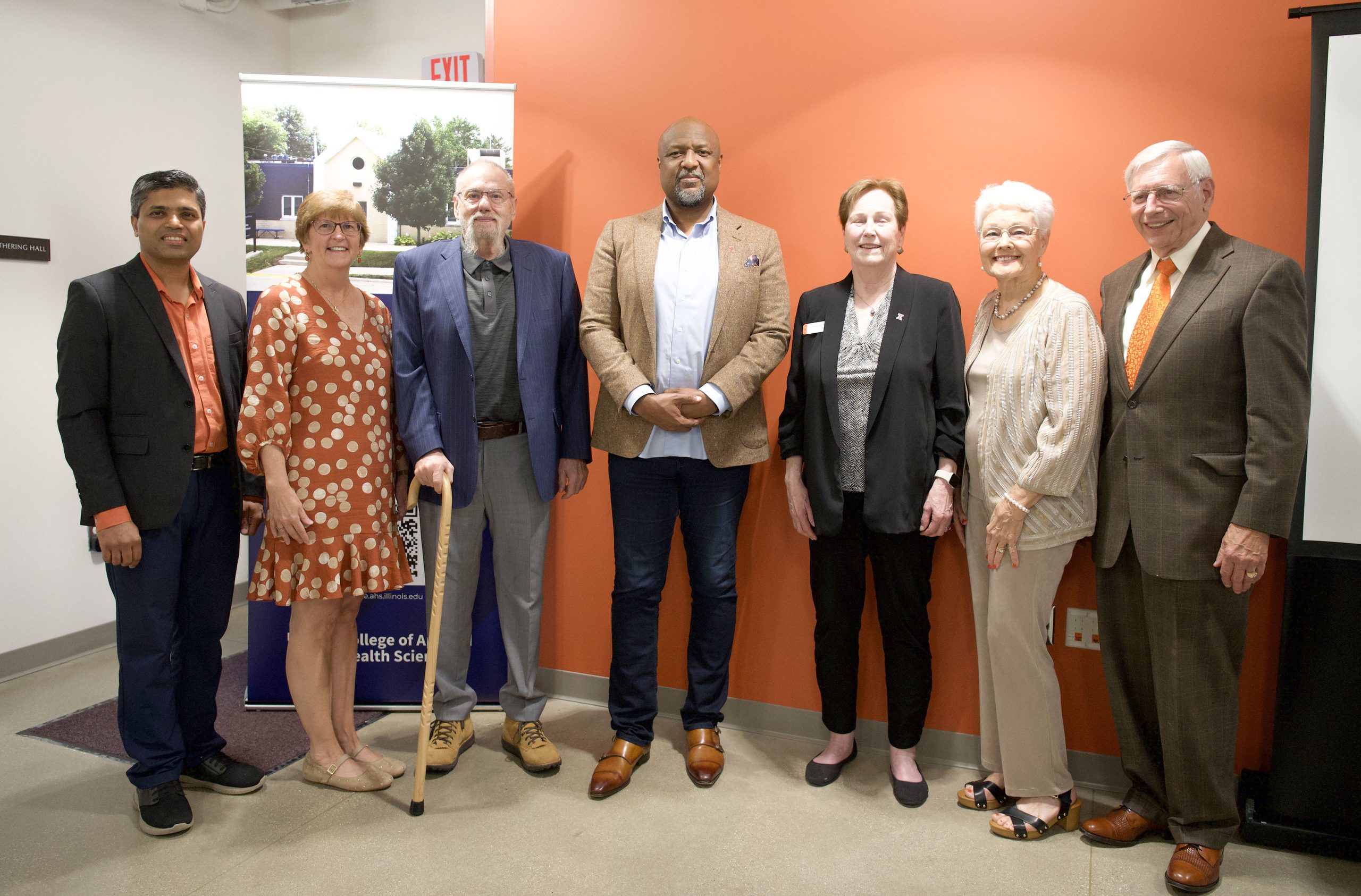
RST Department Head Carla Santos at the department’s 2025 awards ceremony (Photo by Bradley Leeb)
Hello RST Friends and Alumni,
Welcome to the spring 2025 edition of the RST newsletter! We are excited to share some of the latest research breakthroughs from our faculty, outstanding student achievements and the ongoing contributions of our incredible alumni.
This year, we are especially proud to showcase how our students and faculty are leading the way in shaping the future of recreation, sport and tourism. From groundbreaking research to impactful community engagement, RST is at the forefront of addressing critical issues and advancing knowledge in our field.
In this issue, you’ll find stories on how racial segregation and park availability impacts physical activity, how misinformation can alter voters’ minds on green spaces, and the growing global impact of RST initiatives. As we reflect on the past year, I’m deeply thankful for the leadership and support from both our faculty and alumni. Together, we’re bridging the gap between academia and industry to drive meaningful change in communities near and far.
Thank you for being a vital part of our journey. Here’s to a brighter, healthier and more inclusive future!
May 21, 2025 | Laura Payne, Mike Raycraft, Kim Shinew and Monika Stodolska
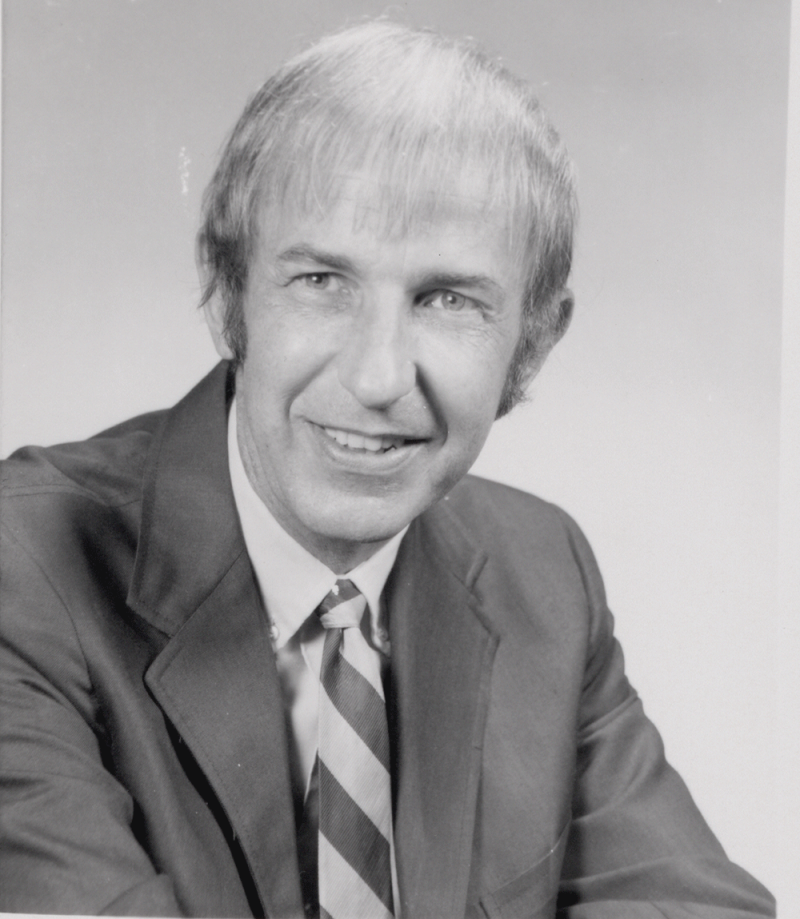
Jack Kelly, a professor in the Department of Leisure Studies at Illinois for many years, died on Feb. 10, 2025, at the age of 94. Faculty members of the Department of Recreation, Sport and Tourism collaborated to write this remembrance of Kelly.
Jack Kelly, a professor in the Department of Leisure Studies at Illinois for many years, died on Feb. 10, 2025, at the age of 94 (University archives)
Professor Emeritus Jack Kelly was a trailblazer in the field of Leisure Studies and was instrumental in establishing the field of Leisure Studies. Kelly anticipated many societal issues and trends in the 1970s and early 1980s that advanced knowledge of healthy aging, the study of work and leisure, socialization and leisure and family leisure.
“We as a field owe Jack a great deal,” said retired RST faculty member Kim Shinew, who joined Kelly at the University of Illinois in 1993. “He catapulted us forward by making our research more relevant, and he increased our visibility to others outside the field.” Dr. Kelly’s research laid the theoretical foundations of the field through seminal works such as Leisure; Sociology of Leisure; Freedom to Be: A New Sociology of Leisure; and Leisure Identities and Interactions.
Kelly was one of the first leisure scholars to recognize that research advances were not keeping pace with societal trends and issues. He pushed the field to address the sociological and psychological aspects of leisure, which offered important advancements in leisure research and contributed to the development of professional best practices. A dynamic teacher, Kelly emphasized the connections between research and professional practice.
“I was fortunate to be a student in Dr. Kelly’s final LEIS 501 course in the early 1990s,” said RST faculty member Michael Raycraft. “He made it clear that an appreciation of leisure theory was critical for practitioners as it guided informed decisions and was the basis for effective RST programming. That was heavy stuff for a kid fresh out of business school. I am grateful to have learned from one of the best!”
Kelly’s pioneering research and dynamic teaching are stellar accomplishments in their own rite, but even more impressive since higher education was his second career.
Kelly grew up in Chicago and studied philosophy at Monmouth College and then earned an M.A. in Theology from Yale University to pursue a career as a congregational minister. Newly married to his beloved wife Ruth, the couple moved to rural Montana where Kelly served in two parishes that were so far apart, he flew his Cessna airplane back and forth between church services. In the 1960s, he decided to change careers and earned both master’s and doctoral degrees in sociology from the University of Oregon.
Kelly spent most of his career at Illinois as a professor in the Department of Leisure Studies and the Institute for Human Development. He was also the Director of the Gerontology and Aging Studies program. “He enjoyed mentoring young faculty and encouraging them to conduct creative and meaningful research,” Shinew said. “Over coffee on campus or dinner at his home, Jack stressed the importance of research to advance the field.”
Faculty member Monika Stodolska remembers meeting Kelly when she joined the faculty in 1999. “He mentored me in the first course I taught at UIUC. Jack taught Theories and Concepts of Leisure for a long time, and I began teaching the course when he retired from our faculty. I still use some of the classic texts that Jack put on the reading list. His legacy lives on.”
After retiring, Kelly remained active doing research, teaching and publishing journal articles and books. He returned to Illinois in 2001 for one semester to teach a graduate course on Sociology of Leisure and connect with faculty and students.
Faculty member Laura Payne recalled her first meeting with Dr. Kelly when she joined the department in 2001.
“Jack was so welcoming and tried to connect with me,” Payne said. “We got together and discussed our shared interests in trends and issues, especially about health and aging, and I learned a lot from our thought-provoking conversations.”
A prolific writer, Kelly authored 11 books, many of which were considered seminal, including the classic conceptual and theoretical texts already mentioned, and widely read books such as Leisure, Activity and Aging, Recreation Business, and Recreation Trends and Markets in the 21st Century, whom he co-authored with Dr. Rodney Warnick, a faculty member at the University of Massachusetts.
Kelly had a wide range of leisure interests. He enjoyed the arts, tennis, singing, reading, flying and the outdoors. After he retired, he and Ruth spent time at their homes on Beaver Island, Michigan and on Jekyll Island, Georgia where they enjoyed bicycling, tennis and other outdoor pursuits.
“Jack’s life exemplified his knowledge of the importance of leisure throughout the lifespan. He practiced what he preached,” Shinew said.
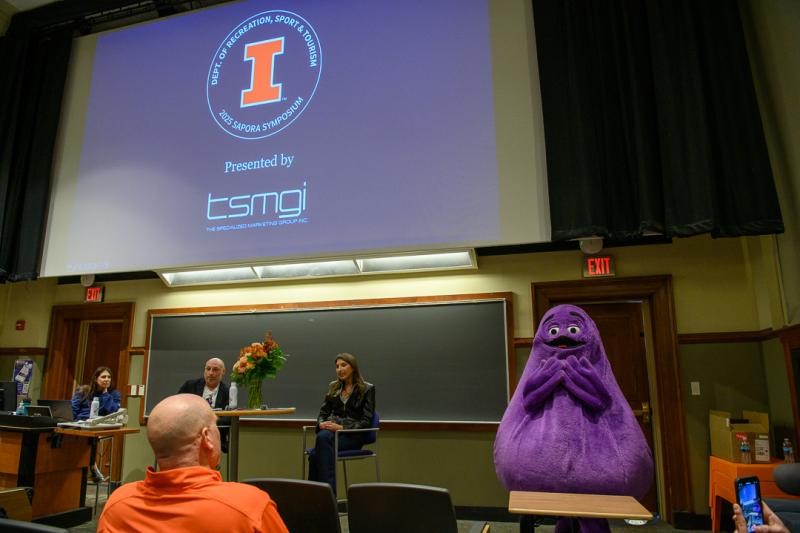
George Huff was the theme, but Grimace stole the show
Lovable McDonald’s character Grimace made a surprise appearance at the 2025 Sapora Symposium (Photo by Ethan Simmons)
The theme of the 2025 Sapora Symposium was visionary leadership, coinciding with the 100th anniversary of Huff Hall and paying tribute to the legacy of George Huff. Only one thing could potentially overshadow that, and it is purple and lovable: Grimace.
The iconic McDonald’s character—who’s ostensibly a tastebud—made his appearance during one of the final Sapora panels on March 28 at the Armory. Grimace’s appearance coincided with a panel on viral marketing. Grimace became a good luck charm for the New York Mets after throwing out the first pitch at a game in June 2024, leading to a winning streak and a purple seat dedicated to him at Citi Field.
But beside the big, purple spectacle, this year’s symposium carried greater significance as it coincided with the Huff centennial, a cornerstone of Illini academics and a testament to the university’s rich sports heritage. The event celebrated not only a century of excellence in sports and recreation but also paid tribute to the enduring legacy of George Huff, the visionary coach and administrator who transformed athletics at Illinois and beyond.
The Sapora Symposium was created and developed by the alumni advisory board of the Department of Recreation, Sport and Tourism in honor of the Department’s founder, Dr. Allen Sapora. Sapora was a cornerstone to the education and careers of many of our alumni. In recent years, the department has hosted the likes of the Stanley Cup, Governor J.B. Pritzker, Theo Epstein, and celebrated the lives of Illini legends Lou Henson, Red Grange and Theresa Grentz.
“Sapora is one of the signature components of the RST undergraduate experience,” said Clinical Associate Professor Mike Raycraft, who created the course. “It is always exciting to recruit high profile guests and inspire students to consider classroom knowledge in the context of industry leaders and influencers.”
“Not only is this an incredible opportunity for students to learn from and connect with some of the most influential, successful people in Recreation, Sports and Tourism, it gives those of us who are already in the industry the opportunity to speak directly to the youth that will shape the future of our business,” said TSMGI founder and CEO Jordan S. Bressler. “We are thrilled to be a part of something that allows students the unique opportunity to gain invaluable knowledge and perspective as they determine what route they may wish to take.”
This year’s symposium is particularly noteworthy as it honored George Huff, a legendary figure whose influence continues to resonate within the Illinois community. As the university’s athletic director from 1901-36, Huff played a pivotal role in shaping modern college athletics. His foresight led to the construction of Memorial Stadium and the establishment of key athletic programs that set a precedent for institutions nationwide. Under his leadership, Illinois became a powerhouse in collegiate sports and his innovations in athletic administration laid the foundation for modern sports management practices.
Huff Hall has stood as a beacon of athletic excellence for a century. Originally constructed in 1925 as the Men’s New Gym, the facility was later renamed in honor of Huff to recognize his contributions to the university’s athletic legacy. Over the decades, Huff Hall has hosted countless historic moments, from a speech by First Lady Eleanor Roosevelt during World War II to championship basketball games to landmark wrestling matches to dance marathons, embodying the spirit of competition and community that Huff championed throughout his career.
The 2025 Sapora Symposium kicked off with an evening with RST alums Dee Brown and James Augustine at the Hubbard Inn, included a weekly Zoom webinar speaker series, continued with an all-day professional development event on campus and concluded with a site visit examining opportunities and impacts related to the WNBA’s Chicago Sky, Wintrust Sports Complex at the Village of Bedford Park, and MLB’s Chicago White Sox in April. In addition, it also included a pickleball fundraising event to benefit the Cunningham Children’s Home.
Raycraft and his work on the course sparked TSMGI’s involvement.
Grimace interacting with his fans (Photo by Ethan Simmons)
“The platform that Mike has created creates so much opportunity for amazing conversations and discussions,” said Carly Eilian, vice president of public relations and communications at TSMGI, based in Deerfield, Illinois. “We love being a part of something that allows students the unique opportunity to gain invaluable knowledge and perspective as they determine what route they may wish to take.”
Eilian said the symposium gives students the opportunity to learn from some of the most influential people in the recreation, sport and tourism industries, and that it allows people in the industry a direct pipeline to the next generation.
“We hope to continue the momentum of the symposium making it a must-attend event for our industry and prospective industry members,” she said.
Beyond the academic and professional development opportunities, the symposium also served as a celebration of the Illinois spirit. Alumni, faculty and students came together to honor Huff Hall’s centennial, reflecting on its storied past and looking ahead to its future role in fostering athletic and academic excellence. As the University of Illinois celebrates the 100th anniversary of Huff Hall, the 2025 Sapora Symposium stands as a fitting tribute to a man whose impact on collegiate athletics and sports management remains unparalleled.
As a testament to that, RST has established the Huff Society Fund. Gifts to the Huff Society Fund empower students in the Recreation, Sport, and Tourism program by supporting scholarships, hands-on learning opportunities, and event costs. Your generosity helps make transformative experiences—such as guest speaker events, experiential trips, and transportation—accessible to all students.
Donations to the Huff Society Fund will also allow the department to recognize, recruit and retain top students while preparing them to become future leaders in the field. Donors to the Huff Society Fund join a passionate community of supporters dedicated to shaping the next generation of RST professionals.
RST researchers set out to explore how racial residential segregation impacts leisure-time physical activity prevalence and how park availability influences this relationship
Mariela Fernandez and Miki Sato uncovered complex dynamics that challenge the assumption that having more parks automatically leads to increased physical activity (Stock image)
In cities across the United States, physical activity is often promoted as a cornerstone of public health, yet disparities in access and engagement persist. Despite the well-documented benefits of leisure-time physical activity, many communities remain physically inactive. This issue is particularly pronounced in racially segregated areas, where systemic inequalities shape health outcomes.
A recent study by RST faculty members Mariela Fernandez and Miki Sato set out to explore how racial residential segregation impacts leisure-time physical activity—or LTPA—prevalence and how park availability influences this relationship. By focusing on Chicago—a city marked by stark racial divides—researchers uncovered complex dynamics that challenge the assumption that having more parks automatically leads to increased physical activity in all communities.
Fernandez said although Chicago has many parks, many older, larger ones were built downtown in a time where space wasn’t as constrained as it is today. These older, larger parks are located in neighborhoods near middle-income white populations and also serve tourists.
“(The Chicago) Park District didn’t meet the demand. In some cases, African Americans and Latinos did have access to park spaces, but they didn’t have the recreational amenities that were most appropriate for them,” said Fernandez. “Some (racial) groups might have more small children, but those parks might not have playgrounds, so those (parks) weren’t as relevant.”
The study aimed to answer some fundamental questions:
Is racial residential segregation associated with LTPA prevalence?
How is the availability of public parks associated with LTPA prevalence?
Does it affect the relationship between racial residential segregation and LTPA prevalence?
Fernandez and Sato sought to determine whether increasing park availability could serve as an effective strategy for encouraging physical activity in segregated communities.
The Role of Racial Segregation in Physical Activity
The findings of the study revealed that racial residential segregation is indeed associated with lower levels of LTPA. Specifically, Black/African American and Hispanic/Latino isolation correlated negatively with LTPA prevalence. This suggests that communities with higher concentrations of these racial groups—often shaped by historical and systemic segregation policies—experience lower levels of leisure-time physical activity.
The reasons behind this trend are multifaceted, Fernandez said. Segregated neighborhoods frequently face socioeconomic disadvantages, including higher poverty rates, reduced access to recreational facilities and increased safety concerns. Additionally, cultural and structural barriers—such as limited time for exercise due to work and family responsibilities—further contribute to disparities in physical activity levels.
(The Chicago) Park District didn’t meet the demand. In some cases, African Americans and Latinos did have access to park spaces, but they didn’t have the recreational amenities that were most appropriate for them.”
Mariela Fernandez
Associate Professor, RST
But sometimes the green space doesn’t include amenities that some groups want or focus on amenities that park officials believe residents want.
Of people she surveyed, Fernandez said they did want soccer fields, but they also wanted playgrounds and restrooms.
“When the city was working with the community, they couldn’t really get away from ‘Oh, you want soccer fields.’ There’s still a lot of stereotypes, I feel, that need to be undone.”
The Influence of Park Availability
The study also examined how park availability interacts with these racial disparities in physical activity. Unsurprisingly, greater access to public parks was generally associated with higher LTPA prevalence. Parks offer crucial spaces for exercise, community engagement and outdoor recreation, making them valuable assets for promoting public health. However, the study’s findings challenge the notion that simply increasing the number of parks in segregated communities is a one-size-fits-all solution.
“When some of these places were created, the highways went into neighborhoods of color or they went around them,” Fernandez said. “If you live between the highways, you’re not going to go outside and do physical activity because it’s unsafe to cross streets. And you also have the issue of pollution. Air pollution, sound pollution.”
Another finding from the study is the negative influence effect of park availability on the relationship between Hispanic isolation and LTPA prevalence. The findings indicate that while increasing park availability can enhance LTPA prevalence in communities, the benefits are diminished in areas with high levels of Hispanic or Latino isolation.
Implications for Public Health Policy
Fernandez and Sato’s findings hold significant implications for policymakers and urban planners seeking to promote physical activity in racially segregated communities.
Beyond Infrastructure: While increasing park availability is a positive step, it is not a standalone solution. Investments must also address safety concerns, programming and community engagement to ensure that parks are truly accessible and welcoming spaces.
Culturally Relevant Programs: To effectively encourage LTPA, public health initiatives should incorporate culturally relevant exercise programs that resonate with the target communities.
Addressing Structural Inequities: Efforts to reduce racial residential segregation and the socioeconomic disparities that accompany it should be a long-term priority. Economic investment in historically marginalized neighborhoods can help create environments where physical activity is more feasible and appealing.
Community Involvement: Residents must have a voice in the development and implementation of public health initiatives. By incorporating local perspectives, planners can better understand and address the specific barriers to physical activity that different communities face.
“Miki and I will definitely have to do some outreach to folks in urban planning, public health officials and park officials,” Fernandez said.
The overall goal, Fernandez and Sato say, is improving physical health and health outcomes, but simply building more parks will not be enough to close the gap, the researchers say.
“Just because the space is there doesn’t necessarily mean everybody can utilize it,” Fernandez said.
Kim Graber, Shahid and Ann Carlson Khan professor and head, Department of Health and Kinesiology (Photo by Craig Pessman)
Hello, Health and Kinesiology family,
Welcome to the spring 2025 edition of our newsletter! This marks our first spring semester under our new department name, officially changed last August. We have exciting updates to share and plenty to celebrate.
Inside, you’ll learn about the importance of specialized faculty, how digital-voice assistants support older adults and read about innovative research and a prestigious honor for our faculty. I hope this edition leaves you inspired by our collective impact and the momentum we’re building together.
Wishing you a successful and fulfilling semester!
Warmly, Kim Graber Shahid and Ann Carlson Khan Professor and Head, Department of Health and Kinesiology
Laura Mattie, left, and Meaghan McKenna exemplify how SHS researchers connect to community (Photo by Ethan Simmons)
The work at the College of Applied Health Sciences doesn’t stay in the lab—it transforms lives. Faculty such as Meaghan McKenna and Laura Mattie exemplify the college’s commitment to bridging research with community impact. Whether developing interventions for literacy in schools or building relationships with families of children with disabilities, they show how academic insights can create tangible benefits.
Mattie joined the faculty in the Department of Speech and Hearing Science in 2015. Now an associate professor, she has spent the past nine years working on research with her colleagues in SHS as the principal investigator in the Development in Neurogenetic Disabilities Lab. She said her time spent at the department has led to close relationships, both personal and professional.
“The interdisciplinary nature of the department, the university and the college really has helped me to build more collaborations, and I think that’s one of the key things to being successful in my field,” Mattie said. “Some of my collaborators are my closest friends.”
Mattie’s fall semester class, titled Children with Neurodevelopmental Disorders Across Communication Contexts, covers the development of social and communication skills in children with various neurodevelopmental disorders that her research is focused on as well. Her current research, which primarily concerns children with fragile X syndrome and Down syndrome involves longitudinal studies that require a level of personal connection with families of children partaking in her studies.
For Mattie, being a new mom to two young girls has offered a fresh perspective on her research.
“As we’re getting closer to the end of the project and thinking of what to do next, the mom in me led to the thought, ‘How do we get information to moms and clinicians quicker?”’
Mattie said building relationships with families really allowed researchers to value their thoughts and experiences.
“I want to partner with families and clinicians—and we found this evidence that we think is helpful—but how can we package the information so they can use it every day; how can we really make it accessible for them, and instead of getting it to them in 10-15 years (the current research-to-practice gap), get it back to them quicker?”
McKenna isn’t just one of the most recent additions to the SHS as an assistant professor. She also has years of experience as a speech-language pathologist and a passion for connecting with districts, schools and educational professionals about solving problems of practice corresponding to literacy and multi-tiered systems of support.
“Forming partnerships and relationships is the most important thing I do,” she said.
Working in SHS is a position that is far from stationary: McKenna’s work pulls her across not only campus, but into surrounding cities and school districts where she aims to narrow the gap between research and practice. She currently partners with her colleague Amber Ray in the Department of Special Education and Holy Cross School in Champaign on writing intervention research.
McKenna has also joined three other schools and districts who connected with her about their mutual interest in solving problems of practice corresponding to writing. In Danville, she is collaborating with the curriculum department and classroom teachers as K-2 instructional guides are created that highlight daily writing activities aligned with the core curriculum and evidence-based practices. In Blue Ridge, Illinois, professional development sessions that address writing instructional priorities identified by classroom teachers are held monthly. In Chicago, a Pre-K-8 school formed an instructional leadership team committed to vertical alignment of how the writing process (cycle) is taught and student writing is evaluated.
“I think it’s important for us to bridge what we’re doing in research and think about how it translates into practice,” she said. “I don’t think it’s productive to be in a research lab all day or writing papers if it doesn’t have any impact on the community or individuals who are going to be applying the findings. The opportunity to co-learn with schools and districts across the state (who are) committed to prioritizing writing has been the highlight of my second year in Illinois.”
Research for a gap in treatment for hearing in noisy environments has been active for decades
An Illinois research team will work to implement an at-home assessment for hearing, including a smartphone app (Stock image)
Approximately 37.5 million adults in the United States experience hearing loss. A team from the University of Illinois is working to alleviate barriers in accessibility and affordability to hearing health care.
Dan Fogerty, an associate professor in the Department of Speech and Hearing Science in the College of Applied Health Sciences, recently received two grants to support his project, titled “Empowering Illinois Communities for Better Hearing Health.” The project is focused on improving access to hearing screening through an at-home assessment and focusing on a primary hearing complaint: difficult hearing in noisy environments.
One grant is from the Chancellor’s Call to Action Research Program. This program aims to empower the university community to address the greatest challenges facing our society and seek new solutions. The second grant, from Campus Research Board, supports the work done to create the self-administered hearing assessment. Total funding from the grants amounts to just under $100,000.
“Current hearing screening methods, which consist of detecting simple tones in quiet, often fail to address real-world challenges,” Fogerty said. “Hearing screening can be improved by more accurately assessing the listening difficulties that people complain about and may be more motivated to address.”
Research for this gap in treatment for hearing in noisy environments has been active for decades, Fogerty said.
“It involves both technology-focused solutions, such as advanced hardware and signal processing to reduce noise and enhance speech, as well as aural rehabilitative strategies involving education and training,” Fogerty said. “The focus of this project is to help identify the specific challenges that an individual might have when listening in noisy environments in order to customize the collection of strategies that might be most useful for them.”
A team consisting of researchers from the Audiology and Speech-Language Pathology Clinic, the College of Agricultural, Consumer and Environmental Sciences and the Office of the Vice Chancellor of Research and Innovation will develop and implement an at-home assessment, including a smartphone app. Over the course of the project, they will also examine implementation in the lab, the audiology clinic and in communities across the state.
Fogerty said this combined interdisciplinary approach will help them tackle accessibility and affordability issues.
Hearing screening can be improved by more accurately assessing the listening difficulties that people complain about and may be more motivated to address.
Dan Fogerty
Associate Professor
“Our partnership with the audiology clinic ensures the translation of this research into clinical practice. ACES brings expertise in community engagement, specifically through the Illinois Extension offices which will facilitate public education and access,” Fogerty said. “OVCRI contributes research infrastructure and computational expertise through NCSA.”
NCSA, the National Center for Supercomputing Applications, will support the development of a hearing app that will expand access to the innovative hearing assessment. The high prevalence of smartphones allows online and app-based testing to be possible.
Fogerty said addressing hearing disparities is a priority because untreated hearing loss has widespread medical, social and economic consequences. Adults in underserved communities can be far away from hearing centers and often face shortages in hearing services with healthcare providers. Economic barriers, such as travel costs or time away from work, may also interfere with affordability.
“Mobile self-administered hearing assessments, downloadable to a smartphone, will literally put personalized hearing health information at our fingertips,” Fogerty said.
At-home hearing assessments are innovative because they enable advanced hearing care remotely, removing barriers and costs associated with in-person clinic visits.
“These tests can be conducted anywhere at any time,” Fogerty said. “This also increases the likelihood of patient follow-up and compliance with testing recommendations due to the convenience and flexibility of the assessment.”
Hearing aid use has been reported as low as 8.6% among adults with some hearing handicap. Fogerty said there are a variety of reasons for this statistic.
“Gaps in insurance coverage and perceived social stigma may contribute,” Fogerty said. “Underestimating hearing difficulties, limited awareness of potential treatment options, or difficulty accessing services are other common reasons. Our self-assessment is designed to address some of these factors.”
Even with some over-the-counter hearing aid options, OTCs are still relatively new and many barriers remain.
“Limited awareness of hearing difficulty or treatment, stigma, out-of-pocket costs [are still factors],” Fogerty said. “OTCs are also only intended for use by adults with perceived mild to moderate hearing loss without other medical conditions.”
The funding for this project will start in July and last one year, with the home-based assessments planned to start in early 2026. Fogerty anticipates recruiting 200 adults across all study phases, which will include testing in the laboratory, audiology clinic and community.
A new study aims to deepen our understanding of how the brain influences our ability to distinguish speech amid background noise
Ian Mertes has been interested in how the brain influences the inner ear since he was a graduate student. (Photo provided)
For millions of people worldwide, hearing loss is not simply a matter of volume but clarity—especially in noisy environments. Struggling to distinguish a single voice in a crowded restaurant, a busy office or even a family gathering is a common report among those with hearing difficulties. Researchers at the forefront of auditory science are investigating an essential but often overlooked aspect of hearing: the brain’s role in processing sound.
A study led by Department of Speech and Hearing Science Associate Professor Ian Mertes, titled “Olivocochlear Efferent Function: Associations with Hearing in Noise and Listening Effort,” aims to deepen our understanding of how the brain influences our ability to distinguish speech amid background noise. The project, supported by a three-year, $570,000 grant from the National Institutes of Health, will examine the neurological mechanisms that contribute to hearing in noise and the effort required to listen under challenging conditions.
Mertes has been interested in how the brain influences the inner ear since he was a graduate student.
Hearing is often thought of as a passive process: sound waves enter the ear, are converted into neural signals, and are sent to the brain for interpretation. However, the reality is far more complex. The auditory system has a top-down control mechanism that influences how the ear processes incoming sounds. This system, known as the medial olivocochlear efferent system, acts as a neural feedback loop that modulates auditory input.
But Mertes said there are still unanswered questions about how this system contributes to listening in everyday life. Efferent pathways originate in the brainstem and extend to the cochlea, the inner ear’s sensory organ responsible for converting sound waves into electrical signals. These pathways play a crucial role in adjusting how we hear in noisy environments. By selectively dampening background noise and enhancing speech signals, the medial olivocochlear system may improve our ability to focus on important sounds while ignoring irrelevant ones.
“My study also examines if the medial olivocochlear reflex is involved in listening effort,” he said. “Even if the medial olivocochlear reflex does not improve someone’s performance on a speech-in-noise task, it may reduce the mental resources needed to listen in background noise.”
Investigating Speech-in-Noise Recognition
The study aims to explore how variations in this top-down control contribute to an individual’s ability to understand speech in noisy settings. Researchers will work with adults who report varying levels of difficulty in hearing amid background noise. By measuring their auditory responses under controlled conditions, the team hopes to uncover patterns that link efferent function to speech recognition abilities. Mertes said that in addition to people with hearing loss, it’s estimated that up to 44 million U.S. adults have clinically normal hearing and yet report that they have difficulty hearing in noisy situations.
“We are still trying to understand the underlying reasons for these difficulties,” he said.
Beyond understanding speech in noise, the study will also explore the cognitive effort required to listen in difficult auditory environments
Participants will undergo a series of tests assessing their ability to discern speech against different levels of background noise. These assessments will be paired with physiological measurements of inner ear and auditory brainstem activity, allowing the researchers to determine how the brain’s feedback mechanisms influence perception. By comparing individuals with and without self-reported hearing difficulties, the research team aims to identify specific deficits in the olivocochlear system that may contribute to these challenges.
“We hypothesize that medial olivocochlear reflex function will be reduced in the group that reports having significant difficulties because they have less noise reduction happening at the level of their inner ear,” Mertes said.
Measuring Listening Effort
Beyond understanding speech in noise, the study will also explore the cognitive effort required to listen in difficult auditory environments. Listening effort is a critical but often subjective aspect of hearing. Even if two individuals achieve similar results on a hearing test, one may expend significantly more mental energy to achieve the same level of comprehension.
Implications for Future Research and Interventions
The findings from this study could have significant implications for hearing health care. Currently, hearing aids and assistive devices primarily amplify sound, but they do not always enhance speech clarity in noisy environments. By better understanding the brain’s role in modulating auditory input, researchers may pave the way for new treatments or hearing aid technologies that target neural mechanisms rather than just the mechanical aspects of hearing loss.
For example, future hearing aids might be designed to simulate the brain’s natural medial olivocochlear efferent control system, selectively amplifying relevant sounds while suppressing background noise more effectively. Additionally, clinicians could use diagnostic tests based on medial olivocochlear efferent function to personalize treatment strategies, ensuring that interventions are tailored to an individual’s specific auditory processing profile.
A Step Toward Better Hearing Solutions
This study represents an important step in bridging the gap between neuroscience and audiology. By shedding light on the intricate relationship between the brain and the ear, researchers hope to improve outcomes for individuals struggling with speech-in-noise recognition.
“I’m currently focused on understanding the physiology that is involved in hearing in background noise,” Mertes said. “I’m hopeful that my work will help contribute to improved diagnosis and treatment of listening difficulties, especially for people with clinically normal hearing.”
Photo Charles and Kay Stenberg Professor and SHS Department Head Pamela Hadley (Photo by Bradley Leeb)
Dear Students, Faculty, Alumni and Friends of the Department of Speech and Hearing Science,
As we step into the energy of spring 2025, I’m excited to share the latest updates from our department. It’s been a remarkable year, and we have so much to celebrate!
Our commitment to advancing the field of communication sciences and disorders continues to grow. In this edition, we highlight the inspiring achievements of our faculty, students and alumni. We have stories on a newly established aphasia group, multiple grants on understanding and improving hearing in noise, how our research translates to the lives of friends and family and an introduction to one of our new faculty members.
Take a moment to explore the stories in this newsletter and reflect on the incredible work in SHS. Together, we’re pushing boundaries, advancing new approaches to treatment, and improving lives of children and adults.
A heartfelt thank you to our dedicated faculty, staff and students—your passion and perseverance are the heart of our success.
Wishing you a vibrant and inspiring spring season!
Sincerely, Pamela Hadley, Ph.D. Charles and Kay Stenberg Professor and Head
AAC refers to a range of methods that people use to communicate, other than spoken language
Savanna Brittlebank first became interested in AAC after working with children who had trouble communicating (Photo provided)
By ADELYN MUI
Savanna Brittlebank has dedicated her academic career to improving communication for individuals with complex needs. As a new faculty member in the Department of Speech and Hearing Science in the College of Applied Health Sciences, she brings knowledge and experience to the field of augmentative and alternative communication, or AAC.
AAC refers to a range of methods that people use to communicate, other than spoken language. It includes gestures, symbols, pictures, writing or use of electronic devices to express thoughts, needs and wants.
Brittlebank first became interested in AAC after working with children who had trouble communicating. She initially majored in psychology but worked extensively with individuals with disabilities. One of the reasons she decided to come to the University of Illinois is that she values the robust resources that the university has.
“There’s a lot of opportunity as well for expansion of my research because there is just a strength across different disciplines of the research that’s going on,” Brittlebank said. “The university really values that and has a lot of support to kind of push that growth as well, which drew me here. I keep learning more and more.”
Brittlebank recalled a time when she worked with a 3-year-old girl who was hearing-impaired and blind. The child also had an intellectual and developmental disability and no speech.
“She was still developing language, and I didn’t know what to do,” Brittlebank said. “I didn’t know how to best support her communication. Whenever I spoke to my supervisors and when I looked in the research, there really wasn’t anything. I realized I wasn’t the only one who didn’t know how to help this population. I realized that’s more where my passion was, and so I went back and studied further, and I’ve focused on research on that ever since.”
Brittlebank grew up in Zimbabwe and completed her BSc Hons (comparable to a U.S. bachelor’s degree) at University of York in England before coming to the United States to complete her M.S. at Pennsylvania State University. After her M.S., she worked clinically in Wisconsin as a speech-language pathologist, then returned to Penn State for her Ph.D. From there, she made her way to Illinois as an assistant professor in SHS.
“University of Illinois is one of the most disability-friendly campuses,” Brittlebank said. “There’s so many different resources available for individuals with disabilities, and there’s so much accessibility, more so than I’ve seen in a lot of other places. That was really encouraging considering I often work with people with disabilities who have limited speech.”
Since joining the university in fall 2024, Brittlebank has been in the process of getting new projects up and running and finishing old ones. She said one of her goals is to expand the accessibility of these interventions in lower-resource communities. In late April, Brittlebank received an award from the Campus Research Board for her project titled “Communication Partner Training to Support Language Outcomes in Children with Significant Disabilities.” This intervention research will investigate the effectiveness of training communication partners (e.g., paraprofessionals, direct support staff) of young children with significant challenges in both speech and motor abilities (i.e., multiple disabilities) in an evidence-based strategy to enhance child language outcomes.
In addition to access for lower-resource communities, Brittlebank also said that AAC is still moving forward in terms of representation for different cultures and different languages.
“AAC can be particularly challenging. I think one of the biggest barriers is access to technology,” Brittlebank said. “We can definitely support communication with photographs or with writing, but a lot of what’s out there as well is access to these computer- or tablet-like systems where you can access the internet. Families might not have it readily in the home as it’s a more costly system.”
AAC can be particularly challenging. I think one of the biggest barriers is access to technology.
Savanna Brittlebank
Assistant Professor
Brittlebank has worked on projects such as Transition to Literacy or T2L, a software that provides dynamic speech and text output upon selecting a graphic symbol. She said that traditional systems can be limiting—if every single word is not programmed, an individual cannot say everything that they want. However, the T2L feature helps support literacy by teaching individuals.
“It’s the idea that it’s an additional support to direct literacy instruction, but it’s a great way that it can be embedded and someone can get exposure to literacy learning throughout the day,” Brittlebank said.
Brittlebank said literacy is powerful: if an individual has the alphabet, they can say anything they want.
“Literacy, in this day and age as well—it really enables social communication and building friendships. If someone has trouble with speech, and then they have trouble with communication, that has a series of impacts from not being able to engage in education or limiting employment opportunities and limiting the ability to make friendships,” Brittlebank said. “It’s really important to make sure that individuals have access to language and communication and have appropriate access to language and communication.”