Health study involves adults with Down syndrome ‘every step of the way’


Marie Moore Channell and Joey Kane at the National Down Syndrome Society Adult Summit. (Provided)

The transition to adulthood can be a challenging phase for people with Down syndrome, as resources built to support them in their youth and in school begin to dry up.

Marie Moore Channell, associate professor of Speech and Hearing Science at the University of Illinois Urbana-Champaign, is the lead investigator on a new study funded by the National Institutes of Health, which will collect the direct perspectives of young adults with Down syndrome and develop community resources to support their social, mental and physical well-being.

Unlike any previous study on the topic, this one has a steering committee of adults with Down syndrome who’ve helped develop the direction of the study “every step of the way.”

“We realized that the research as a whole is missing that perspective from individuals with Down syndrome themselves,” Channell said. “It’s really a humbling experience as a researcher to take a step back and not say, ‘these are the topics missing in the literature.’ This time, we said, ‘you tell us.’”

Channell and her co-investigators, University of Nebraska-Lincoln’s Susan Loveall and Vanderbilt University’s Meghan Burke, have obtained a two-year, $446,096 grant from the National Institute of Child Health and Human Development for their study, titled “Developing and implementing community based participatory health research with young adults with Down syndrome.”

The research team will cast a wide net, conducting one-to-one Zoom interviews with adults with Down syndrome across the U.S. to better understand their health concerns, and how to best support them.

The study emerged from a separate survey the professors had sent out to caregivers of individuals with Down syndrome, which sought to identify the gaps in support that occur once they reached young adulthood. Adults with Down syndrome tend to live with a caregiver until age 50.

“Families tell us some version of the same thing, over and over: that the supports they were receiving when they were younger and in the schools, are taken away when they’re older,” Channell said.

They decided the topic warranted further investigation. But first, Channell and her team used their networks to form a steering committee with 12 young adults, all of whom have Down syndrome.

One of those steering committee members is Joey Kane, a 30-year-old from Seattle who met Channell at the National Down Syndrome Society Adult Summit a couple years ago. Channell described some of the participatory research she was interested in doing, and Joey was all ears.

“I like to help make a difference,” Kane said. “It’s giving my voice to be heard, and advocating not just for me, but for everyone else who has a disability.”

While the lead researchers have put the study in motion, the steering committee has met with them at least once a week over video calls, sometimes twice to accommodate members living in different time zones.

The health topics they’ve focused on, Channell said, have ranged from securing employment and community living, to improving physical health and self-advocacy skills.

All those priorities resonate with Kane. He lives in an apartment about a mile away from his parents’ house and has two jobs: he serves dinner at the cafeteria in a local nursing home and works the front desk at the Down Syndrome Center of Puget Sound, where he also helps teach in the center’s adult program.

Kane has enjoyed meeting the rest of the committee and learning about their perspectives on health topics. He credited Channell and the other study organizers for making sure everyone is represented.

“What’s really good about Marie and the people doing the study, is they can tell who hasn’t talked yet,” he said. “It makes me happy that everyone’s participating. If everyone participates, we’re going to have a good study.”

We realized that the research as a whole is missing that perspective from individuals with Down syndrome themselves.

Marie Moore Channell

Associate Professor, Speech and Hearing Science

Input from the steering committee has shaped the study in critical ways. For one, at the suggestion of the committee, the community resources will likely be geared for professionals who support individuals with Down syndrome, such as healthcare providers, case managers and job coaches.

The virtual interviews will be one-one-one video calls, rather than online surveys. Participants will be able to see questions ahead of time and bring pictures to illustrate their ideas.

“It is a technique we learned about in looking at the research, and that’s one the [steering committee] gravitated toward. It’s called ‘photovoice,’ and it’s been used in similar kinds of community participatory research methods,” Channell said.

The resources could take several forms, but what Channell knows for sure is she’ll be “working with this group every step of the way.” 

“I’ve never done this kind of work before, and it’s been a big learning curve, but really refreshing. Because it feels like we can make an impact a lot faster,” Channell said. “I still highly value the other kinds of research I’ve done, but this is something where it’s built into the project to implement into the community by the end.” 

The investigators will put together a “researcher’s toolkit,” compiling the successful practices and challenges of this participatory research. The team is currently hiring some of the steering committee members as co-researchers, who will be trained to help conduct the one-on-one interviews and take part in day-to-day research tasks.

“I’ve learned so much, and I see the value of connecting with the community, building a relationship and working with them before their research study is designed—not imposing your research questions on the community, we’re so used to doing that,” she said.

“It’s really challenging to change that, but I think it’s what we all should be doing more and more of as researchers.”

Editor’s note:

To reach Marie Channell, email channell@illinois.edu
Channell runs the Intellectual DisAbilities Communication Lab at Illinois. Visit their website.
 

Share on social
Related news

AHS Faculty Q&A: Mariana Mendes Bahia on swallowing disorders and her research agenda


Mariana Mendes Bahia. (Photo by Ethan Simmons)
How was your first year at the Department of Speech and Hearing Science here at AHS?

Mariana: My first year was a period of growth and adaptation as I became familiar with the university and the Department of SHS. I have been fortunate to receive consistent support from colleagues and departmental staff, which greatly eased this transitional period and helped me navigate new academic and administrative environments.

This year was also dedicated to establishing my laboratory, the Neuro+Swallowing Research Lab, and laying the foundation for my future research program. Setting up the lab allowed me to plan my next steps, define research priorities, and begin shaping a trajectory that aligns with my long-term academic goals, while learning to adapt to the challenges and opportunities of a new institutional setting.

When did you first become interested in studying swallowing physiology and disorders, and why have you stuck with that topic in your research?

My initial interest in swallowing developed during my specialization in speech-language pathology in neurology, when I had the opportunity to conduct swallowing assessments and provide treatment for individuals with swallowing disorders, known as dysphagia, related to neurological diseases.

I was fascinated by the complexity of the swallowing process—something we do countless times a day without even thinking about it. What intrigued me most was how such an automatic act relies on the intricate coordination of more than 30 muscles (and many other structures), several nerves, and brain structures. The interaction among all the swallowing structures, along with the brain and breathing, felt like solving puzzles, and this challenge sparked my curiosity and passion for learning more about the mechanisms behind swallowing and how to best support patients with these difficulties.

As a clinically trained speech-language pathologist, I have observed the devastating impact of swallowing disorders on individuals and their families. This experience has motivated me to integrate my clinical expertise and research background in the investigation of swallowing physiology, particularly the interaction between brain-swallowing and breathing-swallowing, to advance rehabilitation approaches that enhance swallowing ability, improve patient care and enhance the quality of life for individuals with dysphagia and their families.

Bahia in her office at the Speech and Hearing Science building.
You’ve described dysphagia as an “invisible” disorder. For the folks you’ve worked with, how does dysphagia impact their quality of life?

Swallowing is a critical process for life. We need to eat and drink for adequate nutrition and hydration. However, we also eat and drink for pleasure and comfort. Eating is a highly social activity. Therefore, the impacts of swallowing disorders or dysphagia are not restricted to the physical health domain, such as inadequate food or liquid intake, resulting in malnutrition, dehydration, or unintended weight loss.

Individuals with dysphagia face psychological, emotional, and social impacts, including fear of eating, embarrassment, loss of enjoyment when they cannot eat or drink certain foods, and reduced social participation in cultural events or family gatherings where eating is central. The limited ability to share a meal may weaken family and community bonds.

Which therapeutic interventions can work for those living with dysphagia?

Therapeutic interventions for dysphagia aim to improve swallowing safety—preventing food or liquid from entering the airway—and efficiency: ensuring adequate passage of food from the mouth to the stomach. Importantly, interventions are tailored to individual needs and target specific impairments evident in each person. Interventions may include compensatory strategies, such as head adjustments and dietary modifications, to reduce the risk of airway invasion, as well as rehabilitative exercises to strengthen the swallowing muscles, improve the movement of swallowing structures, and enhance the coordination of the swallowing process. Additionally, rehabilitative exercises can be paired with other therapeutic modalities, such as neuromuscular electrical stimulation and brain stimulation.

Editor’s note:

To reach Mariana Mendes Bahia, email mmbahia@illinois.edu.
 

Share on social

Related news

WCIA: Otavio Leão explains the Illini Kindergarten Cohort


Assistant Professor Otavio Leão on WCIA 3 News.

Health and Kinesiology Assistant Professor Otavio Leão appeared on WCIA 3 News segment “Community Spotlight” to explain a new research project recruiting young participants this fall.

Illini Kindergarten Cohort is a study seeking to estimate the physical activity, sleep and screen-time of kindergarten-age children. Families in the Champaign-Urbana area can complete a 20- to 30-minute survey and enroll their kindergartner, who will wear a basic accelerometer for a week. All participants will be awarded a $40 Amazon gift card.

Leão explained the details to WCIA’s Taylor Mitchell on Thursday, Oct. 9.

Editor’s note:

To learn more about the Illini Kindergarten Cohort and participate, visit their website.
 

Share on social

Related news

Exercise is Medicine On Campus month kicks off at Illinois


Exercise is Medicine Month on Campus kicked off with an in-person yoga event at Freer Hall lawn. (Provided)

Exercise is Medicine on Campus (EIM-OC) is an annual initiative that calls upon colleges and universities to promote physical activity as a core component of health and wellness. More than 200 campuses in the United States have registered for the program.

This month, Health and Kinesiology faculty and students at the University of Illinois Urbana-Champaign—led by this year’s EIM at Illinois committee chair Emerson Sebastião—have planned out several activities to bring campus together in movement. Representatives from the Illinois Counseling Center, Campus Recreation, McKinley Health Center, Carle Illinois College of Medicine and local health organizations joined this year’s committee.

All month, participants can join the online “Move More Challenge” by posting a video or photo of them exercising, and tagging @illinoishealthkin on Instagram.

Coming up:

Free Pilates

A free, introductory pilates class in front of Freer Hall, led by HK Teaching Assistant Professor Alana Harris. Bring your own mat!

When:
Wednesday, Oct. 15 at 12 p.m. at Freer Hall lawn

Check your vitals

Get your blood pressure and resting heart rate checked for free by HK students and faculty. Students will provide education on physical activity and exercise guidelines.

When:
Wednesday, Oct. 15 from noon to 1 p.m. at Illinois Street Residence Hall
Wednesday, Oct. 22 from 1:30 to 3:30 p.m. at Student Dining and Residential Programs building (SDRP)

Fall into Fitness 5K | Run, Walk and Roll

Join a 5K race that starts at Freer Hall and loops through campus. Check-in and registration begins at 7:30 a.m., and the race starts at 8:30 a.m.

When:
Sunday, Oct. 19 at 8:30 a.m. Check-in begins at 7:30 a.m.

Read Chancellor Isbell’s official proclamation for Exercise is Medicine Month on Campus:

Committee Members 2025-2026

  • Chair: Emerson Sebastião, Ph.D., Health and Kinesiology
  • Nicholas Burd, Ph.D., Health and Kinesiology
  • Alana Harris, Ph.D, Health and Kinesiology
  • Diana Morales (Graduate Student Representative)
  • Harrison Guo (Undergraduate Student Representative)
  • Maggie Verklan, the Counseling Center
  • Alexia Hammonds (Graduate Student Representative)
  • Brie Whitted, McKinley Health Center
  • Jared Willard, MD, Christie Clinic
  • Annie Tigranyan (Carle Illinois College of Medicine Student Representative)

Editor’s note:

To reach Emerson Sebastião, email esebast2@illinois.edu.
 

Share on social
Related news

AHS Faculty Q&A: Megan Huibregtse on traumatic brain injuries, MRI and coming to Illinois


Megan Huibregtse (Fred Zwicky / University of Illinois Urbana-Champaign)
Talk about what drew you to the College of AHS. Why did you choose to come to Illinois? 

Megan: I was looking for an environment where I could connect with a vibrant research community and work directly with undergraduate and graduate students. While my work spans multiple disciplines such as clinical neuroscience or psychiatry, traumatic brain injury is one of the most common neurological conditions (Maas et al., 2022 The Lancet Neurology), and there’s a real public health concern about acute and long-term neurobehavioral effects.

So, AHS’s mission of improving health and well-being across the lifespan is a great fit for my research program. Plus, the neuroimaging resources here are unparalleled, and I can’t wait to start using the 7 Tesla scanner. 

(The University of Illinois and Carle Health co-own a 7 Tesla MRI scanner, which provides a huge step up in quality for brain imaging.)

You’ve described yourself as ‘obsessed with the brain.’ When and how did your fascination with neuroscience begin? 

I was unlucky enough to get two concussions from playing volleyball when I was younger, and the second led to the discovery of a brain tumor in my left frontal lobe. It might have been a coincidence, but the tumor was right next to where I hit my head when I got the first concussion.

Fortunately, the surgery to remove it went well, and I’ve been fascinated by the brain and what happens in response to injury ever since. Having personally gone through many hours of magnetic resonance imaging, I learned what a powerful tool it is to non-invasively examine the brain. 

Within the area of traumatic brain injury, you’ve already investigated a wide variety of topics, from sub-concussive head impacts in high school football to head trauma from intimate partner violence. How do you generally describe your research interests? 

That’s right—I’ve been fascinated by various aspects of neurotrauma. In general, I would say that my interests revolve around comprehending how our experiences (brain injuries, traumatic events, and when they occur simultaneously) impact our brain health. I consider brain health in terms of both structural integrity and function. 

What are your priorities as you’re getting started here at Illinois? 

This year, I’m working on setting up my research program—recruiting graduate students and undergraduate research assistants, submitting my protocols to the Institutional Review Board, and getting acquainted with the excellent neuroimaging resources at the Beckman Institute. 

How has your experience in Urbana-Champaign been so far? Is there anything you’d like your colleagues to know about you? 

It’s been great so far! Having completed my degrees at another Big Ten school (Indiana), Urbana-Champaign feels familiar already. Outside of work, I love to cook and bake for my family and friends. 

Editor’s note:

To reach Megan Huibregtse, email mhuibreg@illinois.edu.

Share on social
Related news

Announcing our faculty promotions for 2025-26


Seven faculty at the College of Applied Health Sciences received promotions prior to the 2025-26 Academic Year. Here are their new faculty titles.

Professor

Nicholas Burd, Health and Kinesiology

Andiara Schwingel, Health and Kinesiology

Associate Professor

Susan Aguiñaga, Health and Kinesiology

Jacob Allen, Health and Kinesiology

Mary Flaherty, Speech and Hearing Science

Sharon Zou, Recreation, Sport and Tourism

Teaching Associate Professor

Kristen DiFilippo, Health and Kinesiology

Share on social
Related news

Illinois Sport Psychology: A ‘once in a lifetime’ reunion


When Rainer Martens arrived at the University of Illinois in the summer of 1966, he stepped out of his blue Mustang and bounded up the steps of George Huff Hall, to see the university’s Sport Psychology Laboratory with his own eyes.

What he found on the third floor of Huff initially disappointed him: old equipment piled up in the corner of a room with just enough space to seat a class. “We thought we’d come to the wrong place,” Martens said.

Turns out, he wasn’t in the wrong place—maybe just a little early.

What followed was the explosive growth of sport psychology research at Illinois. With help from the university’s world-class department of psychology, a group of likeminded doctoral students—including Martens, Glyn Roberts and the late Dan Landers—began building a formal sport psychology graduate program at Illinois, to study the mental aspects of athletic success, motivation and performance.

Dozens of doctoral students went on to matriculate in the program and bring their discoveries to institutions across the globe. By the late 1970s, Illinois had become the torchbearer for modern-day sport psychology in the U.S., with a vibrant group of researchers at the helm. 

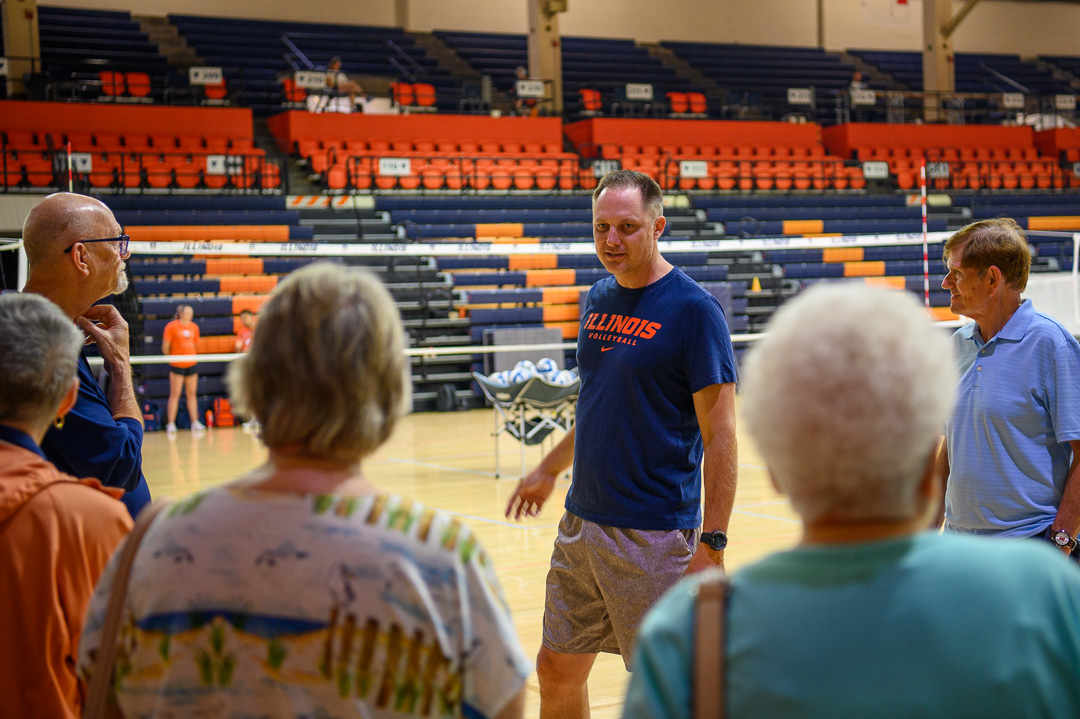
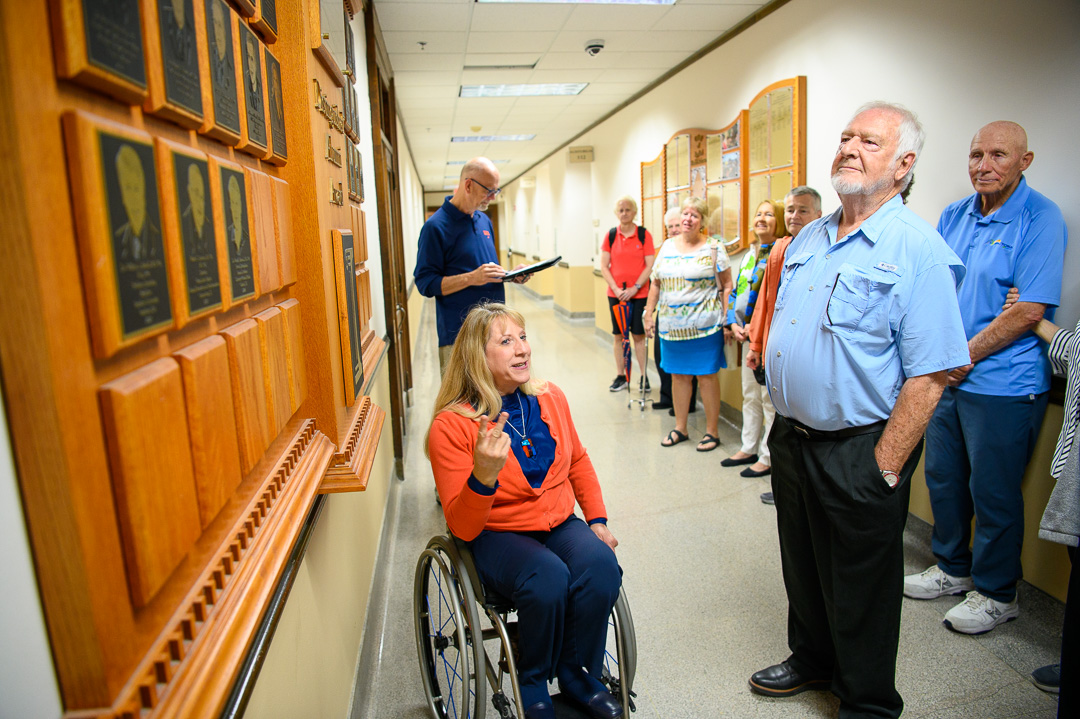
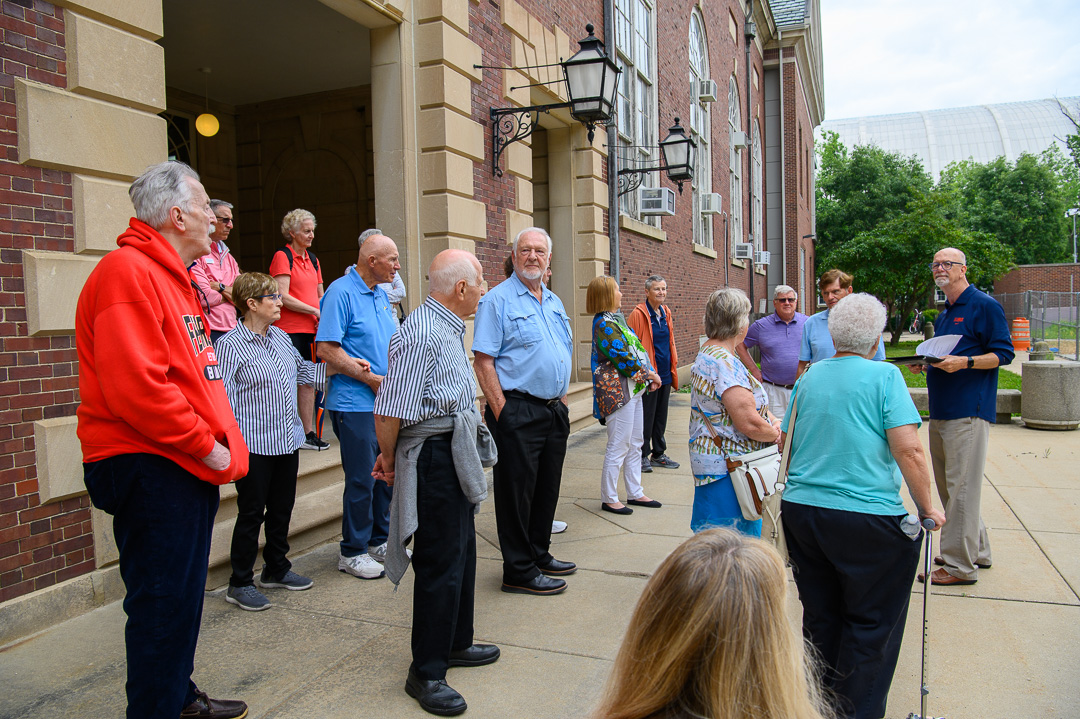
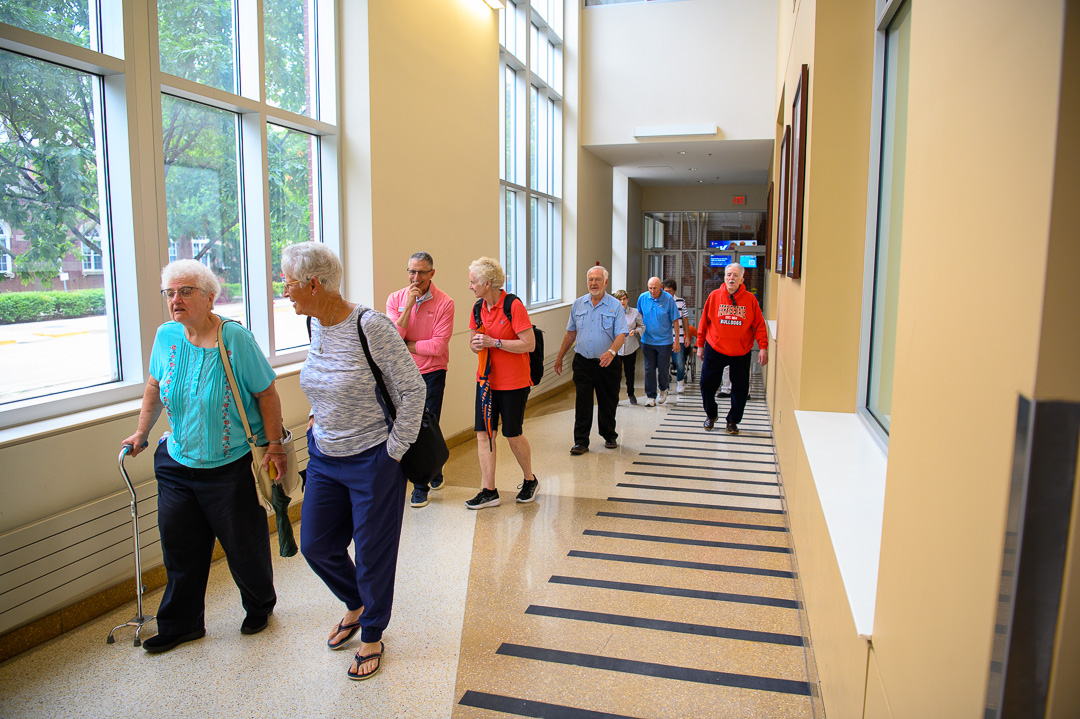
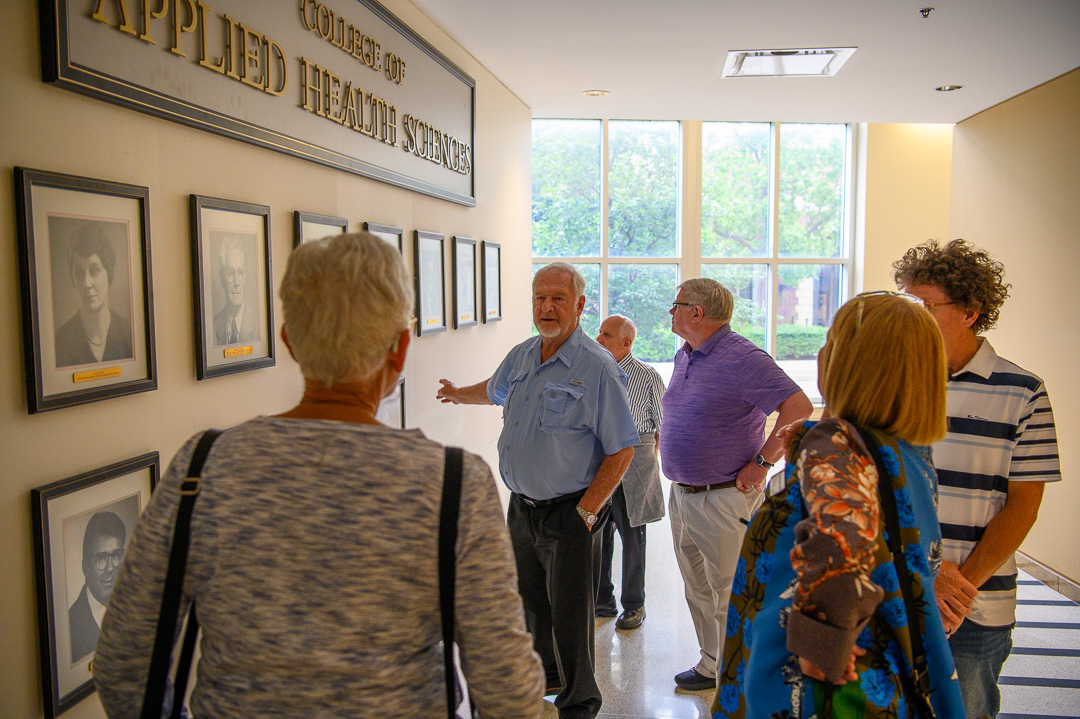
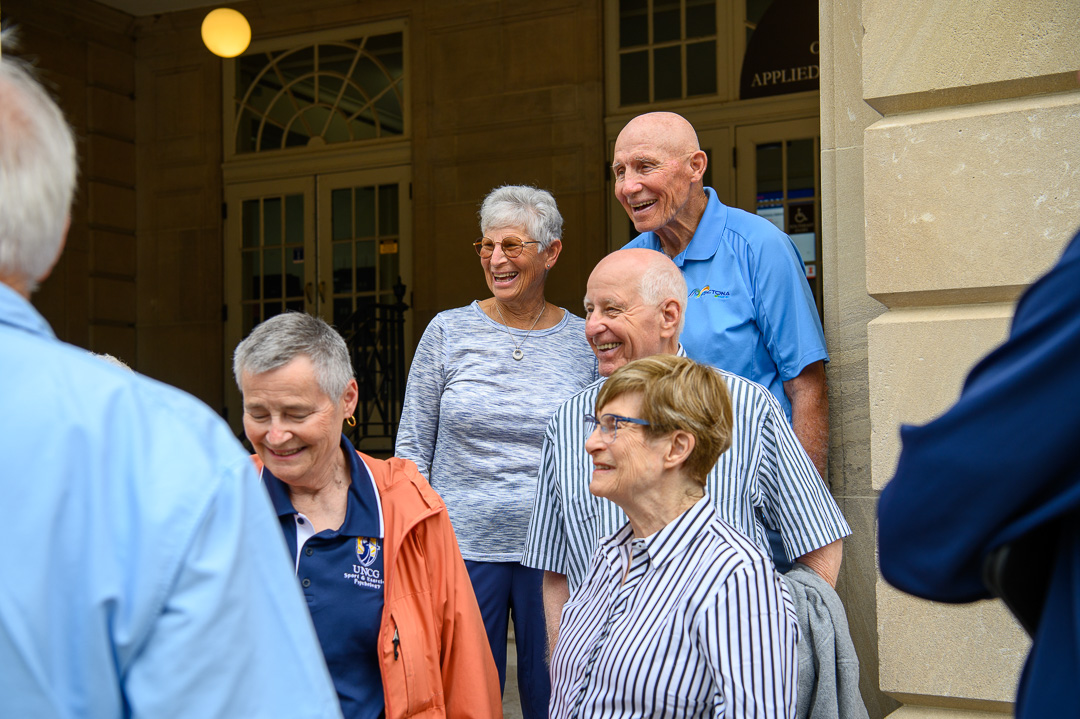
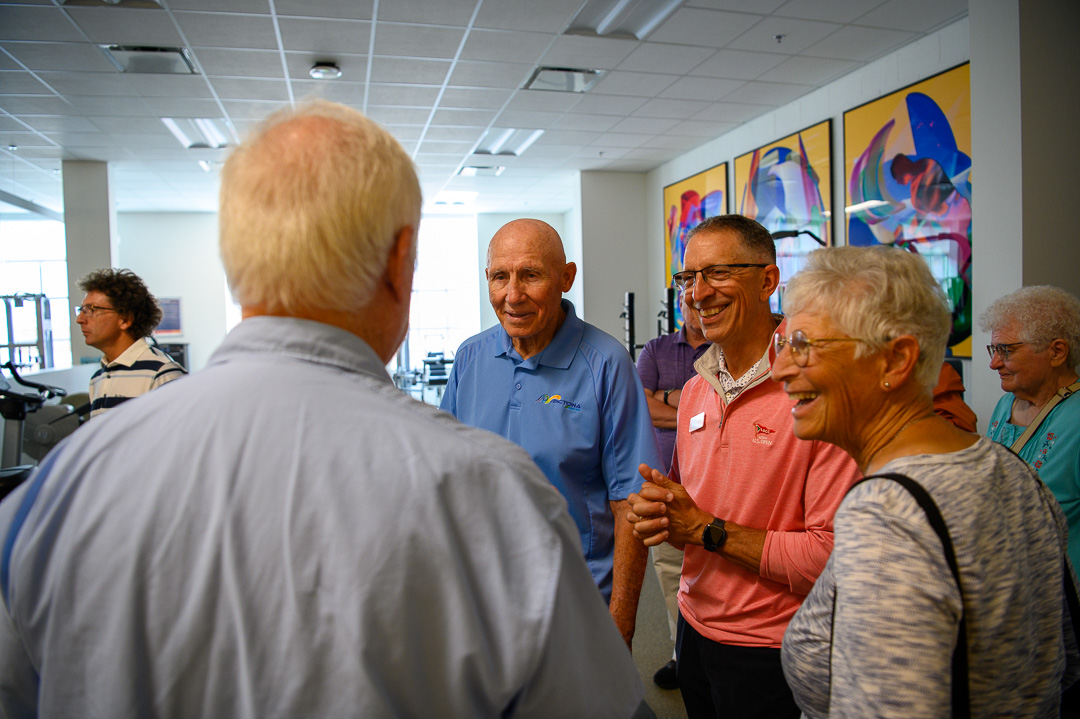
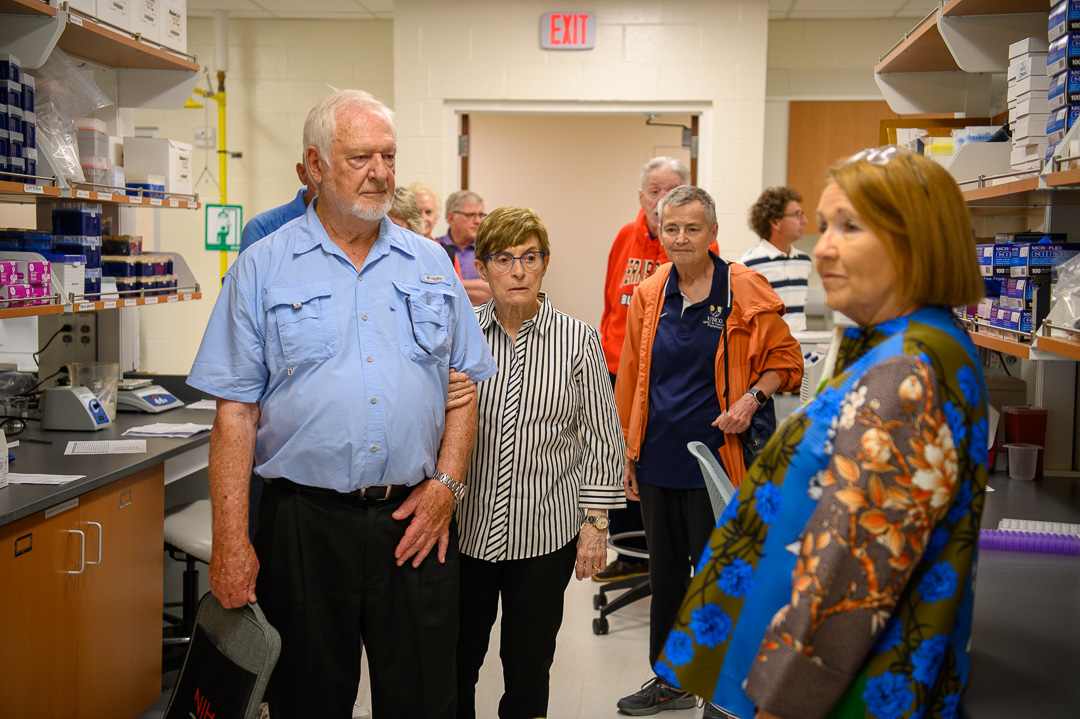
Five decades later, a group of those same students and faculty returned to campus to catch up with their former colleagues, and take a tour of their old academic home. The guest list left an indelible mark on the field of sport psychology as it stands today.

Even as Illinois’ own sport psychology program has faded, the legacy of its achievements and discoveries endure in the modern day College of Applied Health Sciences. Faculty at AHS, particularly in Health and Kinesiology, continue to study the psychological effects of exercise and physical activity at large, building on more than 100 years of tradition.

“All these former students, they’ve all gone on to distinguished careers. They’ve gone on to become presidents of national sport psychology organizations, and spoken all over the world,” Martens said. “This gathering, it’s a once in a lifetime thing.”

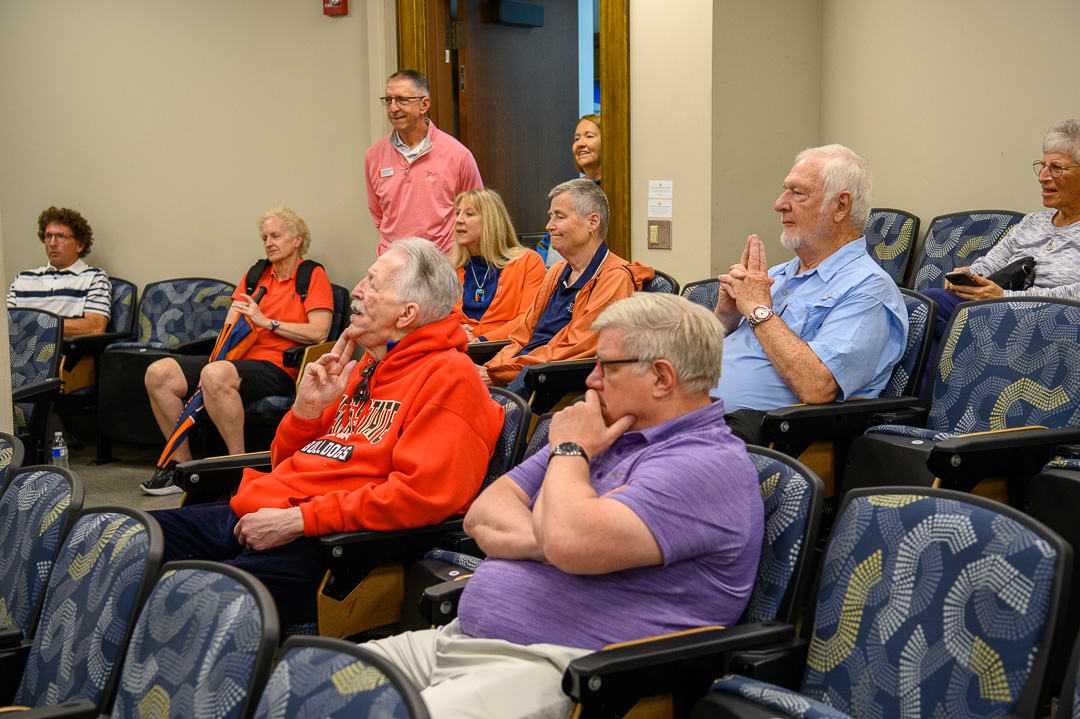
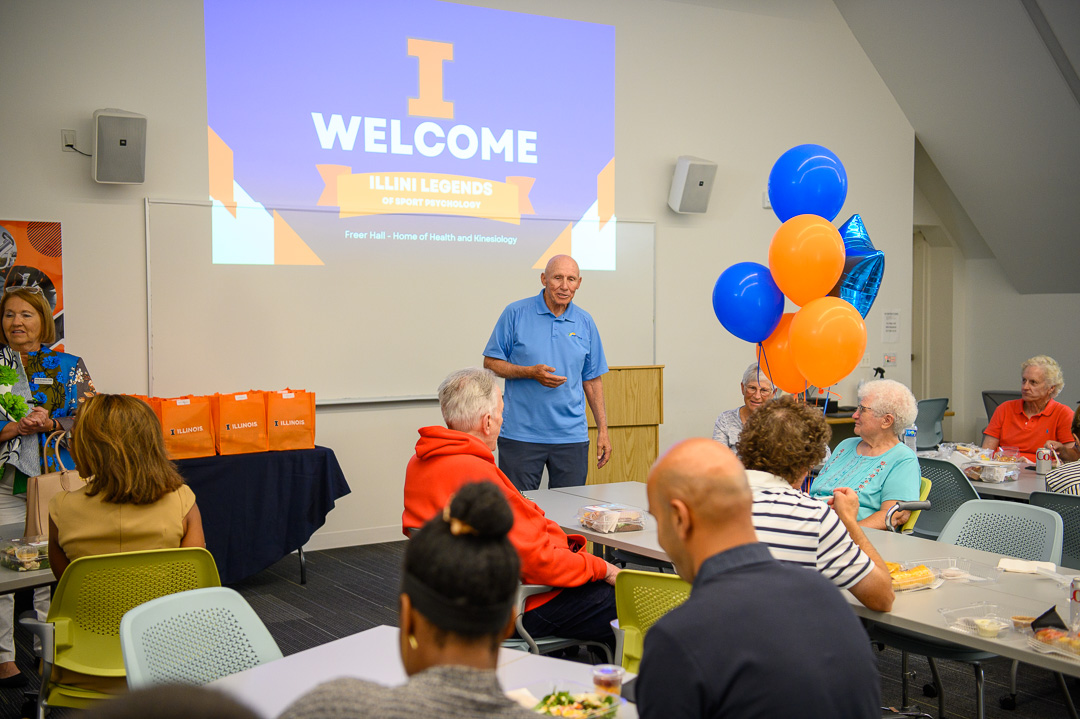
To cap off their walk down memory lane, these legends of sport psychology got to share lunch with current-day faculty and doctoral students in the Department of Health and Kinesiology.

“That was very humbling, we never expected anybody to turn out,” said Glyn Roberts, who worked as a professor of sport psychology at Illinois until 1998. “It was very rewarding that they would do that for us.”

Guests of honor
  • Rainer Martens, a professor of kinesiology at Illinois until 1984, and co-founder of Human Kinetics, leading publisher of books and journals on physical activity
  • Julie Martens, PhD in sport psychology and the first employee of Human Kinetics, who retired as executive vice president in 2009
  • Glyn Roberts, professor emeritus at the Norwegian School of Sport Sciences and former professor of sport psychology at Illinois
  • Tara Scanlan, professor emerita of psychology at UCLA, and her husband Larry Scanlan
  • Diane Gill, kinesiology professor emerita at UNC Greensboro
  • Dan Gould and Marty Ewing, professors emeriti at Michigan State. Both earned a Ph.D. at Illinois, and Gould taught here until 1991
  • Penny McCullagh, professor emerita at Cal State, East Bay
  • Damon Burton, professor of sport psychology at the University of Idaho
  • Robin Vealey, professor of kinesiology and health at the University of Miami, Ohio
  • Linda “Bump” Harrison, a publisher who got her PhD in the program in 1987
  • Marc Lochbaum, professor of kinesiology at Texas Tech who went to Illinois for undergrad and was mentored by several sport psychology greats
  • Absent were Joan Duda, professor of sport and exercise psychology at University of Birmingham, and Dan Landers, a professor of sport and exercise psychology and co-founder of the Journal of Sport Psychology, who passed away in 2023

‘We didn’t realize it, but we were pioneers’

Though Illinois experienced fertile growth of sport psychology in the 1970s, the seeds were planted by Coleman Griffith, known as the “father of sport psychology” for his pioneering work into the mental aspects of athletic performance.

Griffith founded and ran Illinois’ Athletic Research Laboratory until 1932, where he studied the links between personality and physiology on athletic success. He wrote two books—“Psychology of Coaching” and “Psychology and Athletics”— but left no proteges for his research. Griffith later became provost of the university.

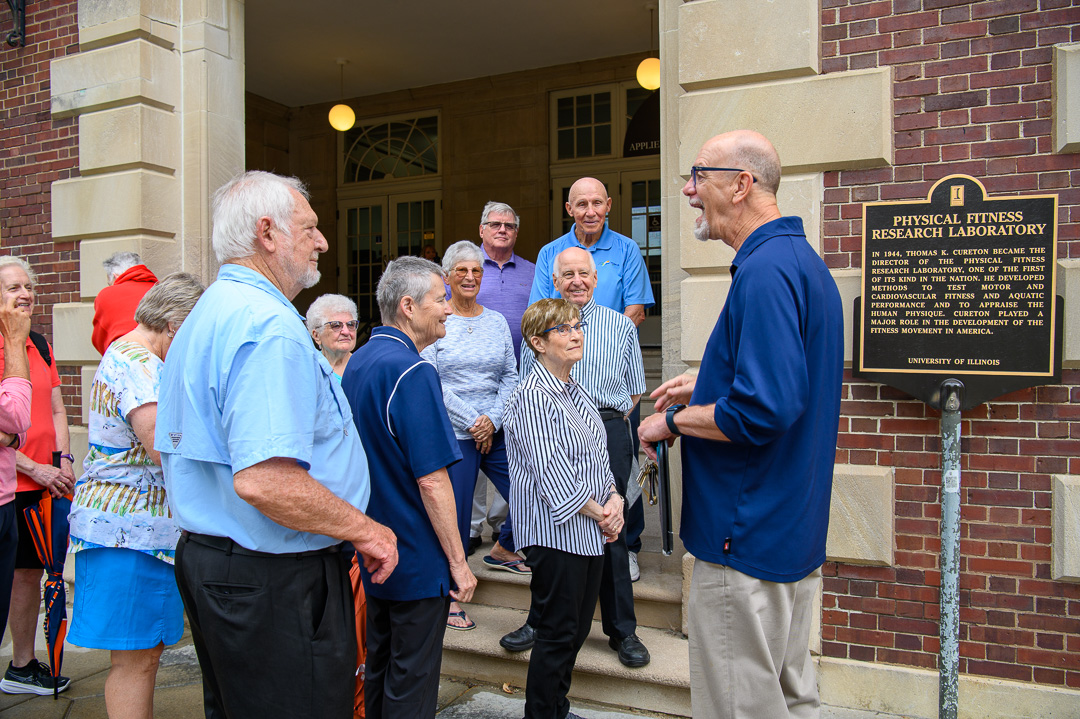
Physical fitness pioneer Thomas “TK” Cureton started his Physical Fitness Research Laboratory in 1944, occasionally collaborating with psychologist Raymond B. Cattell. The two of them examined the relationship between physical activity on personality and several of Cureton’s graduate students examined the anxiety-reducing effects of exercise. In 1951, Professor Alfred “Fritz” Hubbard revived Griffith’s research line with a new Sport Psychology Laboratory, located in a third floor office of Huff Hall, then known as Huff Gymnasium.

Hubbard specialized in motor learning, but saw latent potential in the sport psychology discipline. After a decade of research and recruitment, Hubbard had a prediction: the number of graduate students interested in sport psychology would double or triple by the end of the 1970s. His forecast of growth came true.

Still, those who joined the Illinois sport psychology program in the 1960s found their way to the field before an academic path formally existed. Some started out in coaching or physical education, and were searching for applied knowledge to use in the field.

For Rainer, his experience with intense anxiety before youth wrestling matches inspired him to understand competitive nerves and how to quell them.

After getting degrees from the then-named Department of Physical Education, Landers, Martens and Roberts all eventually joined the Children’s Research Center, a grant-funded research vehicle seeking to explain children’s behavior from multiple academic disciplines.

The recent grads worked in the center’s Motor Performance and Play Research Laboratory, where they used social psychology principles to study children’s play, and explore how their stress levels, personalities and more influenced their motor learning.

The grant-funded lab supercharged their progress.

“A lot of the stuff we did initially was stress related. How do you reduce stress? That was Rainer’s research—what he called competitive anxiety,” said Roberts, who began working at the Children’s Research Center in 1973. “Mine was motivation: how do you make people do what they ought to be doing?”

Full-time research positions to study the field were unusual, and freeing. From 1968 to 1975, Martens stayed on with the Children’s Research Center. Lifted by the university’s resources, namely its enormous library, computing power and collaborators in psychology, the lab produced leading research in sport psychology before peer institutions had caught on to the emerging discipline.

  • Julie Martens (center left) and Tara Scanlan (second from right) share a laugh in Huff Hall. Both of them obtained their doctoral degrees in sport psychology from the University of Illinois. 

The enthusiasm of Illinois sport psychologists was clearly infectious. After a couple years teaching physical education, Diane Gill attended a conference at Brockport, New York, where she got to hear both Dan Landers and Rainer Martens speak about their research at Illinois. By her first semester in Urbana-Champaign, Gill was in Martens’ class “Social Psychology and Physical Activity,” where his first doctoral student, Tara Scanlan, was teaching assistant.

“Taking that course, immediately I thought, ‘this is the area I’d like to be in,’” Gill said.

She soon worked with the pair on their competitive anxiety research, and later studied competitiveness and athletes’ “achievement orientation,” or drive to improve and accomplish goals within their sport, along with a host of other topics in the field.

“Illinois was the place to be if you wanted to be in sport psychology,” she said.

Gill is newly retired, having spent more than 30 years as a professor of kinesiology at University of North Carolina, Greensboro after obtaining her master’s and Ph.D. at Illinois.

(“My doctoral students are retiring,” said Martens, now 82. “That makes me really old.”) 

Physical activity—whether it’s high-level athletics or recess play—is all one field.

Diane Gill

Professor Emerita of Kinesiology, UNC Greensboro

Julie Martens, née Simon, was accepted into the program in 1973, coming to Illinois specifically to study with Rainer. (They would get married nearly 20 years later).

“[Tara Scanlan and Diane] had an office out at the Children’s Research Center right next to Rainer’s. As I got to know them, we used to be out there every evening. They said, “Come on out, you can study at night with us,’” Julie said. “That’s how I got involved with meeting the other students, then I got an assistantship and got where I wanted to be.”

The scientists would run experiments, hop over to the nearby cafeteria in the Adler Mental Health building for lunch and sketch out ideas for new research designs on napkins. Those early days were “invigorating,” Martens said.

By 1980, U. of I. was the premier place of study for sport psychology, alongside Penn State. They had turned the topic into a formal graduate program, and the field was continuing to blossom. In 1979, Dan Landers and Rainer co-founded the Journal of Sport Psychology, where Landers was the inaugural editor-in-chief.

As the field grew in relevance, new pathways opened up and Illinois sport psychology spread across the country. Sport psychology got a “big break” when the Olympic Training Committee allowed athletes to be advised by professionals who weren’t clinicians or psychiatrists, Roberts said—sport psychologists could now help athletes develop strategies to perform under extreme stressors.

“The U. of I. was very special. And the thing that stuck with me was we attracted such good students. We generated a reputation, and students wanted to come here from all over the world,” Roberts said. “We didn’t realize it, but we were pioneers.”

‘No better program in the world’

Between visits to their old labs and offices, the sport psychology legends visited classrooms in Huff Hall where there used to be a swimming pool, and walked on floors of Freer Hall that were once open air.

“In Freer and Huff, things have changed, which is good in many ways. You wouldn’t want the same stuff you had 50 years ago,” Gill said.

Over the weekend, the sport psychology crew took the 40-minute drive to Allerton Park in Monticello, where they hosted the nation’s first conference in sport psychology: the North American Society for Psychology of Sport and Physical Activity (NASPSPA) in 1973.

Several of them later served as executives and presidents of the society. The first conference also planted the seeds for Human Kinetics, the Champaign-based publisher of sport and exercise science founded by Martens and his first wife, Marilyn.

Though a formal sport psychology program no longer exists at Illinois, the field has expanded and evolved. The Department of Health and Kinesiology continues to study the psychological aspects and benefits of physical activity.

Rainer Martens speaks to his former Sport Psychology colleagues, and the current-day faculty of Health and Kinesiology.

“I think of it as one field. Physical activity—whether it’s high-level athletics or recess play—is all one field,” Gill said.

After walking through their old stomping grounds, the group met with current-day faculty and students of Health and Kinesiology for lunch in Freer Hall.

“This was the group that got sport psychology a foothold in this country,” said HK Professor Steve Petruzzello, who runs the college’s Exercise Psychophysiology Laboratory. “It’s wonderful to see these folks back here, to see their eyes light up as they’re walking around the halls, seeing spaces that look familiar and some that are completely unfamiliar.” 

What remains from this era of sport psychology, and even the early days of Athletic Research Laboratory, are questions on the relationship between physical activity and psychology—including personality, stress, cognitive factors and affect, or feeling states.

“Faculty currently study these kinds of topics in older adults and children, in diverse populations, and in more specialized groups like tactical athletes,” Petruzzello said. “So really, the pioneering work of Coleman Griffith at Illinois over 100 years ago has evolved and developed into what it is today.”

Before heading off, the sport psychologists dispensed career advice with some of the rising graduate students and faculty. Linda Harrison obtained her Ph.D. from the program in 1987—she opted to go into the publishing industry instead of academia, but she credits her time at Illinois for developing her abilities to think and ask questions.

“The grad students all benefited from the historic founding fathers of sport psychology and the scholars who picked up the torch to carry the program to the next level,” Harrison said. “I am sure there was no better program in the world than the one offered at U. of I.”

Editor’s note:

To reach Ethan Simmons, email ecsimmon@illinois.edu
The College of Applied Health Sciences and Illinois Division of Intercollegiate Athletics are celebrating 100 years of Huff Hall this fall.

Share on social
Related news

New study reveals nitrous oxide misuse deaths are steeply increasing


Canisters of Galaxy Gas, a nitrous oxide product often carried by smoke shops and online sellers. (Credit: Galaxy Gas)

An anesthetic most often used at the dentist or doctor’s office, nitrous oxide or “laughing gas” has been misused recreationally for decades in the form of whipped cream chargers, often called “whippets.” 

Research from a University of Illinois professor shows an alarming rise in fatalities associated with the drug in the last decade, potentially driven by efforts to mass-market products to a new generation. 

In the study, “US nitrous oxide mortality” published in JAMA Network Open and co-authored by Health and Kinesiology Assistant Professor Rachel Hoopsick and University of Mississippi Assistant Professor of Public Health Andrew Yockey, the researchers tracked the number of deaths in the United States associated with nitrous oxide misuse from 2010 to 2023, using Centers for Disease Control and Prevention data.

In that timeframe, U.S. annual deaths from nitrous oxide poisoning are up by nearly 600%, the study found. Of the 1,240 reported deaths during that period, 74% occurred in the last 7 years.

“I think we are currently at the bottom of a hill,” said Hoopsick. “Without any type of regulatory intervention, deaths and poisonings from nitrous oxide will increase at an accelerating rate and become a tremendous public health issue.” 

For reference, 23 users of nitrous oxide died from the drug in 2010, compared to 156 in the year 2023. two factors make the picture look even worse: the sale of nitrous oxide is largely unregulated, and unlike most “party drugs,” users can die after inhaling it just once. 

“This product is killing kids, it’s killing young adults,” Yockey said. “There’s no clear intention for using this product recreationally. Our message at the end of the day is: no one should be dying from nitrous oxide poisoning, at all.”

The number of annual deaths associated with nitrous oxide misuse has leapt by 600% in the last 14 years, according to a new study published in JAMA Network Open. (Source: “US nitrous oxide mortality”)

Repackaged for a new generation

Hoopsick and Yockey are frequent collaborators on research into substance use and mortality, often studying highly addictive drugs like methamphetamine and heroin.  

A woman with a blue shirt, brown hair and a black blazer smiles for a portrait inside an academic building.
Rachel Hoopsick (Provided)

Until recently, Yockey wasn’t convinced nitrous oxide misuse had become a public health issue. During a class he taught on substance abuse, he initially dismissed whippets as a fad of the past. 

“A student raised their hand and said, ‘I can buy this at a gas station,’” Yockey said. Sure enough, the student pulled up pictures of colorfully packaged canisters of nitrous oxide, with goofy brand names such as “Galaxy Gas” or “Exotic Whip.” 

These emerging brands are exploiting a regulatory loophole, the researchers said. Nitrous oxide is the whipping agent for whipped cream, so companies use that purpose as a cover to sell the product for recreational use. 

“Flavored and scented versions, there’s no legitimate culinary purpose for that,” Hoopsick said. “It’s a gas—it doesn’t flavor the whipped cream. But it gives a scent or flavor to that gas for people using it as an inhalant.” 

In the U.S., misuse of the inhalant has steadily risen since 2010. From 2023 to 2024, the number of intentional nitrous oxide exposure reports increased by 58 percent, Yockey wrote in a letter to the Journal of Medicine, Surgery and Public Health. More than 13 million people in the U.S. report using the inhalant in their lifetime.  

A separate analysis showed emergency medical visits for nitrous oxide misuse in Michigan jumped by four to five times from 2019 to 2023. 

We don’t want to wait until we’re at the top of the mountain, which is what we did with opioids.

Rachel Hoopsick

Assistant Professor of Health and Kinesiology

As of now, due to the culinary purpose of these products, the sale of nitrous oxide is still largely unregulated. Four states—Alabama, California, Michigan and Louisiana—have banned its recreational use as of July 2025. Others, such as Arizona and Connecticut, have banned the sale of the substance to minors; New York banned the sale of whipped cream chargers to anyone under 21 years of age.  

Earlier this year, the Food and Drug Administration advised consumers to avoid inhaling nitrous oxide “from any size canisters, tanks, or chargers,” naming more than a dozen brands.  

Still, in most states, users can pick from collections of brightly colored whipped cream chargers or dispensers at local smoke shops, or have canisters of nitrous delivered to their door from online shopping platforms. 

“Since last summer, it’s taken off,” Yockey said. 

A familiar playbook

The marketing “playbook” for nitrous oxide bears eerily similarity to the tobacco industry, Hoopsick said, in both appeal and accessibility. Sellers minimize health risks while dressing up the products in flashier exteriors, targeted at young people.

Tobacco companies were pressured by federal regulators to end practices that targeted young buyers, such as flavored cigarettes and cartoon brand mascots. 

A canister of “original flavor” Galaxy Gas. (Credit: Galaxy Gas)

“We know nitrous oxide has neurological effects,” Hoopsick said. “But sellers rarely, if ever, provide health warnings. The public largely views it as a harmless party drug.”

Unlike the usual “party drug,” however, nitrous oxide risks both instant brain damage and death. The brief “high” temporarily paralyzes users, and can lead to hypoxia, or deprivation of oxygen to the body. Nitrous oxide inactivates vitamin B12, which can lead to a host of other health problems, including nerve damage. 

Many deaths arise from the drug’s paralytic effect: the researchers were recently contacted by a mother whose college-age child died from drowning in a hot tub after inhaling nitrous oxide.

In the researchers’ view, the best path to stem nitrous oxide misuse is by making it harder to get, by raising the age requirements for purchase or limiting where the substance can be purchased.  

“From a public health perspective, now is a critical window of time to intervene,” Hoopsick said. “We don’t want to wait until we’re at the top of the mountain, which is what we did with opioids.”

Editor’s note:

To reach Rachel Hoopsick, email hoopsick@illinois.edu.
To reach Andrew Yockey, email rayocke1@olemiss.edu

The paper “U.S. nitrous oxide mortality” is available online.

DOI: 10.1001/jamanetworkopen.2025.22164
 

Share on social

Related news

College of Applied Health Sciences
110 Huff Hall
1206 South 4th Street
Champaign, IL 61820
(217) 333-2131