Immersive learning: RST faculty guide students out of the classroom and into the real world


Renata Endres, right, teaches RST 185: Get Your Kicks on Route 66 (Photo provided)

By JONATHAN KING

Renata Endres is taking her belief in an applied teaching approach on the road—on Route 66, to be precise.

“I believe the most effective way to bridge the gap between the classroom and industry application is to experience concepts firsthand outside the classroom,” said Endres, teaching assistant professor of Recreation, Sport and Tourism who teaches RST 185: Get Your Kicks on Route 66

That is why Endres and fellow RST faculty members design and lead innovative educational practicums that immerse students in experiential learning environments.

These courses have become very popular among students, but RST faculty continue to pioneer new trails out of the classroom to foster rich educational experiences.

One example is Endres’ new Route 66 course, co-designed with Mike Raycraft, an RST clinical associate professor. In this course, students visit sites along the historic Route 66 corridor to deepen their understanding of heritage tourism; agritourism; and recreation, sport and tourism management.  

“Whether pursuing careers in these fields or something entirely different, the range of firsthand experience illustrates how the development of technical skills we learn in the classroom must be coupled with soft skills to achieve professional success,” Endres said. 

Agrotourism is something of a specialty for Endres, who helps students apply classroom knowledge to real-world challenges, such as how fluctuating crop prices may prompt farmers to adopt agritourism to diversify revenue. She additionally takes her expertise into RST 290: Experiencing Agritourism with RST faculty members Laura Payne and Nick Pitas, as well as RST 199: Recreation, Sport and Tourism Economics in Croatia. 

“My most memorable part of the Route 66 experience was being able to travel along the mother road with friends, classmates, co-workers and some of my favorite professors in RST,” said Riley Joyce, a student in Endres’ course. “It was really beneficial to see how Route 66 has impacted both Illinois and St. Louis over the years in both tourism and agrotourism worlds.”

Assistant Professor Sharon Zou is another RST faculty member whose educational innovations are bridging the gap between the classroom and the real world. Zou co-teaches an innovative community-based learning course, Place Making and Rural Tourism in China, in tandem with Wei (Windy) Zhao from the School of Architecture and Molly Briggs from the School of Art and Design. The course is supported by the university’s Transdisciplinary Global South Community-Based Learning Program Development Grant to facilitate interdisciplinary global service learning for Illinois students. 

For this new interdisciplinary course, Zou and RST students joined architecture students and art and design students for a learning opportunity in rural China. In February 2025, students and faculty traveled to Xihu Village in Jiangxi Province, China, to co-design a locally rooted, sustainable tourism development plan for the people of Xihu who wanted support to strategically plan and develop a place-making and tourism initiative. 

For the course, students benefited from immersion in local culture. They visited an ancestral celebration during Lunar New Year, took a scenic hike on the historical Hui Merchant Route for tea trading, toured a tea factory, visited the historical village of Chengkan, listened to a talk by an architect specialized in rural tourism development, met with a village head and representative from local rural revitalization company and took a tour to see the company’s current efforts in tourism infrastructure development. 

To develop their tourism model, students met with community stakeholders to conduct asset mapping and a market analysis of the community. They asked questions such as: What do you want for your village? What are the local sources of historical and cultural pride? How can we help you preserve your cultural pride while developing a sustainable tourism plan? What infrastructure is there to support tourists? What form of economic distribution will benefit community well-being? 

That feedback will help students co-design a sustainable tourism development plan for the village. RST students gained knowledge of how rural communities can leverage tourism to achieve economic, socio-cultural and environmental sustainability. Students worked directly with local stakeholders and gained valuable skills in asset mapping, competitor analysis, market analysis, community visioning, tourist experience development and destination branding. 

Additionally, architecture students worked on design proposals that challenged common “revitalization” methods, and art and design students developed wayfinding plans and memory-making designs to include cultural, historical and phenomenological village features.

“We wanted to understand the desires of the community to help them design a sustainable tourism model that showcases the cultural pride and natural beauty of their village while also contributing to the community’s well-being,” Zou said. This project emphasizes an equitable partnership to provide firsthand, practical, interdisciplinary education for Illinois students and simultaneously facilitate a locally rooted vision that will preserve and share the village’s heritage. 

“Our RST out-of-the-classroom experience is different from your typical study abroad program,” Zou said. “We’re going to put you to work, and ideally, it will be a transformative experience that students can leverage for their professional careers and social competencies.”

Sharon Zou and RST students joined architecture students and art and design students for a learning opportunity in rural China
Sharon Zou, right, and RST students joined architecture students and art and design students for a learning opportunity in rural China (Photo provided)

When Zou isn’t teaching hands-on learning in rural China, she also works with Richard Proffer from Illinois Extension and RST students to develop a sustainable tourism plan for Elmwood, Illinois, a town that is known for being the artistic origin of the famous Illinois alma mater sculpture. Beyond these two tourism practicums, Zou studies recreation and tourism consumer insights to inform sustainable funding models for public land and parks in the U.S., with a particular focus on national parks such as Indiana Dunes National Park and the greater Yellowstone ecosystem which includes private, state and federal lands.

RST experiential learning trips go beyond academics: they teach students independence, adaptability, resilience, confidence and cultural awareness. While navigating a new environment, students will learn to coexist with diverse groups, develop strong communication skills and gain invaluable social and intercultural competencies.

“Prospective students should join one of these experiential courses to gain practical, hands-on knowledge and build valuable industry connections,” Endres said. “Networking with experts in the field provides a competitive edge in their career development. And socially, these classes provide students an opportunity for a shared bonding experience that can’t be duplicated in the classroom.”

Related news

What is the role of racial segregation and park availability in physical activity?


Mariela Fernandez and Miki Sato uncovered complex dynamics that challenge the assumption that having more parks automatically leads to increased physical activity (Stock image)

In cities across the United States, physical activity is often promoted as a cornerstone of public health, yet disparities in access and engagement persist. Despite the well-documented benefits of leisure-time physical activity, many communities remain physically inactive. This issue is particularly pronounced in racially segregated areas, where systemic inequalities shape health outcomes. 

A recent study by RST faculty members Mariela Fernandez and Miki Sato set out to explore how racial residential segregation impacts leisure-time physical activity—or LTPA—prevalence and how park availability influences this relationship. By focusing on Chicago—a city marked by stark racial divides—researchers uncovered complex dynamics that challenge the assumption that having more parks automatically leads to increased physical activity in all communities.

Fernandez said although Chicago has many parks, many older, larger ones were built downtown in a time where space wasn’t as constrained as it is today. These older, larger parks are located in neighborhoods near middle-income white populations and also serve tourists.

“(The Chicago) Park District didn’t meet the demand. In some cases, African Americans and Latinos did have access to park spaces, but they didn’t have the recreational amenities that were most appropriate for them,” said Fernandez. “Some (racial) groups might have more small children, but those parks might not have playgrounds, so those (parks) weren’t as relevant.”

The study aimed to answer some fundamental questions: 

  • Is racial residential segregation associated with LTPA prevalence?
  • How is the availability of public parks associated with LTPA prevalence?
  • Does it affect the relationship between racial residential segregation and LTPA prevalence?

Fernandez and Sato sought to determine whether increasing park availability could serve as an effective strategy for encouraging physical activity in segregated communities.

Just because the space is there doesn’t necessarily mean everybody can utilize it.

Mariela Fernandez

RST associate professor

The Role of Racial Segregation in Physical Activity

The findings of the study revealed that racial residential segregation is indeed associated with lower levels of LTPA. Specifically, Black/African American and Hispanic/Latino isolation correlated negatively with LTPA prevalence. This suggests that communities with higher concentrations of these racial groups—often shaped by historical and systemic segregation policies—experience lower levels of leisure-time physical activity.

The reasons behind this trend are multifaceted, Fernandez said. Segregated neighborhoods frequently face socioeconomic disadvantages, including higher poverty rates, reduced access to recreational facilities and increased safety concerns. Additionally, cultural and structural barriers—such as limited time for exercise due to work and family responsibilities—further contribute to disparities in physical activity levels.

But sometimes the green space doesn’t include amenities that some groups want or focus on amenities that park officials believe residents want.

Of people she surveyed, Fernandez said they did want soccer fields, but they also wanted playgrounds and restrooms. 

“When the city was working with the community, they couldn’t really get away from ‘Oh, you want soccer fields.’ There’s still a lot of stereotypes, I feel, that need to be undone.”

The Influence of Park Availability

The study also examined how park availability interacts with these racial disparities in physical activity. Unsurprisingly, greater access to public parks was generally associated with higher LTPA prevalence. Parks offer crucial spaces for exercise, community engagement and outdoor recreation, making them valuable assets for promoting public health. However, the study’s findings challenge the notion that simply increasing the number of parks in segregated communities is a one-size-fits-all solution.

“When some of these places were created, the highways went into neighborhoods of color or they went around them,” Fernandez said. “If you live between the highways, you’re not going to go outside and do physical activity because it’s unsafe to cross streets. And you also have the issue of pollution. Air pollution, sound pollution.”

Another finding from the study is the negative influence effect of park availability on the relationship between Hispanic isolation and LTPA prevalence. The findings indicate that while increasing park availability can enhance LTPA prevalence in communities, the benefits are diminished in areas with high levels of Hispanic or Latino isolation.

Implications for Public Health Policy

Fernandez and Sato’s findings hold significant implications for policymakers and urban planners seeking to promote physical activity in racially segregated communities.

Beyond Infrastructure: While increasing park availability is a positive step, it is not a standalone solution. Investments must also address safety concerns, programming and community engagement to ensure that parks are truly accessible and welcoming spaces.

Culturally Relevant Programs: To effectively encourage LTPA, public health initiatives should incorporate culturally relevant exercise programs that resonate with the target communities. 

Addressing Structural Inequities: Efforts to reduce racial residential segregation and the socioeconomic disparities that accompany it should be a long-term priority. Economic investment in historically marginalized neighborhoods can help create environments where physical activity is more feasible and appealing.

Community Involvement: Residents must have a voice in the development and implementation of public health initiatives. By incorporating local perspectives, planners can better understand and address the specific barriers to physical activity that different communities face.

“Miki and I will definitely have to do some outreach to folks in urban planning, public health officials and park officials,” Fernandez said.

The overall goal, Fernandez and Sato say, is improving physical health and health outcomes, but simply building more parks will not be enough to close the gap, the researchers say. 

“Just because the space is there doesn’t necessarily mean everybody can utilize it,” Fernandez said. 

Editor’s note:

To reach Vince Lara-Cinisomo, email vinlara@illinois.edu
 

Related news

2025 RST department head message


RST Department Head Carla Santos at the department’s 2025 awards ceremony (Photo by Bradley Leeb)

Hello RST Friends and Alumni,

Welcome to the spring 2025 edition of the RST newsletter! We are excited to share some of the latest research breakthroughs from our faculty, outstanding student achievements and the ongoing contributions of our incredible alumni.

This year, we are especially proud to showcase how our students and faculty are leading the way in shaping the future of recreation, sport and tourism. From groundbreaking research to impactful community engagement, RST is at the forefront of addressing critical issues and advancing knowledge in our field.

In this issue, you’ll find stories on how racial segregation and park availability impacts physical activity, how misinformation can alter voters’ minds on green spaces, and the growing global impact of RST initiatives. As we reflect on the past year, I’m deeply thankful for the leadership and support from both our faculty and alumni. Together, we’re bridging the gap between academia and industry to drive meaningful change in communities near and far.

Thank you for being a vital part of our journey. Here’s to a brighter, healthier and more inclusive future!


Warm regards,
Carla Santos
Department Head

Related news

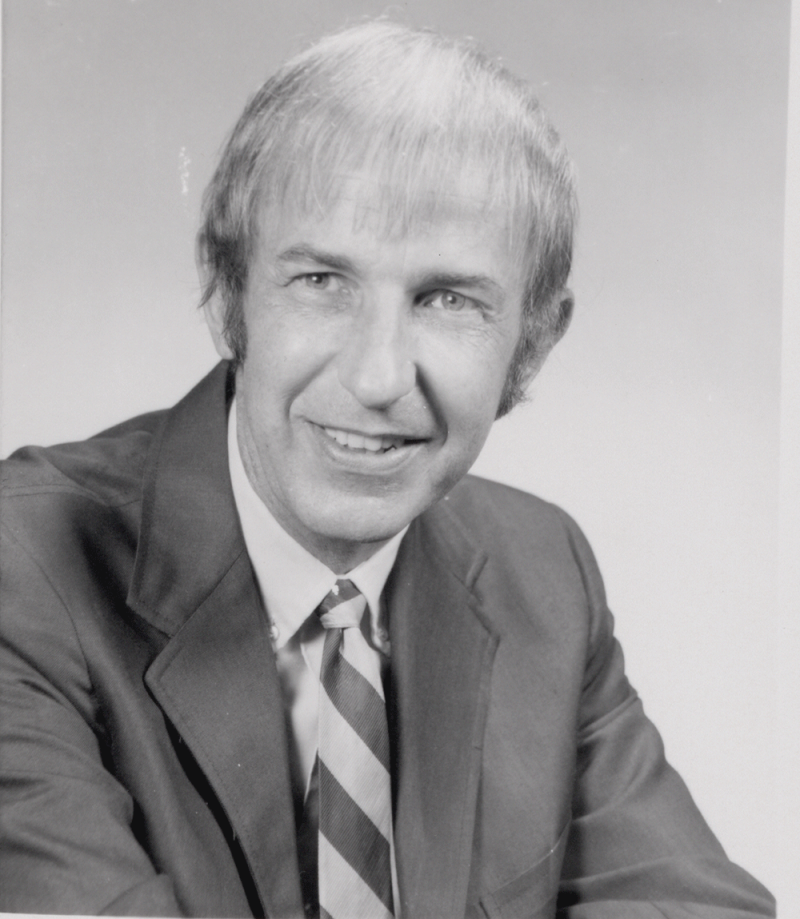
Remembering pioneering scholar Jack Kelly


Jack Kelly, a professor in the Department of Leisure Studies at Illinois for many years, died on Feb. 10, 2025, at the age of 94 (University archives)

Professor Emeritus Jack Kelly was a trailblazer in the field of Leisure Studies and was instrumental in establishing the field of Leisure Studies. Kelly anticipated many societal issues and trends in the 1970s and early 1980s that advanced knowledge of healthy aging, the study of work and leisure, socialization and leisure and family leisure. 

“We as a field owe Jack a great deal,” said retired RST faculty member Kim Shinew, who joined Kelly at the University of Illinois in 1993.  “He catapulted us forward by making our research more relevant, and he increased our visibility to others outside the field.” Dr. Kelly’s research laid the theoretical foundations of the field through seminal works such as Leisure; Sociology of Leisure; Freedom to Be: A New Sociology of Leisure; and Leisure Identities and Interactions.

Kelly was one of the first leisure scholars to recognize that research advances were not keeping pace with societal trends and issues. He pushed the field to address the sociological and psychological aspects of leisure, which offered important advancements in leisure research and contributed to the development of professional best practices. A dynamic teacher, Kelly emphasized the connections between research and professional practice. 

“I was fortunate to be a student in Dr. Kelly’s final LEIS 501 course in the early 1990s,” said RST faculty member Michael Raycraft. “He made it clear that an appreciation of leisure theory was critical for practitioners as it guided informed decisions and was the basis for effective RST programming. That was heavy stuff for a kid fresh out of business school. I am grateful to have learned from one of the best!”

Kelly’s pioneering research and dynamic teaching are stellar accomplishments in their own rite, but even more impressive since higher education was his second career. 

Kelly grew up in Chicago and studied philosophy at Monmouth College and then earned an M.A. in Theology from Yale University to pursue a career as a congregational minister. Newly married to his beloved wife Ruth, the couple moved to rural Montana where Kelly served in two parishes that were so far apart, he flew his Cessna airplane back and forth between church services. In the 1960s, he decided to change careers and earned both master’s and doctoral degrees in sociology from the University of Oregon. 

Kelly spent most of his career at Illinois as a professor in the Department of Leisure Studies and the Institute for Human Development. He was also the Director of the Gerontology and Aging Studies program. “He enjoyed mentoring young faculty and encouraging them to conduct creative and meaningful research,” Shinew said. “Over coffee on campus or dinner at his home, Jack stressed the importance of research to advance the field.”  

Faculty member Monika Stodolska remembers meeting Kelly when she joined the faculty in 1999. “He mentored me in the first course I taught at UIUC. Jack taught Theories and Concepts of Leisure for a long time, and I began teaching the course when he retired from our faculty. I still use some of the classic texts that Jack put on the reading list. His legacy lives on.” 

After retiring, Kelly remained active doing research, teaching and publishing journal articles and books. He returned to Illinois in 2001 for one semester to teach a graduate course on Sociology of Leisure and connect with faculty and students. 

Faculty member Laura Payne recalled her first meeting with Dr. Kelly when she joined the department in 2001. 

“Jack was so welcoming and tried to connect with me,” Payne said. “We got together and discussed our shared interests in trends and issues, especially about health and aging, and I learned a lot from our thought-provoking conversations.”

A prolific writer, Kelly authored 11 books, many of which were considered seminal, including the classic conceptual and theoretical texts already mentioned, and widely read books such as Leisure, Activity and Aging, Recreation Business, and Recreation Trends and Markets in the 21st Century, whom he co-authored with Dr. Rodney Warnick, a faculty member at the University of Massachusetts.  

Kelly had a wide range of leisure interests. He enjoyed the arts, tennis, singing, reading, flying and the outdoors. After he retired, he and Ruth spent time at their homes on Beaver Island, Michigan and on Jekyll Island, Georgia where they enjoyed bicycling, tennis and other outdoor pursuits. 

“Jack’s life exemplified his knowledge of the importance of leisure throughout the lifespan. He practiced what he preached,” Shinew said.  

Related news

2025 Sapora Symposium: Honoring a century of legacy at Huff Hall


Lovable McDonald’s character Grimace made a surprise appearance at the 2025 Sapora Symposium (Photo by Ethan Simmons)

The theme of the 2025 Sapora Symposium was visionary leadership, coinciding with the 100th anniversary of Huff Hall and paying tribute to the legacy of George Huff. Only one thing could potentially overshadow that, and it is purple and lovable: Grimace.

The iconic McDonald’s character—who’s ostensibly a tastebud—made his appearance during one of the final Sapora panels on March 28 at the Armory. Grimace’s appearance coincided with a panel on viral marketing. Grimace became a good luck charm for the New York Mets after throwing out the first pitch at a game in June 2024, leading to a winning streak and a purple seat dedicated to him at Citi Field. 

But beside the big, purple spectacle, this year’s symposium carried greater significance as it coincided with the Huff centennial, a cornerstone of Illini academics and a testament to the university’s rich sports heritage. The event celebrated not only a century of excellence in sports and recreation but also paid tribute to the enduring legacy of George Huff, the visionary coach and administrator who transformed athletics at Illinois and beyond.

The Sapora Symposium was created and developed by the alumni advisory board of the Department of Recreation, Sport and Tourism in honor of the Department’s founder, Dr. Allen Sapora. Sapora was a cornerstone to the education and careers of many of our alumni. In recent years, the department has hosted the likes of the Stanley Cup, Governor J.B. Pritzker, Theo Epstein, and celebrated the lives of Illini legends Lou Henson, Red Grange and Theresa Grentz.

“Sapora is one of the signature components of the RST undergraduate experience,” said Clinical Associate Professor Mike Raycraft, who created the course. “It is always exciting to recruit high profile guests and inspire students to consider classroom knowledge in the context of industry leaders and influencers.”

The spring 2025 series was presented by The Specialized Marketing Group Inc., a global sports, promotional and experiential marketing company.

“Not only is this an incredible opportunity for students to learn from and connect with some of the most influential, successful people in Recreation, Sports and Tourism, it gives those of us who are already in the industry the opportunity to speak directly to the youth that will shape the future of our business,” said TSMGI founder and CEO Jordan S. Bressler. “We are thrilled to be a part of something that allows students the unique opportunity to gain invaluable knowledge and perspective as they determine what route they may wish to take.”

This year’s symposium is particularly noteworthy as it honored George Huff, a legendary figure whose influence continues to resonate within the Illinois community. As the university’s athletic director from 1901-36, Huff played a pivotal role in shaping modern college athletics. His foresight led to the construction of Memorial Stadium and the establishment of key athletic programs that set a precedent for institutions nationwide. Under his leadership, Illinois became a powerhouse in collegiate sports and his innovations in athletic administration laid the foundation for modern sports management practices.

Huff Hall has stood as a beacon of athletic excellence for a century. Originally constructed in 1925 as the Men’s New Gym, the facility was later renamed in honor of Huff to recognize his contributions to the university’s athletic legacy. Over the decades, Huff Hall has hosted countless historic moments, from a speech by First Lady Eleanor Roosevelt during World War II to championship basketball games to landmark wrestling matches to dance marathons, embodying the spirit of competition and community that Huff championed throughout his career.

The 2025 Sapora Symposium kicked off with an evening with RST alums Dee Brown and James Augustine at the Hubbard Inn, included a weekly Zoom webinar speaker series, continued with an all-day professional development event on campus and concluded with a site visit examining opportunities and impacts related to the WNBA’s Chicago Sky, Wintrust Sports Complex at the Village of Bedford Park, and MLB’s Chicago White Sox in April. In addition, it also included a pickleball fundraising event to benefit the Cunningham Children’s Home.

Raycraft and his work on the course sparked TSMGI’s involvement.

Grimace interacting with his fans (Photo by Ethan Simmons)

“The platform that Mike has created creates so much opportunity for amazing conversations and discussions,” said Carly Eilian, vice president of public relations and communications at TSMGI, based in Deerfield, Illinois. “We love being a part of something that allows students the unique opportunity to gain invaluable knowledge and perspective as they determine what route they may wish to take.”

Eilian said the symposium gives students the opportunity to learn from some of the most influential people in the recreation, sport and tourism industries, and that it allows people in the industry a direct pipeline to the next generation.

“We hope to continue the momentum of the symposium making it a must-attend event for our industry and prospective industry members,” she said.

Beyond the academic and professional development opportunities, the symposium also served as a celebration of the Illinois spirit. Alumni, faculty and students came together to honor Huff Hall’s centennial, reflecting on its storied past and looking ahead to its future role in fostering athletic and academic excellence. As the University of Illinois celebrates the 100th anniversary of Huff Hall, the 2025 Sapora Symposium stands as a fitting tribute to a man whose impact on collegiate athletics and sports management remains unparalleled.

As a testament to that, RST has established the Huff Society Fund. Gifts to the Huff Society Fund empower students in the Recreation, Sport, and Tourism program by supporting scholarships, hands-on learning opportunities, and event costs. Your generosity helps make transformative experiences—such as guest speaker events, experiential trips, and transportation—accessible to all students. 

Donations to the Huff Society Fund will also allow the department to recognize, recruit and retain top students while preparing them to become future leaders in the field. Donors to the Huff Society Fund join a passionate community of supporters dedicated to shaping the next generation of RST professionals.

Editor’s note:

To reach Vince Lara-Cinisomo, email vinlara@illinois.edu.
 

Related news

The role of racial segregation and park availability in physical activity


Mariela Fernandez and Miki Sato uncovered complex dynamics that challenge the assumption that having more parks automatically leads to increased physical activity (Stock image)

In cities across the United States, physical activity is often promoted as a cornerstone of public health, yet disparities in access and engagement persist. Despite the well-documented benefits of leisure-time physical activity, many communities remain physically inactive. This issue is particularly pronounced in racially segregated areas, where systemic inequalities shape health outcomes. 

A recent study by RST faculty members Mariela Fernandez and Miki Sato set out to explore how racial residential segregation impacts leisure-time physical activity—or LTPA—prevalence and how park availability influences this relationship. By focusing on Chicago—a city marked by stark racial divides—researchers uncovered complex dynamics that challenge the assumption that having more parks automatically leads to increased physical activity in all communities.

Fernandez said although Chicago has many parks, many older, larger ones were built downtown in a time where space wasn’t as constrained as it is today. These older, larger parks are located in neighborhoods near middle-income white populations and also serve tourists.

“(The Chicago) Park District didn’t meet the demand. In some cases, African Americans and Latinos did have access to park spaces, but they didn’t have the recreational amenities that were most appropriate for them,” said Fernandez. “Some (racial) groups might have more small children, but those parks might not have playgrounds, so those (parks) weren’t as relevant.”

The study aimed to answer some fundamental questions: 

  • Is racial residential segregation associated with LTPA prevalence?
  • How is the availability of public parks associated with LTPA prevalence?
  • Does it affect the relationship between racial residential segregation and LTPA prevalence?

Fernandez and Sato sought to determine whether increasing park availability could serve as an effective strategy for encouraging physical activity in segregated communities.

The Role of Racial Segregation in Physical Activity

The findings of the study revealed that racial residential segregation is indeed associated with lower levels of LTPA. Specifically, Black/African American and Hispanic/Latino isolation correlated negatively with LTPA prevalence. This suggests that communities with higher concentrations of these racial groups—often shaped by historical and systemic segregation policies—experience lower levels of leisure-time physical activity.

The reasons behind this trend are multifaceted, Fernandez said. Segregated neighborhoods frequently face socioeconomic disadvantages, including higher poverty rates, reduced access to recreational facilities and increased safety concerns. Additionally, cultural and structural barriers—such as limited time for exercise due to work and family responsibilities—further contribute to disparities in physical activity levels.

But sometimes the green space doesn’t include amenities that some groups want or focus on amenities that park officials believe residents want.

Of people she surveyed, Fernandez said they did want soccer fields, but they also wanted playgrounds and restrooms. 

“When the city was working with the community, they couldn’t really get away from ‘Oh, you want soccer fields.’ There’s still a lot of stereotypes, I feel, that need to be undone.”

The Influence of Park Availability

The study also examined how park availability interacts with these racial disparities in physical activity. Unsurprisingly, greater access to public parks was generally associated with higher LTPA prevalence. Parks offer crucial spaces for exercise, community engagement and outdoor recreation, making them valuable assets for promoting public health. However, the study’s findings challenge the notion that simply increasing the number of parks in segregated communities is a one-size-fits-all solution.

“When some of these places were created, the highways went into neighborhoods of color or they went around them,” Fernandez said. “If you live between the highways, you’re not going to go outside and do physical activity because it’s unsafe to cross streets. And you also have the issue of pollution. Air pollution, sound pollution.”

Another finding from the study is the negative influence effect of park availability on the relationship between Hispanic isolation and LTPA prevalence. The findings indicate that while increasing park availability can enhance LTPA prevalence in communities, the benefits are diminished in areas with high levels of Hispanic or Latino isolation.

Implications for Public Health Policy

Fernandez and Sato’s findings hold significant implications for policymakers and urban planners seeking to promote physical activity in racially segregated communities.

Beyond Infrastructure: While increasing park availability is a positive step, it is not a standalone solution. Investments must also address safety concerns, programming and community engagement to ensure that parks are truly accessible and welcoming spaces.

Culturally Relevant Programs: To effectively encourage LTPA, public health initiatives should incorporate culturally relevant exercise programs that resonate with the target communities. 

Addressing Structural Inequities: Efforts to reduce racial residential segregation and the socioeconomic disparities that accompany it should be a long-term priority. Economic investment in historically marginalized neighborhoods can help create environments where physical activity is more feasible and appealing.

Community Involvement: Residents must have a voice in the development and implementation of public health initiatives. By incorporating local perspectives, planners can better understand and address the specific barriers to physical activity that different communities face.

“Miki and I will definitely have to do some outreach to folks in urban planning, public health officials and park officials,” Fernandez said.

The overall goal, Fernandez and Sato say, is improving physical health and health outcomes, but simply building more parks will not be enough to close the gap, the researchers say. 

“Just because the space is there doesn’t necessarily mean everybody can utilize it,” Fernandez said. 

Editor’s note:

To reach Vince Lara-Cinisomo, email vinlara@illinois.edu.
 

Related news

AHS students present diverse projects for Undergrad Research Week


Kinesiology juniors Elizabeth Martinez, center, and Aubrey Cervantes, left, present their research at the AHS Undergrad Research Expo (Photo by Ethan Simmons)

For a freshman at the College of Applied Health Sciences, Saiesha Bollapragada’s research portfolio is impressive. 

At last week’s Undergraduate Research Symposium, the I-Health major got to present the results from her first research project, “Public Health Preparedness Among UIUC Students During Extreme Heat Conditions,” where she examined students’ awareness and handling of severe heat in the spring semester. 

She completed her study with a push from Students Pursuing Applications, Research and Knowledge, or SPARK, an AHS program that jump-starts incoming undergraduate students research experiences by pairing them with professors in the college. Bollapragada was placed with Recreation, Sport, and Tourism Associate Professor Mariela Fernandez, whose experience with urban environmental injustices fit her research topic perfectly. 

“Professor Fernandez motivated me to start this project on my own,” Bollapragada said. “There’s a lot more reading involved than I thought there was, it was a lot of work preparing for the symposium, but if it’s something you’re interested in it’s a fun process.” 

Students, faculty and staff got a taste of the findings from AHS’ budding student researchers during the AHS Undergraduate Research Expo at Huff Hall on Wednesday, April 24, where a roster of undergraduates gave poster presentations on a diverse range of research topics.

Many students spearheaded their own research projects with significant support and guidance from faculty and graduate students. Others, like a group of Speech and Hearing Science students from the Intellectual DisAbilities Communication Lab led by Associate Professor Marie Moore Channell, provided updates on long-range research projects they’ve assisted with on campus. 

Three SHS seniors, Emma Mueller, Abigail Keasler and Liz Gremer, presented initial findings from their glimpse into the Speech Accessibility Project, an ongoing research endeavor looking to make voice recognition software—such as Apple’s Siri or Amazon’s Alexa—more accessible for people with different speech patterns.

Each of the students has helped recruit participants with Down syndrome or aided vocal transcriptions from the samples they’ve collected. Under the leadership of Channell, the lab hopes to collect 240,000 voice samples from 400 participants. 

“Our poster looked into the recruiting process with that population and took a look at patterns of articulation differences exhibited by individuals with Down syndrome,” said Mueller, who transcribed vocal samples for the project. 

All three of the students met in Channell’s lab, and immediately found research responsibilities once the Down syndrome portion of the project came under Channell’s purview. 

“It’s been very rewarding, very interesting and very impactful,” Keasler said. “A lot of families in meetings or over the phone say, ‘Siri doesn’t really understand what we’re trying to say,’ so this is very important and I can’t wait to see the results of it.” 

Coming to a project affiliated with SHS with “so much publicity and so much money coming in is encouraging,” said Gremer, who has helped recruit participants and set up their first meetings for collecting voice samples. 

AHS student programs, such as the first-generation focused Mannie L. Jackson Illinois Academic Enrichment and Leadership Program (I-LEAP), were well represented in the research symposium. I-LEAP juniors Elizabeth Martinez and Aubrey Cervantes, both studying kinesiology, brought results from their research collaboration on high-intensity interval training. 

Working within KCH Professor Steve Petruzzello’s Exercise Psychophysiology Lab, the pair analyzed 25 participants’ emotional responses to high-intensity exercise, compared with their scores and symptoms of several mental health qualities: namely anxiety, depression and neuroticism. 

“We were looking at exercise adherence—how can we get more people to get more active—and we were really interested in HIIT exercise, so we put it all together in one research project,” Cervantes said. 

What they found: Participants with more symptoms of depression reported more negative affect responses during the HIIT exercise, while anxiety and neuroticism didn’t show significant predictive power, they said.

“This is my first hands-on [study] that I can call my own and Aubrey’s,” said Martinez, who’s applying to physical therapy schools. “My favorite part is meeting with the participants. It’s so fun getting to know everyone, even if there’s a lot more hours behind the desk just plugging and chugging data.” 

Editor’s note:

To reach Ethan Simmons, email ecsimmon@illinois.edu.
 

Related news

Payne has big plans for revitalized ORPR


Of ORPR, Laura Payne says, ‘We want to be known as a leader in conducting applied research and outreach across recreation, sport and tourism.’ (Photo provided)

In November 2021, while Laura Payne was the interim director of the Office of Recreation and Park Resources, a group of stakeholders held a retreat to focus on the core missions of ORPR.

“We generated a lot of rich discussion and accomplished a lot in a short amount of time,” Payne said. “One of the key points to emerge from the planning meeting was that ORPR can and should play a key role in addressing emerging challenges related to community health and well-being by generating creative and innovative solutions.”

Fast-forward to 2023, and Payne—now the Joseph J. Bannon director of ORPR—said, “We want to be known as a leader in conducting applied research and outreach across recreation, sport and tourism.”

ORPR, which is affiliated with the Department of Recreation, Sport and Tourism within the College of Applied Health Sciences at Illinois, is designed to be an asset to faculty and RST, Payne said.

“We see ourselves as an applied research and outreach unit that serves the entire department,” she said. “Where it makes sense, we’d like to be a resource for faculty. We can assist with grant applications, community engagement and outreach efforts. Since we have a formal connection with Illinois Extension, we can assist with building collaborations between Extension and RST.”

Payne is a professor in RST and an Extension specialist who has directed statewide outreach and research programs. Her research has examined the relationship between leisure style and the health of older adults with chronic conditions and the role of local parks and recreation agencies in health promotion and health behavior change.

Joelle Soulard, assistant professor in RST, called Payne “a respected colleague. Her dedication and expertise have been invaluable to our field. As the leader of ORPR, Laura is committed to enhancing health and well-being through research, education and outreach programs. Her vision aligns perfectly with the university’s land grant mission.”’

Payne is focused on channeling the expertise and knowledge of RST faculty and students to impact people’s lives positively and address many of society’s health and wellness challenges.

“It is our goal to become the place RST organizations and professionals seek out for evidence-based information and research-based resources that are useful for organizations,” she said.

Payne said the core principles and mission of ORPR have not changed, but she wants to build on what was done before she was appointed to the top role.

“I view this stage of ORPR’s continued development as fine-tuning,” she said.

To that end, ORPR has refreshed its mission statement, which is to collaborate on recreation, sport and tourism initiatives to build healthy communities. The values that guide their mission include utilizing scientifically sound applied research and best practices, being responsive to community and industry needs, issues and trends and providing undergraduate and graduate students with hands-on educational experience via projects.

Soulard said Payne’s “innovative approach has been instrumental in advancing statewide outreach and research initiatives that directly benefit communities across Illinois. Her work is driving the next wave of innovation in our field, making a meaningful impact on the quality and sustainability of recreation, parks and wellness programs and services.”

RST Assistant Professor Sharon Zou said that Payne “speaks multiple languages with community leaders, RST professionals, Extension colleagues, academic faculty and students. She involves undergraduate and graduate students in ORPR projects, which have been great learning experiences for our students.”

Most importantly, Payne said, wants people to understand  how parks and recreational activities enhance lives.

“Sport and tourism initiatives can play important roles in enhancing human health and improving environmental sustainability,” she said. “Parks and recreation agencies offer places for people to be physically active, reduce stress, engage in social activities and strengthen community ties through festivals and events.”

Related news

Paralympian in pursuit of Ph.D.


Jenna Fesemyer is racing toward her next professional challenge: obtaining a Ph.D. in recreation, sport and tourism. (Photo provided)

Jenna Fesemyer’s enduring love of wheelchair racing boils down to two factors. First, like other skill-heavy sports, there is always a way to fine-tune her mechanics and improve her craft, she said.

The second reason is simpler: “I love the feeling of going fast.”

While the Ohio-born Paralympian keeps up her competitive pace, she’s also racing toward her next professional challenge: obtaining a Ph.D. in recreation, sport and tourism from the University of Illinois Urbana-Champaign.

In many ways, Fesemyaer’s approach to her academic pursuit matches her attitude on the track. She’s organized, consistent and utterly committed to both disciplines as avenues for personal growth.

“When I first met her, I worried how she’d manage both being this high-level athlete and doing a Ph.D., which is so time-consuming,” said her advisor, RST Associate Professor Toni Liechty. “But it seems like she takes the same dedication she applies to her training and her sport and she brings that to the Ph.D. She doesn’t do anything halfway.”

Fesemyer graduated from Illinois’ kinesiology program in 2019 and stayed to earn her master’s degree in education policy, organization and leadership. Initially, she wanted to be a physical therapist but now has her sights set on becoming a faculty member at a university.

She’s returned to her “intellectual home” in the College of Applied Health Sciences, entering her second year of the RST Ph.D. program. Fesemyer chose RST to focus her research on the psychosocial benefits of sport interventions for youth with physical disabilities and to build more inclusive recreation communities.

“Our faculty is really strong. I’ve enjoyed every single class that I’ve taken so far,” Fesemyer said. “When you have faculty that believes in the power of being in the classroom and passing on their legacy of their knowledge to their students, it makes a big difference.

“I’m excited to have my own classroom one day.”

Track star without a track

Tracing back, Fesemyer’s future in athletics seemed a far cry from the opportunities she had in hometown of Ravenna, Ohio, about an hour south of Cleveland.

Due to a rare congenital condition known as proximal femoral focal deficiency, she was born without a hip socket. Her high school had an old cinder track, unsuitable for wheelchair sport.

“It’s interesting how I ended up being a track athlete not having access to a track,” she said.

So, Fesemyer and her family forged a path of her own. Growing up with her two triplet siblings, she competed in basketball, volleyball and golf with the use of a prosthetic leg and even threw discus and seated shotput for school track teams.

Fesemyer attributes a lot of her competitive nature to growing up as a triplet. But sibling rivalry never stood in the way of their bonds: The trio decided to stay in the same classrooms whenever possible.

“We were always competitive, but we always acknowledged we were teammates and advocates for each other,” Fesemyer said. “Watching them take on this role of constant allies for me as a sibling with a disability, we really have grown a lot together through those different facets. I attribute a lot of who I am to those experiences.”

In 2013, the Ohio High School Athletic Association added wheelchair events to the state track meet. With some persuasion from her parents, Fesemyer began making the half-hour trip east to Newton Falls High School to practice wheelchair racing, and “quickly fell in love” with it.

As her skills grew and college drew nearer, she began investigating schools that would help to take her talent to the next level.
She reached out to University of Illinois wheelchair track coach Adam Bleakney and scheduled a visit in fall 2014. Immediately, the fit felt right—the proximity, the academic programs and the history of the school’s accessibility and wheelchair athletics.

Fesemyer’s application to Illinois was the only one she submitted.

She doesn’t do anything halfway.

Toni Liechty

RST Associate Professor about Jenna Fesemyer

“I put all my eggs in one basket. I’m very happy it worked out,” she said.

Fesemyer’s “sunny disposition” is near-constant, Bleakney said, to the point where her peers draw on her positivity to keep spirits high in tough practices.

“[Jenna has] always had an attitude of comprehensively applying her work ethic, self-discipline and drive to all areas of her life: academics, athletics and work,” Bleakney said. “She shares my philosophy as a coach: We’re training versatile student-athletes who are successful not only in athletics and academics, but in skills that will make them more employable.”

That approach has carried Fesemyer’s improvement in the sport, culminating in an appearance at the 2020 Tokyo Summer Paralympics, where she placed seventh in the women’s 5,000-meter T54 race and shattered her personal best time.

Circular moment

Fesemyer’s athletic and academic journeys crossed for a moment this January when she hosted a wheelchair track clinic in Columbus, Ohio, for middle school and high school athletes.

While helping adolescent wheelchair athletes with their skills, the clinic served a broader purpose: It set the stage for her pilot academic study, and she’ll revisit Columbus for a follow-up next January.

“It really was a full-circle moment for me, starting as an athlete in Ohio in wheelchair racing to be able to go back and serve that same community through this wheelchair track clinic,” Fesemyer said.

So far, her academic endeavors number from collaborating on a paper about inclusivity in recreation centers to working in Department of Kinesiology and Community Health Associate Professor Laura Rice’s lab on a fall prevention project for people with disabilities.

Fesemyer’s experience in kinesiology has made it easier for her to collaborate across the college, her advisor said.

“I think she’s a great representation of AHS as a whole and why our college goes together,” Liechty said. “Because she understands why lifestyle fitness is important, why it’s important for people with disabilities, and how organizations or recreation or fitness centers can facilitate that happening in a way that promotes health.

“She’s kind of the epitome of everything we do in this college.”

Not all of Fesemyer’s contributions take place at the track, classroom or lab. She recently served as a tour guide for the RST program during summer Illini Days.

Prospective students were particularly interested in her Paralympic resume—despite her best efforts to conceal it. 

“I don’t know why, but I always try to hide that part of my identity when I give tours because the identity of a student, for me, comes first,” she said. “That’s really important for me to showcase that, because my identity coming to Illinois was always to be a student first and celebrate the opportunity of being an athlete on the side.

“But it’s sports, and students get excited about sports, which is great, too.”

As year two of her four-year Ph.D. program begins, Fesemyer is continuously grateful to return to full classrooms and in-person experiences with her graduate cohort.

“Having that experience with my peers, coming in at the same time and progressing through the program at the same time has been a remarkable experience,” she said. “I believe in working in community and working with others.”

Editor’s note:

To reach Ethan Simmons, email ecsimmon@illinois.edu.
 

Related news

Master Plan: How campus investment will boost AHS master’s programs


RST interim department head Bill Stewart, left, chats with MHA director Lynne Barnes and MPH director Pedro Hallal (Photo by Ethan Simmons)

Three master’s programs in the College of Applied Health Sciences are undergoing transformations for the digital age.

After receiving a $2.035 million award from the University of Illinois Investment for Growth program, AHS faculty, administrators and industry partners will collaborate to create online versions of the Master of Public Health and Master of Health Administration degrees. Additionally, the Master of Recreation, Sport and Tourism online degree will be restructured into three specialized programs: recreation and park management, sport management and administration, and tourism and event management.

The revamped online degrees are expected to expand the accessibility of AHS programs worldwide, reaching new students from underrepresented and nontraditional backgrounds.

“Going global has been a priority of this university for years,” said Pedro Hallal, Alvin M. and Ruth L. Sandall professor in the Department of Kinesiology and Community Health and director of the MPH program. “So now going global is a priority of this program as well.”

The addition of “stackable certificates” across each discipline will attract nontraditional students looking to boost their knowledge as well as mid-career professionals seeking expertise in their chosen industry.

Each program is committed to including new voices in their online instructional material, mainly experienced professionals working in the respective fields.

“It’ll be a nice blend,” said Lynne Barnes, the longtime top Carle Foundation Hospital administrator who was hired as director of the MHA program this fall. “We’ll have professors who really understand the knowledge base of the field, and we’ll also have clinical people who are working in the field doing the teaching, just like we do for the in-person program.”

The creation of new online master’s degree formats will start with collaboration with AHS’ online learning team. The online MPH program and restructured RST online master’s degrees will begin enrolling students in fall 2025; the online MHA program will debut in fall 2026.

“We’re taking the ‘growth’ term very seriously,” said Professor Bill Stewart, interim department head for RST. “This is a long-term investment for us, not just a one-off thing.”

MPH: ‘The perfect storm’ for growth 

To populations around the globe, the COVID-19 pandemic was a clarion call to the vital importance of public health infrastructure.

The awakening clearly reached young people pondering their life paths: According to data from the Association of Schools and Programs of Public Health, applications to public health graduate degree programs increased 40 percent from 2020 to 2021.

“It’s so much easier now to choose a career related to public health,” said KCH Associate Professor Andi Schwingel, who is working alongside Hallal in developing the online coursework.

“Going global has been a priority of this university for years. So now going global is a priority of this program as well.”

Pedro Hallal

HK Professor, director of the MPH program

For the University of Illinois’ MPH program, the decision to create an online program is also a matter of maturity, Hallal said. Four years have elapsed since the program obtained accreditation from the Council on Education for Public Health.

“Some people in your neighborhood will add a security camera, and you don’t think it’s important until your house gets robbed, and then you see, ‘Oh, I needed that camera,’” Hallal said. “I think that is exactly what happened with public health.

“It was the perfect storm for our time to grow.”

The work ahead will be rigorous, with 20-plus courses awaiting development. Faculty plan to work with external partners, such as public health professionals, to create new course content. And it will be suited to the future landscape of public health, Hallal said: How might climate change and global warming transform health needs? How can we address the coexistence of infectious diseases with chronic conditions, like hypertension and diabetes?

A target for the MPH online expansion is the non-traditional student population. The MPH program will offer six certificates: epidemiology, biostatistics, public health, one health, physical activity and health and health promotion.

“It’s the time for us to reach nontraditional students, we feel ready for it,” Schwingel said. “We want to keep the rigor, the quality that we’ve been giving students in their residential program to the online space as well.”

MHA: Making health administration accessible

The MHA program at Illinois is designed to prepare students for leadership in the healthcare industry.

What the MHA program has recently observed, according to KCH Assistant Professor Mina Raj, is an influx of requests for an online equivalent, especially among mid-career healthcare administrators.

“The pandemic has made salient how important the healthcare system is, and how important it is to have administrators who can respond to public health emergencies and other unpredictable situations,” Raj said.

The overriding goal for the online degree is accessibility, Raj said: What material can be packaged into a four-week or eight-week course? The MHA online degree will offer three professional certificates: health finance, healthcare quality and health informatics.

“I think for this group of professionals it’s really about giving them the context and rationale behind why certain decisions are made as administrators or within a healthcare organization, as well as the tools to anticipate the impacts or consequences of various administrative decisions,” Raj said. “We have faculty with different expertise, different professional backgrounds, and everyone is excited to teach these courses.”

The work has already begun for Barnes, who wants to incorporate seasoned industry experts into course content. Barnes came to the university after retiring from a 45-year career at Carle Foundation Hospital.

“I hope to use real clinicians, people doing the work like at Christie Clinic, Carle and OSF Healthcare to be part of the lectures, so that the students who are online, all over the world and all over the United States experience instruction through people who are actually doing the work,” Barnes said.

RST: Degrees for specialized industries

The Department of Recreation, Sport and Tourism has been a leader in online education, debuting the first online master’s program in the discipline back in 2008.

But there wasn’t much fanfare, Stewart said. Online degrees were seen as “second-class programs” two decades ago.

“We were there at the beginning of the front to move online learning into a respectable degree process of education,” Stewart said.

Today, recreation, sport and tourism combine for an estimated $90 billion global set of industries. The pandemic resulted in a surge of public interest in leisure time and nature exploration, opening up new opportunities for professionals in the field, Stewart said.

“[RST] is about what we do in our free time to extend who we are and add value to our lives,” Stewart said. “We’ve come to embrace our needs for leisure-time activities in the last two years in ways that enhance our well-being and nurture our souls.”

The upcoming split of the current online master’s program into three tracks is a response to internal and external trends. Enrollment in the online MS in RST has plateaued in recent years, while other institutions have introduced their own online degrees in the discipline.

Online degrees were seen as “second-class programs” two decades ago, but no longer, said Bill Stewart, center. (Photo by Ethan Simmons)

Meanwhile, the demands of the industry have become more specialized over time.

“There’s still a need for the generalist degree, but because of the growth, we are finding professionals out there who need more help with the specialty,” Stewart said.

Students and mid-career professionals will be able to enroll in a new slate of RST certificates in high-demand topics, including inclusive design, agricultural tourism, sport analytics, e-sport administration, and diversity, equity and inclusion.

The department is in the process of searching for a director of the RST online program, Stewart said, while tapping into a vast network of alumni to help develop new course content.

“Our alumni value the friends and faculty they came to know as students and find various ways to give back to the department,” Stewart said. “Many of our alums are leading remarkable careers in contexts related to recreation, sport and tourism; they readily share their expertise through assistance in course development, guest lectures, creating internship opportunities for our current students, and in some cases, teaching classes for us.

“Our students come here because they care about making people feel better, their well-being, their sense of community and health. They want to give back to the community and they want to give back to the department that gave them this path in life.”

Editor’s note:

To reach Ethan Simmons, email ecsimmon@illinois.edu.
 

Related news

College of Applied Health Sciences
110 Huff Hall
1206 South 4th Street
Champaign, IL 61820
(217) 333-2131